LIFE Offerings: How Gold Juniors Raise Capital Without a Prospectus
June 27, 2026
Warrant Extensions at Lithium Juniors: What the Signal Means
June 27, 2026
The quiet bottleneck behind every lithium project
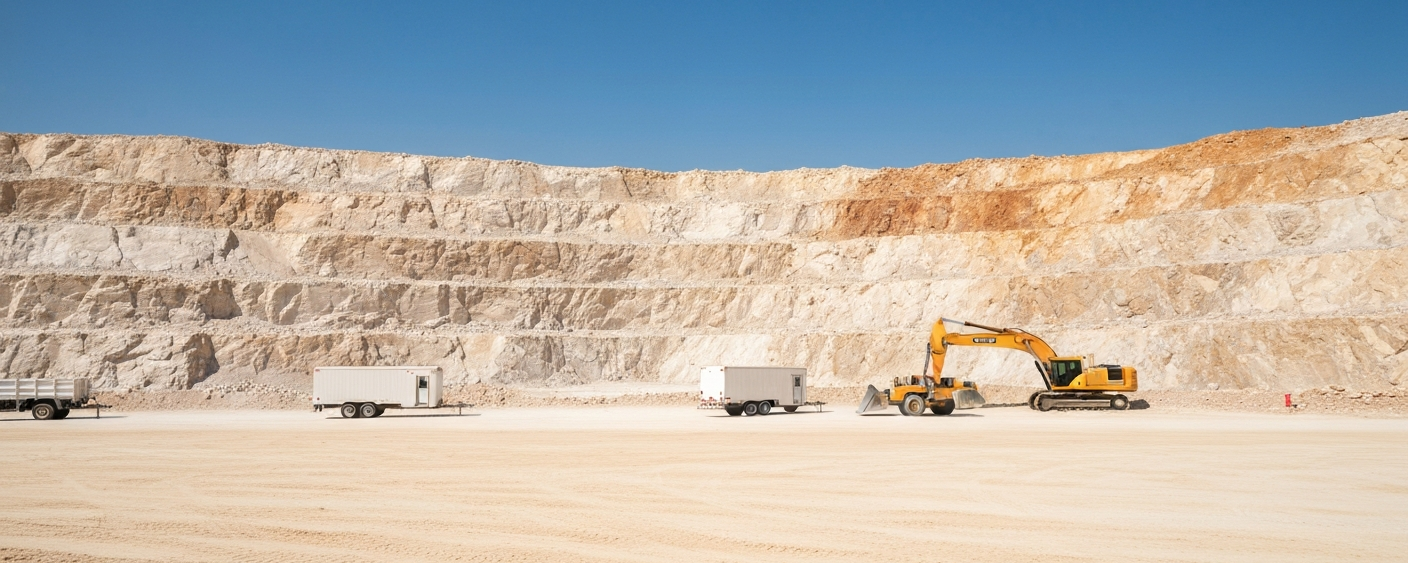
A lithium project that has cleared the feasibility study stage can look almost finished from a distance. The geology is understood, resource categories have been classified, and capital is at least partially secured. Yet in practice, years pass between the final drill hole and the first shovel in the ground. The delays are rarely underground. They are on the surface: in water permits, engineering contracts, and supply chains that move on their own schedule.
This article walks through the preparatory steps a junior mine developer must complete before construction equipment can roll in, and why this phase often tells small-cap investors more than any single drill result.
What prospectuses often gloss over
When a lithium junior announces the transition from exploration to construction, the same terms appear regularly in technical disclosures: water rights, engineering services (commonly referred to as Engineering, Procurement and Construction, or EPC), and procurement. These terms sound bureaucratic, and they are. Yet they determine a project’s schedule and budget more than most investors care to acknowledge.
Water rights: Mining is water-intensive. A lithium hard-rock mine requires water for ore processing, dust control, and ongoing operations. In many countries, including Brazil, Australia, and parts of the United States, water extraction rights must be officially permitted. This is not a formality. Water rights can be subject to conditions, divided between local agencies and agricultural or mining ministries, or stalled by competing claims. A company that has secured these rights for the construction phase has cleared a significant regulatory hurdle.
Engineering and procurement: Considerable planning work remains between a feasibility study and the start of construction. In the so-called FEED process (Front End Engineering and Design), engineers translate conceptual plans into concrete technical specifications. In parallel, suppliers for critical equipment such as mills, flotation cells, and conveyor systems are approached and contracted. For specialized lithium processing equipment, lead times regularly run between 12 and 24 months.
Site access and infrastructure: Before construction can begin, access roads must be prepared, temporary power and water connections installed, and worker camps erected. These measures consume both time and capital, yet they typically appear only as a footnote in public communications.
Why one region offers a useful comparison
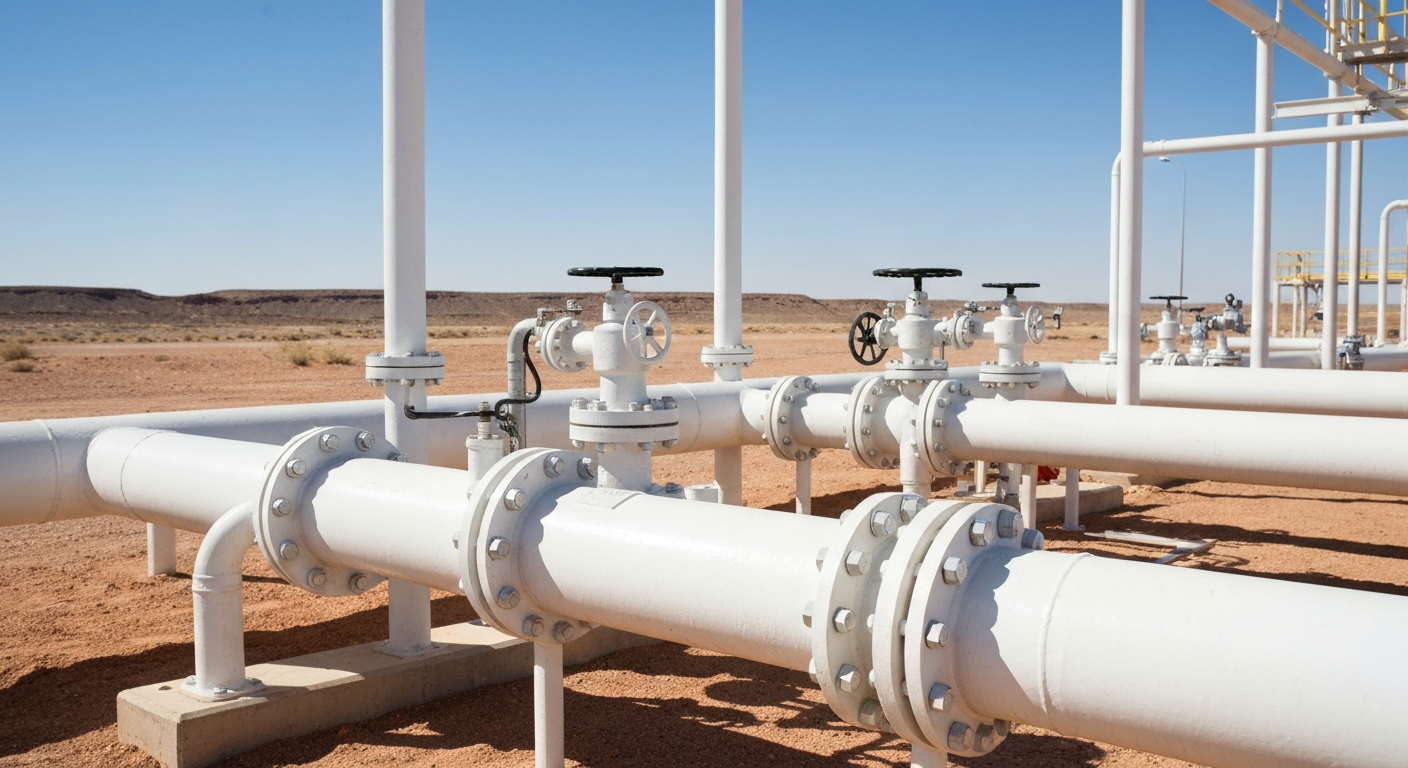
The Brazilian state of Minas Gerais has been marketed for years as a “Lithium Valley” and is one of the better-known hard-rock lithium regions outside Australia. The geology is well documented, regional infrastructure is comparatively solid, and Brazil has an established mining regulatory framework. Projects there still run into the same scheduling problems seen elsewhere, and the causes are usually mundane rather than geological.
Equipment is worth a closer look. In Western Australia, hard-rock lithium projects that were fully financed and geologically sound still slipped by 12 to 18 months because key suppliers could not meet their production schedules. When those delays pushed production into a weaker pricing environment, the financial consequences were substantial. In the commodity cycle, a missed quarter can mean a missed window.
In South America, a different pattern has emerged: projects that secure water rights early tend to be viewed by lenders as further advanced and can approach permitting processes from a stronger negotiating position. That directly affects credit terms and determines when a so-called Financial Close, the final financing decision, becomes achievable.
| Preparation step | Typical time horizon | Primary risk source |
|---|---|---|
| Water rights (construction phase) | 6–24 months | Regulatory coordination, competing claims |
| FEED / detailed engineering | 9–18 months | Engineering capacity, scope changes |
| Major equipment procurement | 12–24 months | Supply chain constraints, price volatility |
| Site infrastructure | 3–9 months | Access permits, weather conditions |
What this phase means for valuing junior miners
For investors in small-cap mine developers, the construction preparation phase rarely generates headlines, unlike drill results or resource announcements. But it reveals whether a company can actually deliver on an operational level, and that matters more the closer a project gets to production.
Secured water rights signal that a company is actively investing in the operational side of the project rather than solely in exploration. Awarded engineering contracts show whether the company has access to qualified EPC partners. During periods of high mining activity, when many projects want to build simultaneously, engineering capacity becomes genuinely scarce, and those who contracted early don’t wait. Procurement progress separately gives clues about cost risk: equipment prices depend on steel, energy, and global supply chains. Long-term supplier contracts can stabilize a project budget, but under unfavorable hedging conditions they can equally create pressure.
So the relevant question is not just “How large is the resource?” but also “How far along is the company on the path to production?”
Construction preparation as a practical check on management
The transition from exploration to construction is not a single moment. It is a process made up of dozens of parallel tasks, many of which have nothing to do with geology. Water rights, engineering contracts, and supplier commitments don’t sort themselves out. They require active management, regulatory relationships, and capital allocation decisions made well before anyone breaks ground.
This phase produces no discoveries, which is why it attracts little attention. But a junior company that works through these regulatory, logistical, and technical steps in an orderly way leaves a different track record than one that does not. That gap tends to show up first in project timelines and cost outcomes, long before it appears in any headline number.
Key terms for the construction preparation phase
- EPC (Engineering, Procurement and Construction)
- An umbrella term for the integrated process of detailed engineering, procurement, and construction. EPC contracts are frequently awarded to specialized engineering firms that assume overall responsibility for all three phases.
- FEED (Front End Engineering and Design)
- Detailed engineering planning that follows a feasibility study and forms the basis for binding construction contracts and cost estimates. FEED costs can run into several million dollars.
- Financial Close
- The point at which all financing agreements are signed and capital for construction can be drawn down. Regarded as the official starting gun for the construction phase.
- Measured / Indicated / Inferred Resources
- Geological resource categories under international standards (e.g., NI 43-101 in Canada). Measured is the most well-supported, Inferred the most uncertain. None of these categories is equivalent to bankable Reserves.
- Probable / Proven Reserves
- Mineral reserves classified as economically viable and technically feasible for extraction. Only Reserves form the basis for project financing by lenders.
- Water Right (Concessão de Uso da Água)
- In Brazil and many other mining countries, extracting water from public watercourses requires an official permit. The water right for the construction phase typically differs from the one required for subsequent operations.
- Lead Time
- The time between placing an order and receiving a piece of equipment. For specialized mineral processing equipment, mills and flotation cells in particular, lead times can reach 12–24 months, which can define the critical path of an entire project.
⚠️ Important notice: This article is for informational and educational purposes only. It does not constitute investment advice, a recommendation, or a solicitation to buy or sell any security. Investments in small-cap exploration and mining companies carry a high risk, including the potential total loss of capital. Before making any investment decision, consult a registered financial advisor and conduct your own analysis. Boersen Post Team is not responsible for decisions taken based on the content published here.