Three Metals, One Project: Polymetallic Strategy in Junior Exploration
July 19, 2026
Oversubscribed Placements: What Dilution Means for Gold Juniors
July 19, 2026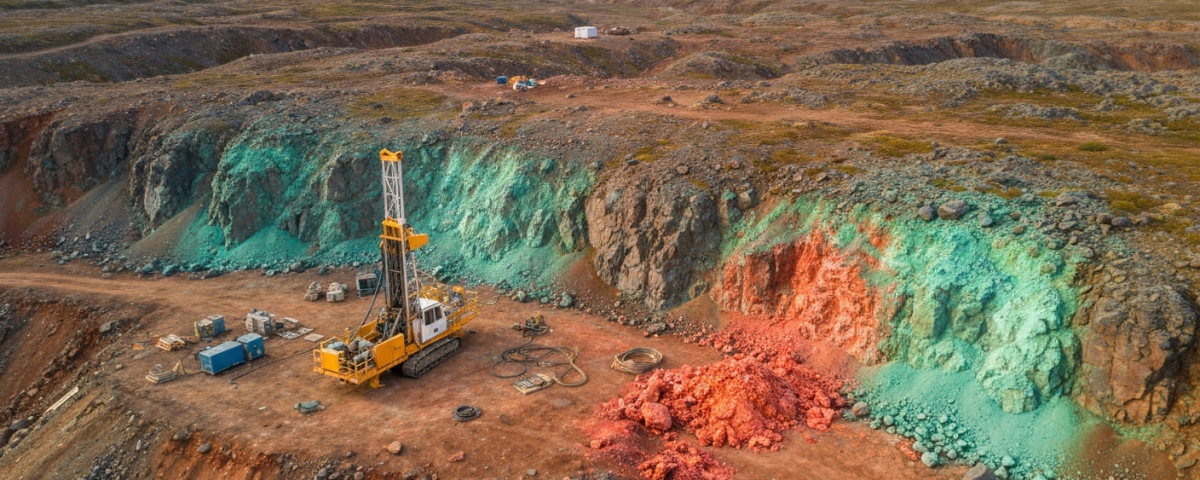
When institutional investors come in early: what the signal is worth
Capital is scarce in the junior commodities sector. Exploration projects in remote regions — Canada’s North being the obvious example — burn through money before a single tonne of ore is ever extracted. So it does attract attention when an institutional investor focused exclusively on commodity markets co-finances a private placement alongside a small explorer. That pattern is playing out right now in the copper space: a Yukon-based explorer is raising up to three million Canadian dollars from a resource fund to finance drilling on a polymetallic massive sulphide project. Beyond copper and gold, the deposit also carries silver, lead, zinc, and the technology metal germanium.
What lies behind this financing structure, and why does the participation of a specialized institutional investor matter to retail investors beyond the headline number?
How private placements work, and why the investor type matters
A private placement is a capital raise in which new shares or units, often paired with warrants, are issued directly to selected investors outside the public markets. For junior explorers, it is the preferred financing route because it can be completed quickly without a lengthy regulatory approval process.
The meaningful difference from a standard raise is who the company is choosing to take money from. A specialized institutional resource investor will typically have run its own due diligence before committing: geologists consulted, technical reports read, possibly a site visit. That process is qualitatively different from a retail investor reading a press release and making a same-day decision.
For the market, there is a signaling effect: other investors read the entry of a known resource fund as a sign of geological confidence. That can move trading volume and share prices even when the project is still nowhere near a feasibility study.
Yukon as exploration territory: high costs, real potential
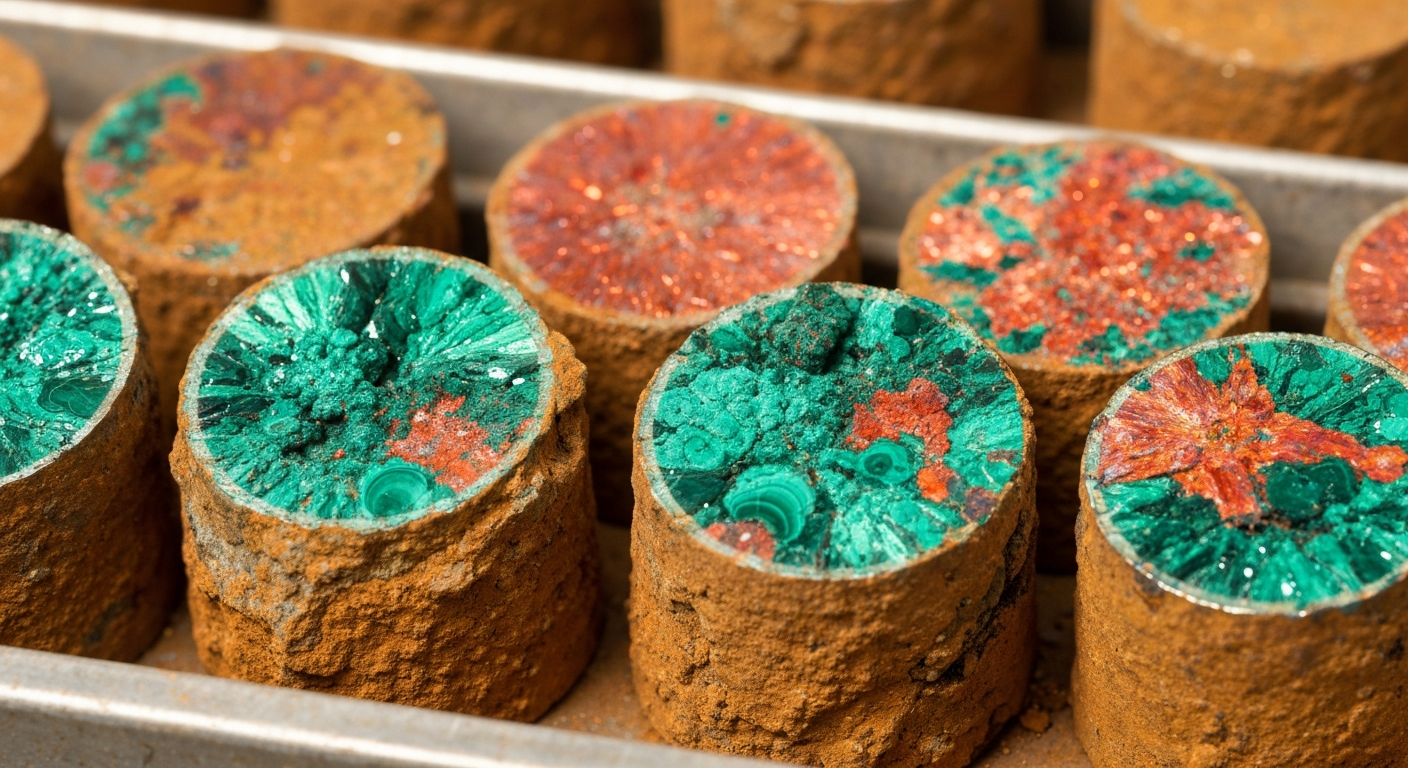
Yukon is one of Canada’s most active exploration belts. The geology partly explains this: the territory hosts significant polymetallic ore types, including massive sulphide deposits that can carry several economically relevant metals at once. A single project might yield copper, silver, lead, zinc, and trace elements such as germanium.
Germanium is worth examining more closely. It is classified as a critical raw material because global production is heavily concentrated and the metal has no easy substitutes in semiconductor manufacturing and infrared optics. A polymetallic system that carries germanium as a by-product gets priced differently in a market shaped by supply chain pressure than a straight copper project does.
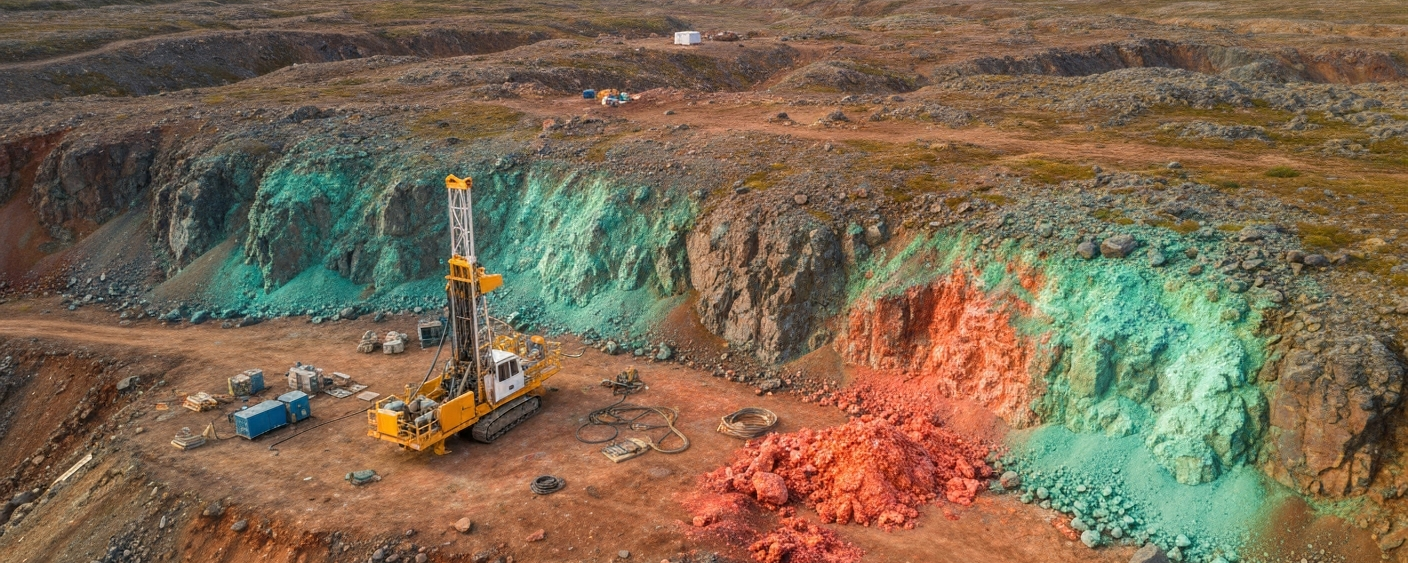
The logistical realities in Yukon are real, though. Remote claims require helicopter transport, temporary camps, and drilling seasons climatically limited to a few summer months. That pushes the cost per drill meter well above what you see in more accessible jurisdictions. Three million Canadian dollars, under those conditions, covers anywhere from a few dozen to a few hundred meters of drilling, depending on depth and target.
What polymetallic massive sulphide deposits mean for project classification
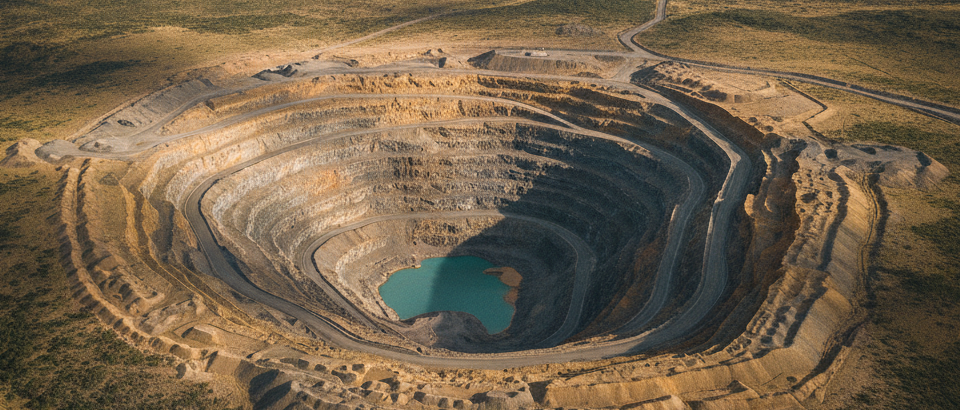
A massive sulphide deposit consists predominantly of sulphidic minerals and is characterized by relatively compact, high-grade ore bodies. Unlike broad, low-grade porphyry copper systems, massive sulphide occurrences tend to be smaller but considerably more metal-rich per tonne.
For project evaluation under the Canadian standard NI 43-101, one distinction matters above all others: drill results are sample data and geological interpretation, nothing more. Only once sufficient data density exists and a qualified person has prepared a resource estimate can categories such as Inferred Resource, Indicated Resource, or Measured Resource be formally reported. These differ fundamentally from Reserves, which require demonstrated economic extractability. At the early stage of a freshly financed drilling program, none of these designations typically exists yet.
| Term pair | What it means | Relevance by project stage |
|---|---|---|
| Inferred Resource | Resource with low geological confidence | Early exploration stages |
| Indicated / Measured Resource | Resource with higher data density and confidence | Advanced exploration |
| Proven / Probable Reserve | Economically extractable reserve (post-feasibility study) | Development or production phase |
A drilling program that has just been financed sits at the transition from geological hypothesis to first data. Investors reading press releases should assess what stage a project is actually at, and whether reported results come from a completed technical report or an ongoing campaign.
What institutional capital does inside the junior sector
When a specialized resource fund takes a position in a private placement, it also changes the capital structure. New shares are issued and existing shareholders are diluted. Warrants, which give holders the right to buy additional shares at a set price, can extend that dilution further if the share price rises.
An institutional investor that has done its due diligence will watch project progress closely, which puts a degree of pressure on management. Retail investors benefit from this indirectly, even if they cannot participate in the financing round: they trade in a liquid market while institutional shares sit in a lock-up period.
When a known fund takes a stake, that external confidence becomes price-forming even though the underlying substance is still in development. In commodities, drill depth, rock type, and metal grades will determine whether the hypothesis holds. Institutional capital gets the project to that data faster. It cannot replace the data itself.
The questions worth asking about this kind of transaction
The meaningful questions here are project-specific. What due diligence has the institutional investor actually carried out, and is any of it documented publicly? What do published technical reports say about the geology and mineralization? Which resource categories, if any, have been formally defined?
Yukon offers a different ratio of geological potential to operational difficulty than more accessible jurisdictions — neither straightforwardly better nor worse, just different in ways that matter for budgeting. A polymetallic system with a germanium component may become relevant to an investor depending on where supply chain policy and demand trends go. A single drilling program will either support or weaken that thesis. The answer will be in the core data.
- Private placement
- Direct issuance of new shares to selected investors without a public offering; in Canada often structured as a non-brokered placement, meaning without an underwriting bank.
- Warrant
- The right to purchase a share at a predetermined price within a specified period; a common element in junior financings as an incentive for investors.
- Massive sulphide deposit
- A high-grade, compact ore deposit consisting predominantly of sulphidic minerals; can carry multiple metals simultaneously.
- Due diligence
- Systematic examination of an investment target for geological, legal, and financial substance; a prerequisite for institutional participation.
- Inferred Resource
- Mineral resource category under NI 43-101 with the lowest data density and geological confidence; not a synonym for a reserve.
- Lock-up
- Hold period during which newly issued shares from a private placement may not be sold on the open market.
- Germanium
- A rare technology metal classified as a critical raw material; used in semiconductors and infrared optics; frequently occurs as a by-product in polymetallic sulphide systems.
- NI 43-101
- Canadian regulatory standard for the disclosure of mineral resources and reserves; strictly distinguishes between resource categories (Inferred, Indicated, Measured) and reserves (Proven, Probable).
⚠️ Important notice: This article is for informational and educational purposes only. It does not constitute investment advice, a recommendation, or a solicitation to buy or sell any security. Investments in small-cap exploration and mining companies carry a high risk, including the potential total loss of capital. Before making any investment decision, consult a registered financial advisor and conduct your own analysis. Boersen Post Team is not responsible for decisions taken based on the content published here.