High-Grade Silver Hits: How By-Products Secure Supply Chains
June 16, 2026
Drill Permit as Supply Chain Signal: Gallium in the West
June 16, 2026
When technology becomes a capital markets argument
In commodity junior mining, certain milestones sound technical on the surface but carry real financial weight. The commissioning of a demonstration plant is one of them. For a lithium brine project, this step is proof that a concept works under actual field conditions, not just in a controlled lab setting.
Alberta has become a serious lithium province over the past several years. Deep brine deposits beneath the sedimentary basin hold dissolved lithium ions that can be concentrated and processed through Direct Lithium Extraction (DLE). The technology is promising but capital-intensive, which is why staged demonstrations of its viability matter so much to investors and potential offtake partners.
From lab value to field proof: what technically separates brine projects
Lithium projects fall into two broad types: hard-rock projects, where the mineral is physically mined and crushed, and brine projects, where lithium-bearing solution is drawn from deep geological formations and processed chemically. Both carry their own risk profiles, but for brine projects the move from laboratory to commercial scale is especially delicate.
In a laboratory, DLE can be run under controlled conditions where temperature and pressure are precisely set and brine concentration doesn’t change unless you want it to. A real brine formation behaves differently. Reservoir permeability, production rates, how lithium concentration shifts over time, and how the extraction material interacts with the actual ions in the brine all have to be proven in the field.
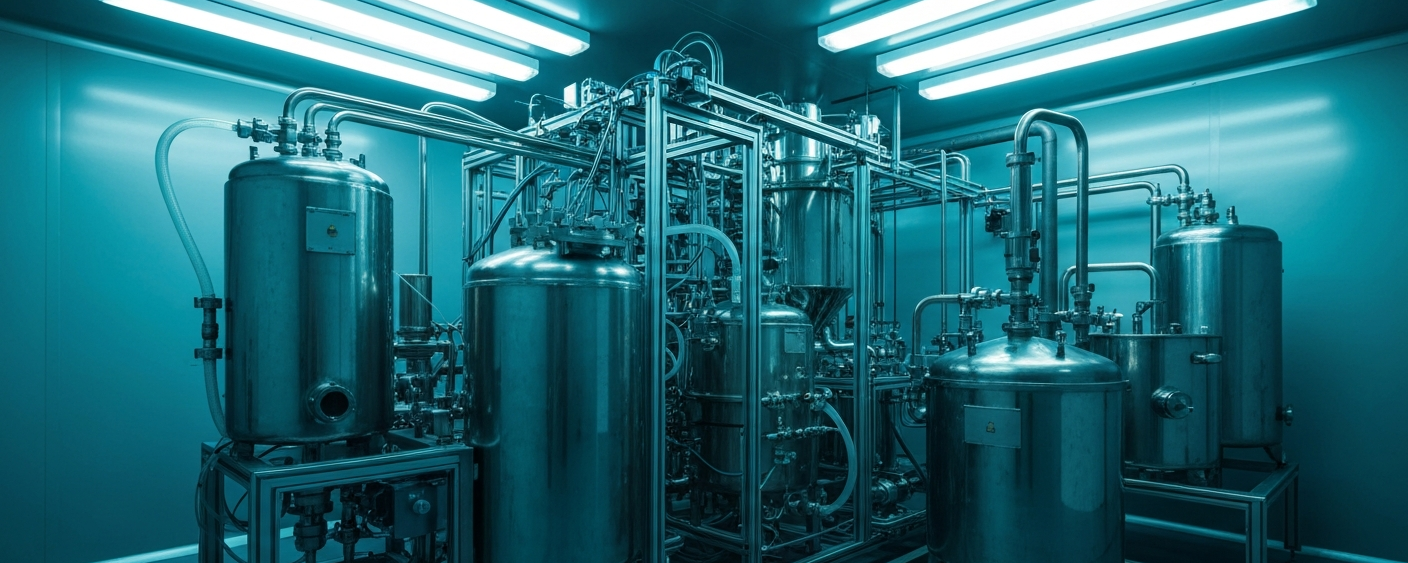
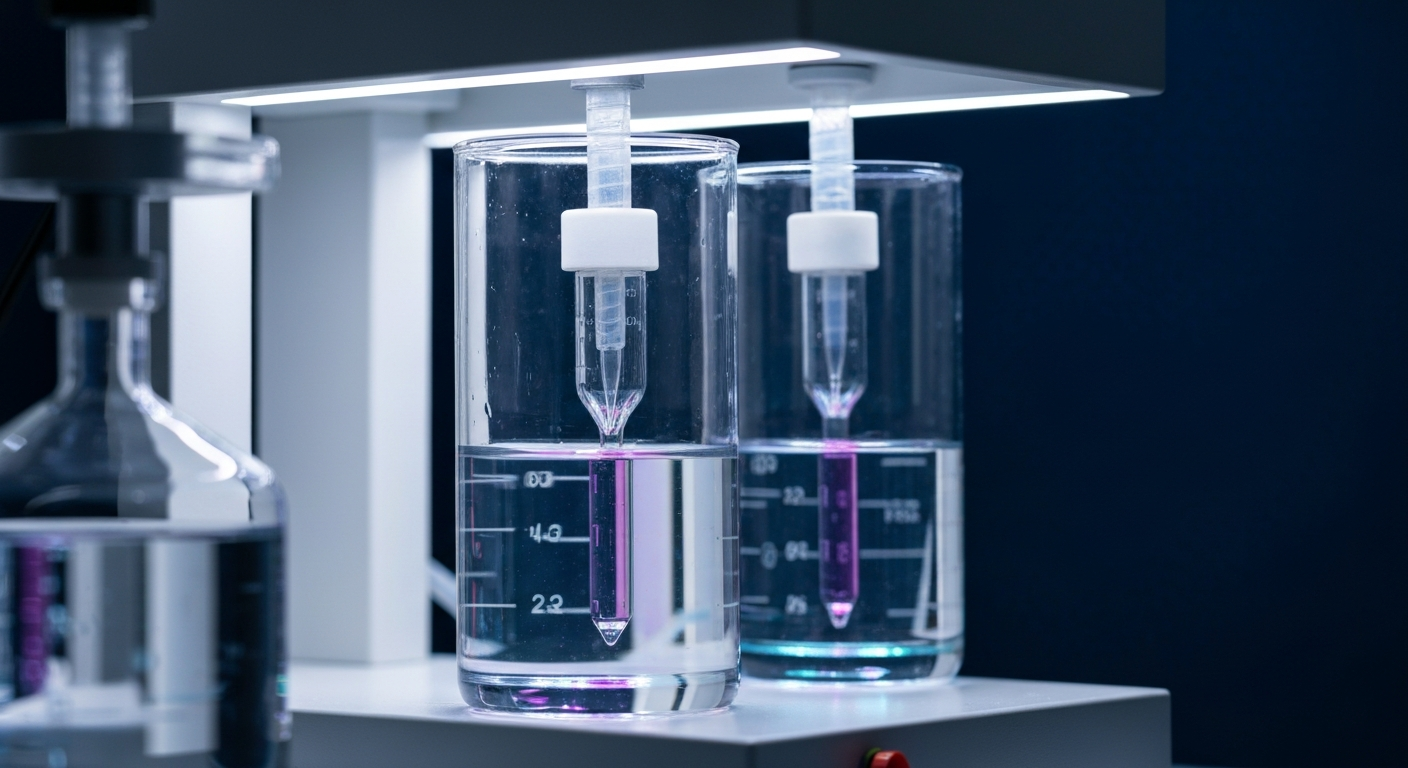
A demonstration plant fills that gap. It operates at small scale under genuine geological conditions and generates the data that feeds into the Final Engineering Design. Without that data, no civil engineer, offtake partner, or project finance bank can produce a reliable cost estimate.
Why phasing is more than project management
Many lithium juniors structure their demonstration programs across multiple phases. Each phase eliminates a defined slice of technical risk and gives the company better data to bring into conversations with investors, partners, and regulators — which is ultimately what keeps the next funding round within reach.
A first phase typically focuses on the reservoir production test: can the brine formation be accessed at sufficient production rates, and does the lithium concentration match the geological models? Only after those questions are answered does the second phase begin, showing that the produced brine can actually be treated with the chosen DLE process.
The market reads this sequence directly. Each completed phase answers what skeptical fund managers most want to know: does this actually work in the ground? Nothing is guaranteed, but a program that keeps advancing has at least not been stopped by something fatal.
| Project phase | Typical activity | Capital markets signal |
|---|---|---|
| Exploration / MRE | Drilling, resource estimate (Inferred) | Attention, speculative interest |
| PEA / Scoping | Initial economic assessment | Project definition, valuation framework |
| Demonstration plant | Field proof of technology under real conditions | Technical risk reduction, offtake discussions |
| PFS / FS | Feasibility studies, reserve classification | Finance-readiness, strategic investors |
| Construction decision (FID) | Final investment decision | Billion-dollar capital raises, project financing |
What offtake partners and project financiers want to see
Junior miners need offtake agreements — long-term purchase contracts for the lithium they will produce — to secure project financing. But a battery manufacturer asked to sign such a contract wants technical proof, and no laboratory report can provide that.
A demonstration plant produces real lithium product from actual brine. That product can be analyzed for purity, composition, and suitability for battery manufacturing. For a potential buyer, this is the difference between a promise and a proof.
A successfully operated demonstration plant also tells project financiers — typically banks or institutional lenders — that the project has cleared its most difficult technical hurdle. Projects in the range of $500 million to several billion dollars are not financed on laboratory reports. They require field data showing that the reservoir delivers and the technology holds up under real conditions.
What investors can take away from the demonstration principle
For those newer to junior mining, it is worth understanding that milestones resolve different problems. Their weight depends on where the real uncertainty in a project sits.
In hard-rock projects, drilling results tend to be the most important early data points because they define the resource base. In brine projects, the resource is often established relatively early. The harder question is technical: can the lithium actually be extracted at scale? A successful demonstration run can shift the market’s view of a brine junior more than new drilling data would, precisely because it addresses the risk that actually matters at that stage.
Key terms for getting started
- Direct Lithium Extraction (DLE)
- A family of technologies for the selective extraction of lithium ions directly from brine, without full evaporation. Promises higher recovery rates and lower water consumption compared to conventional evaporation pond methods.
- Demonstration plant (demo facility)
- A small-scale facility that proves the technical feasibility of an extraction process under real field conditions. Represents an intermediate step before commercial-scale operations.
- Offtake agreement
- A long-term purchase contract in which a buyer (e.g., a battery manufacturer) commits to purchasing a defined quantity of the produced commodity under agreed terms. A key prerequisite for project financing.
- Final Engineering Design (FED)
- The concluding technical planning phase before a construction decision. Requires reliable field data, including data from demonstration plants, to size production facilities, process technology, and infrastructure.
- Project financing
- A debt structure in which a project is secured against its own future cash flows rather than the sponsor’s balance sheet. Requires advanced feasibility studies and often offtake agreements as prerequisites.
- Resources vs. reserves (NI 43-101)
- Under the Canadian standard, Mineral Resources (Inferred / Indicated / Measured) are geological estimates that do not yet carry a full economic justification. Mineral Reserves (Probable / Proven) require a positive feasibility study and are considered finance-ready. The two terms must not be used interchangeably.
- Reservoir production test
- A controlled extraction trial in which brine is drawn from a geological formation to measure production rates, lithium concentrations, and reservoir behavior under real conditions.
⚠️ Important notice: This article is for informational and educational purposes only. It does not constitute investment advice, a recommendation, or a solicitation to buy or sell any security. Investments in small-cap exploration and mining companies carry a high risk, including the potential total loss of capital. Before making any investment decision, consult a registered financial advisor and conduct your own analysis. Boersen Post Team is not responsible for decisions taken based on the content published here.