Political Advisors at Junior Miners: What Networks Really Deliver
June 18, 2026
Industry Conferences as Capital Catalysts: What Lithium Summits Actually Move
June 18, 2026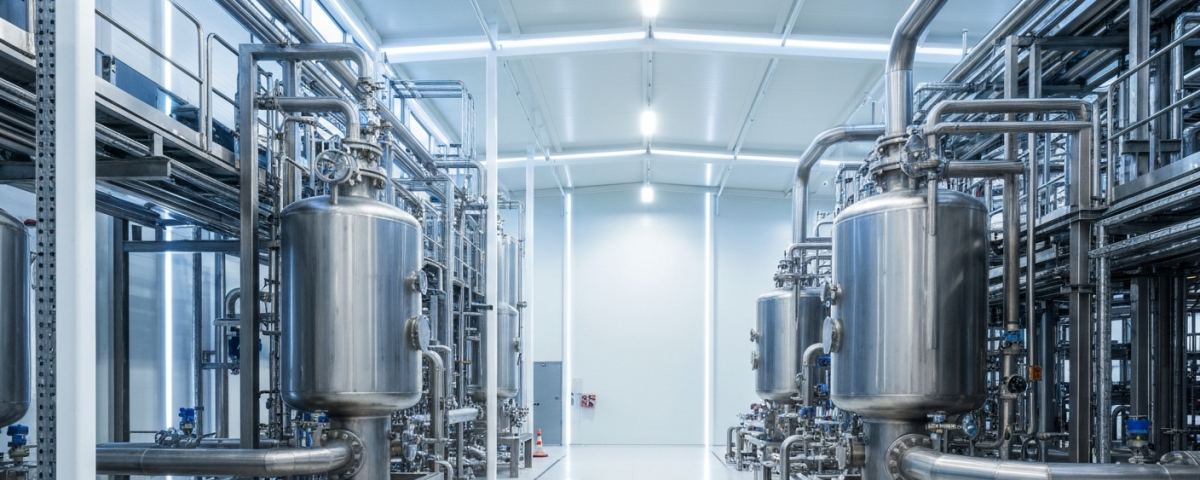
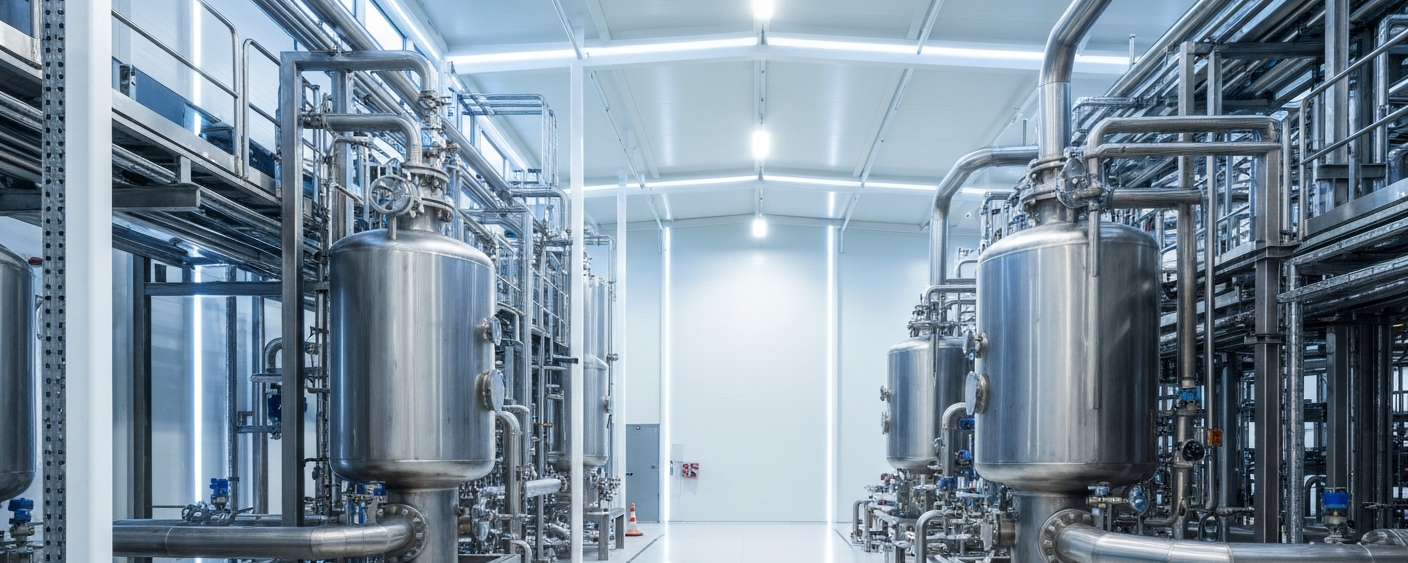
From ore to end product
For years, the lithium sector ran on a clear division of labor: the explorer develops a deposit, extracts raw material — typically spodumene concentrate or lithium brine — and sells it to a downstream processor. Conversion into lithium hydroxide or lithium carbonate for battery cells happened elsewhere: in China, South Korea, or at integrated chemical giants. The model is familiar. Its problem is that the junior sees only a fraction of the end-product price.
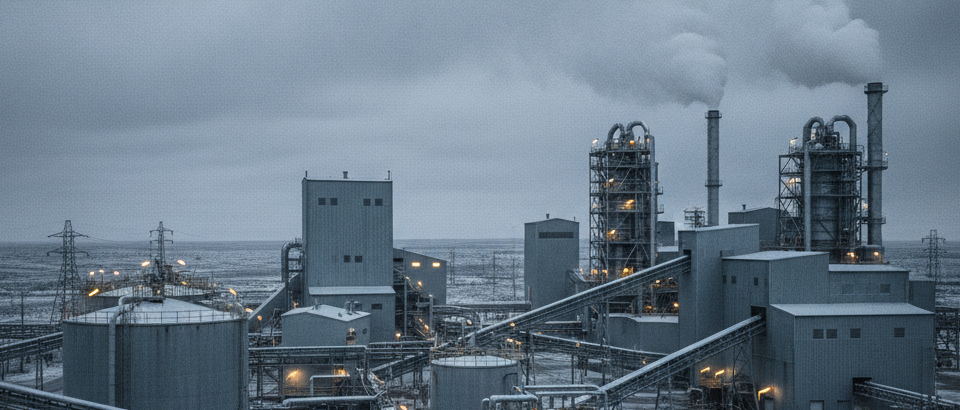
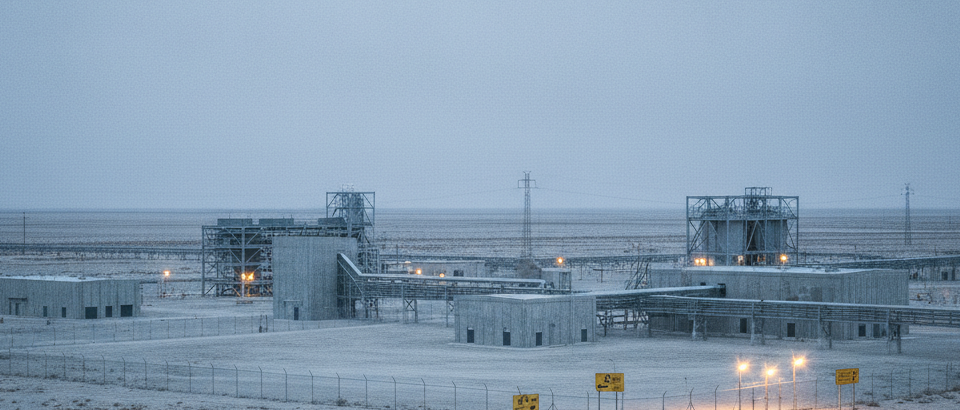
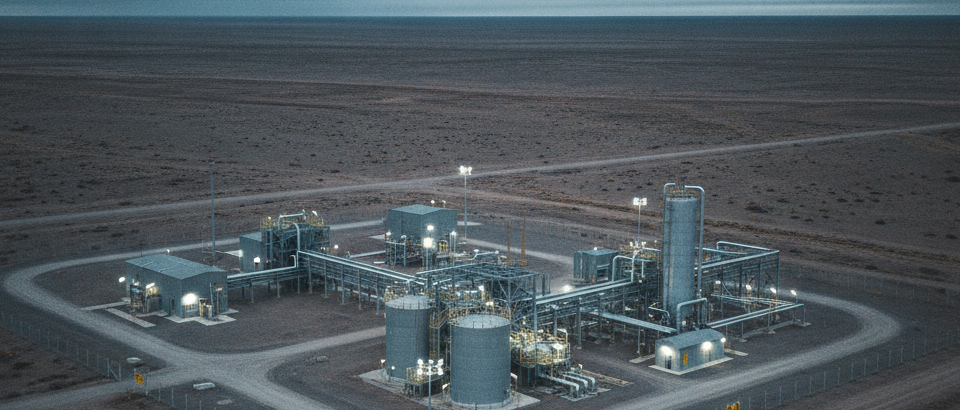
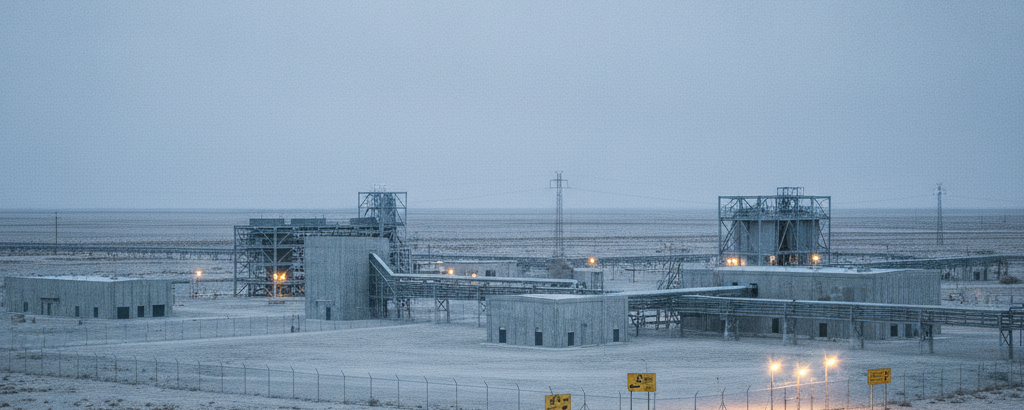
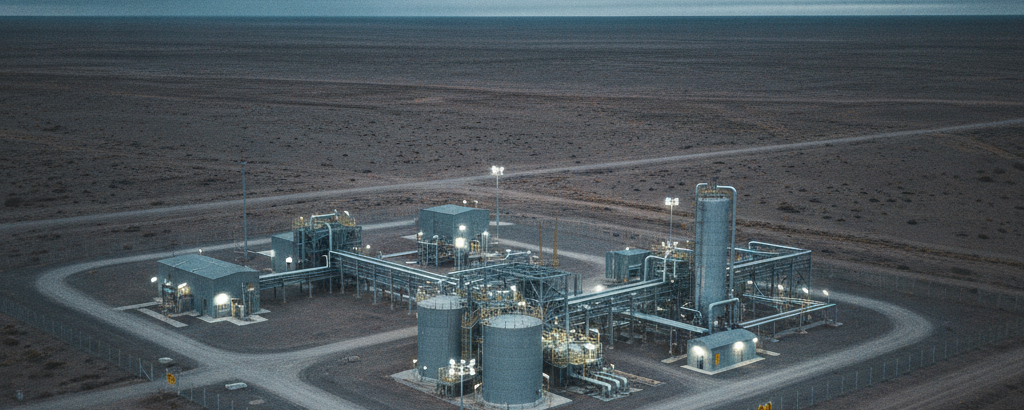
That is why on-site refining has been drawing attention. The principle is straightforward: instead of exporting raw material, chemical processing moves as close as possible to the deposit. A Canadian lithium company has formalized this approach through a technology cooperation with a Japanese trading conglomerate and its subsidiary. What lies behind this, and what market conditions are driving it?
Price gap, geopolitics, and the limits of the export model
The starting point is the gap between raw material and finished product prices. Lithium spodumene concentrate (SC6) trades on the spot market in U.S. dollars per tonne. Lithium hydroxide, the direct precursor for high-performance batteries, commands higher prices because it is chemically refined, battery-grade material. The processing margin has until now gone entirely to integrated refineries.
Geopolitics has shifted this. The United States, the EU, and Australia are investing in domestic supply chains for battery materials to reduce dependence on Chinese processing capacity. Programs such as the U.S. Inflation Reduction Act or European raw materials partnerships favor projects where processing takes place in western or western-aligned jurisdictions. For junior miners in Canada or Latin America, this opens a real opportunity: a company that can show its project delivers battery-grade lithium rather than raw ore is competing for a different category of offtake contract entirely.
Battery cell producers and automakers want secured sources of processed lithium, not concentrate. An offtake agreement at the product level saves the buyer one processing step, which makes the arrangement more attractive to them.

How on-site refining changes project economics
Adding a chemical processing stage raises CAPEX and technical complexity, but it changes a project’s revenue profile in a way that can more than compensate. In a preliminary economic assessment (PEA), net present value (NPV) can rise substantially through higher product prices even as operating costs (OPEX) increase. How many stages of the processing chain a company covers internally — what the industry calls value-chain depth — is what drives that outcome.
Technology partnerships are often the only realistic path forward here. An exploration company rarely has the capital or chemical know-how to build a full lithium refinery from scratch. Working with an experienced industrial partner from Japan or South Korea, where trading conglomerates have long roots in commodity processing, can close this gap: the junior brings the deposit and the jurisdiction; the partner brings process technology and, potentially, offtake interest.
The copper industry offers a useful parallel. Several Latin American projects integrated SX-EW processes (Solvent Extraction – Electrowinning) directly on site as early as the 1990s to deliver copper cathodes instead of concentrate. The learning curve was steep, but projects that mastered this step secured better offtake terms and became less dependent on smelter capacity. A similar logic applies to lithium, though the purity requirements for battery-grade material are considerably stricter than those for copper cathodes — which is not a trivial difference.
| Project stage | Delivered product | Value-chain depth |
|---|---|---|
| Raw extraction | Spodumene concentrate (SC6) | Low |
| Initial chemical processing | Technical-grade lithium carbonate | Medium |
| On-site refining | Battery-grade LiOH / Li₂CO₃ | High |
What this means for small-cap investors
Anyone following lithium juniors needs to separate signaling value from actual project progress when reading these announcements. A cooperation agreement with an established global partner, a Japanese trading conglomerate with decades in commodity markets, is a legitimate quality signal. It suggests the project has been assessed as technically suited to such a collaboration.
The further a junior moves into processing, though, the more capital-intensive the project becomes. An on-site refining facility needs additional infrastructure, regulatory permits, and people who can run chemical operations. That extends both the CAPEX requirement and the time to production. For a company at an early project stage, this is a strategic commitment with real costs attached.
The two things worth watching closely: whether the MOU evolves into a binding technology license or equity stake, and whether a subsequent feasibility study models processing costs realistically. If the same partner behind the technology agreement were also to act as offtaker at the product level, the project’s commercial position would look materially different from where it stands now.
Glossary: key terms for on-site refining
- On-site refining
- The chemical processing of raw lithium material directly at or near the mining site, rather than shipping it to an external refinery, with the aim of producing a higher-value end product at the project location.
- Battery-grade lithium
- Lithium compounds (hydroxide or carbonate) meeting defined purity levels and chemical properties required for use in lithium-ion batteries. Higher purity commands a higher market price.
- Offtake agreement
- A contract between a producer and a buyer covering the purchase of a defined quantity of a commodity or product at pre-agreed terms. Offtake agreements at the product level are more attractive to battery manufacturers than contracts for raw concentrate.
- MOU (Memorandum of Understanding)
- A letter of intent between two or more parties regarding a planned cooperation. Not legally binding, but relevant as a market signal because it documents the strategic direction of the partnership.
- CAPEX (Capital Expenditure)
- Investment spending required to build and commission a project, such as a mine facility or processing plant. On-site refining raises CAPEX requirements substantially compared to pure extraction projects.
- OPEX (Operating Expenditure)
- Ongoing operating costs after commissioning, including energy, labor, and chemicals. On-site refining incurs higher OPEX, which must be offset by higher product revenues.
- Value-chain depth
- A measure of how many processing stages a company handles internally. Greater depth can mean better margins, but also higher complexity and capital commitment.
- Spodumene concentrate (SC6)
- A lithium mineral concentrate from hard-rock projects with typically 6% lithium oxide content (Li₂O). It is the standard traded form of lithium from pegmatite deposits and requires further chemical processing before it can be used in battery production.
Notice: This article is for informational and educational purposes only. It does not constitute investment advice, a recommendation, or a solicitation to buy or sell any security. Investments in small-cap exploration and mining companies carry a high risk, including the potential total loss of capital. Before making any investment decision, consult a registered financial advisor and conduct your own analysis. Boersen Post Team is not responsible for decisions taken based on the content published here.