Self-Prepared Resource Estimates: Why Withdrawal Is a Red Flag
June 24, 2026
Geodata Intelligence: How AI Is Reshaping Exploration Decisions
June 25, 2026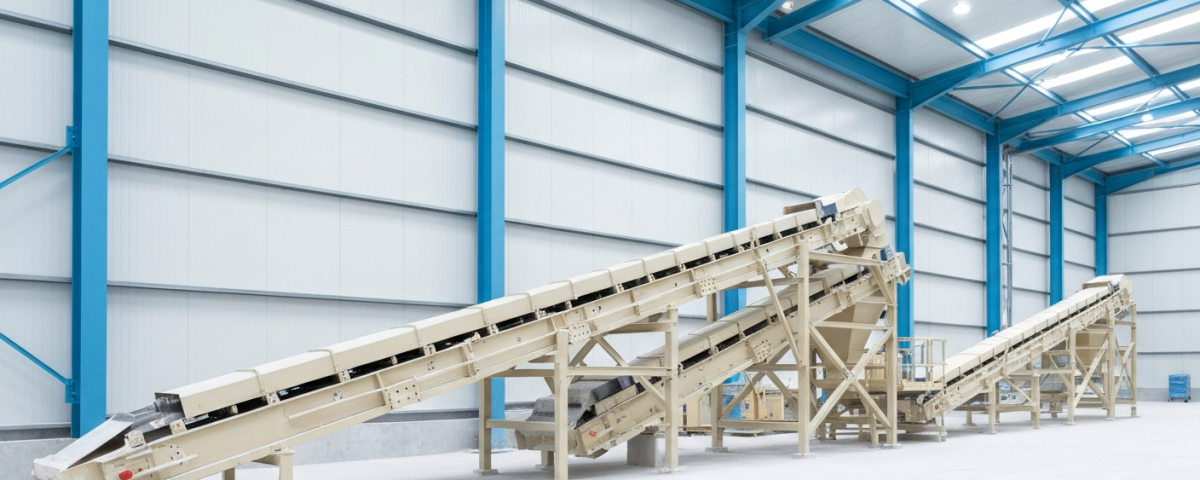
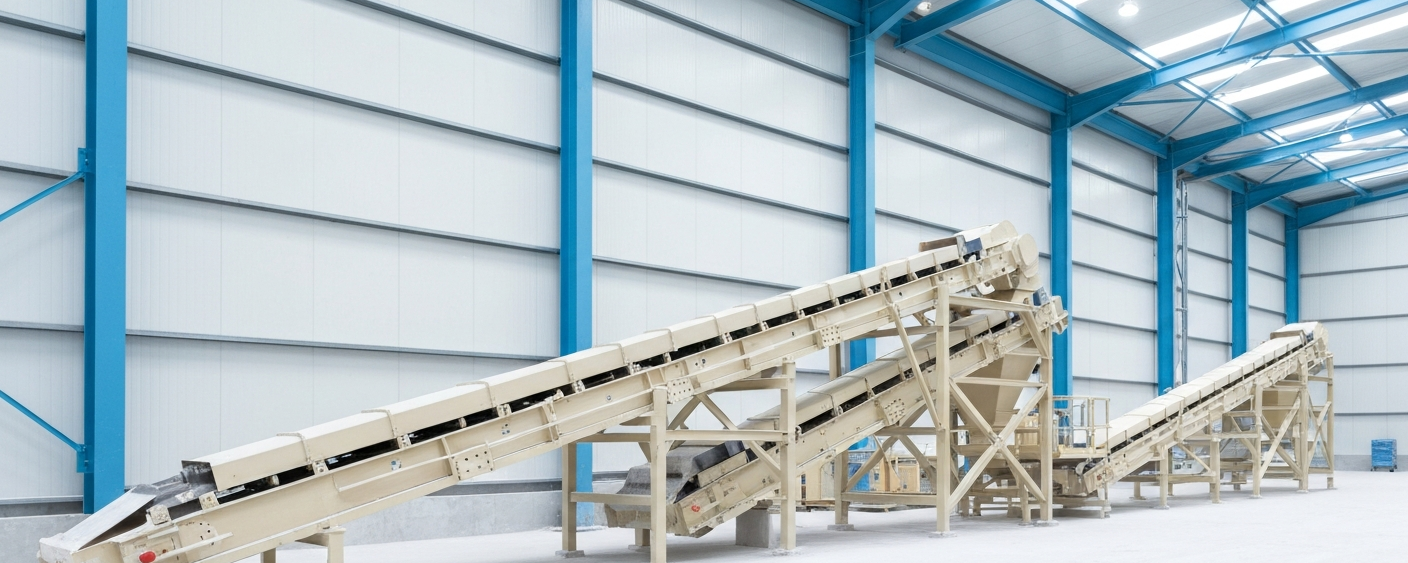
When the laboratory decides the fate of million-dollar projects
In the commodities world, one underappreciated rule holds firm: a mineral discovery is worthless if it cannot be processed economically, regardless of how high the grade is. That is precisely where metallurgical testing comes in, and its results are among the most concrete data an explorer can publish in early project stages. Anyone following small-cap lithium projects should understand where this step fits in the exploration cycle.
Recent test results from a Canadian junior illustrate what is possible at bench scale: the company achieved a potential Direct Shipping Ore concentrate (DSO concentrate) in metallurgical preliminary studies, reaching approximately 6.0% Li₂O at a recovery rate of 77%. For capital markets, these figures are not an end in themselves. They suggest the project could reach market without complex processing infrastructure, which changes the risk profile compared with conventional hard-rock lithium projects.
DSO concentrates in the commodity cycle
The DSO model is well known from the iron ore industry: Australian and Brazilian mines shipped directly mineable, high-grade ore to China for decades, bypassing costly processing steps. Margins were higher in early phases and capital requirements were lower.
In the lithium sector the concept is newer, but the logic is similar. Conventional spodumene projects typically require multi-stage flotation, roasting, and chemical processing before the material can be marketed as lithium hydroxide or lithium carbonate. DSO concentrates skip parts of this chain: the enriched material goes directly to refineries at grades between 5% and 7% Li₂O.
This matters in a market where lithium demand is growing, electric mobility and stationary storage are pulling in one direction, and supply is hemmed in by long project timelines and permitting delays. Companies that can deliver earlier have a real timing advantage.
How recovery rates and grade shape project economics
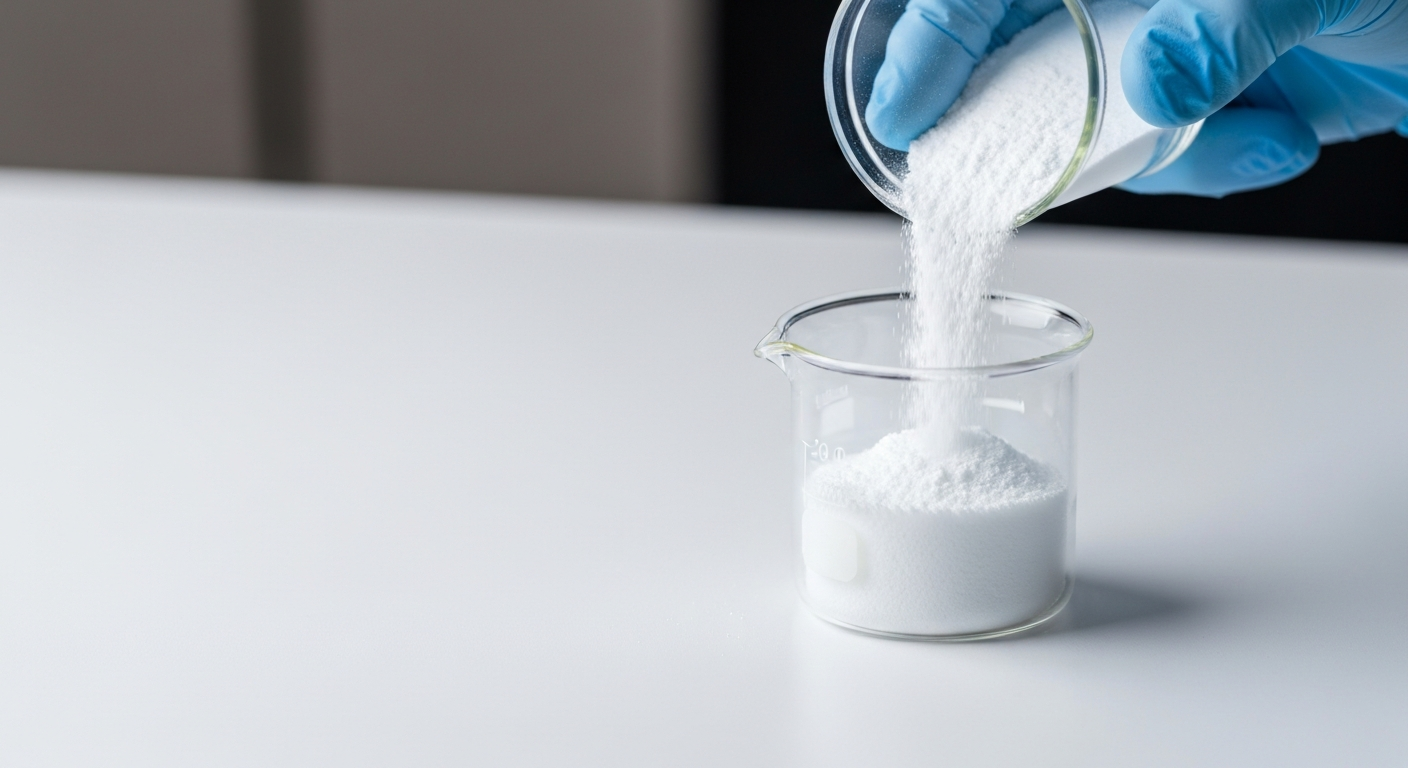
Two metrics dominate the metallurgical evaluation of a lithium project: the concentrate grade (expressed as % Li₂O in the final product) and the recovery rate, which is the percentage of lithium present in run-of-mine ore that actually ends up in the concentrate.
A concentrate grade of 6.0% Li₂O paired with a recovery rate of 77% in early bench-scale tests tells you, at minimum, that the mineral responds well metallurgically and that concentration is achievable using methods such as gravity separation or simple flotation. These figures do not yet allow conclusions about economics at industrial scale. They do give project financiers a first concrete basis for further due diligence.
Commodity banks and streaming companies require metallurgical data before they will even begin conversations about financing. Projects that demonstrate early on that their material can be processed substantially shorten that process.
| Characteristic | Conventional spodumene project | DSO-capable project |
|---|---|---|
| Processing steps | Flotation, roasting, chemicals | Crushing, screening, gravity separation if required |
| Initial investment (CAPEX) | High (USD 100–500 M+) | Moderate (grade-dependent) |
| Time to first delivery | Long (typically 8–15 years) | Potentially shorter (project-dependent) |
| Financing risk | Higher (more capital required) | Potentially lower |
| Product form | Li hydroxide / Li carbonate | Spodumene concentrate (~6% Li₂O) |
For investors tracking junior lithium projects, this comparison offers a way to sort projects by technical risk without relying on price forecasts.
What early metallurgical data says, and what it does not
Bench-scale tests, as carried out in early exploration phases, are necessary but still far removed from a production decision. The path runs from initial laboratory tests through pilot-scale tests to a Preliminary Economic Assessment (PEA), then a Pre-Feasibility Study (PFS), and finally a Definitive Feasibility Study (DFS). Only the DFS pulls together metallurgical, geological, and economic data into a reliable investment basis.
A DSO result from bench-scale tests is a promising early signal, nothing more. Metallurgical properties can shift at larger scale because material composition varies across the deposit body and process parameters do not always scale linearly.
Anyone seeking to put such announcements in context should ask specifically: are these initial bench-scale tests or already pilot tests using representative sample material? How large was the sample? Is there an NI 43-101-compliant technical report that contextualizes these figures?
Metallurgical maturity as an early indicator in the project cycle
Geological grade opens the door; metallurgy determines whether a project can move beyond it. Without evidence that the material can be processed economically, project financing does not come together.
DSO-capable results in lithium exploration point to a path with lower technical risk and a potentially shorter timeline to first revenue. In an environment of high capital costs and slow permitting, that distinction matters. It is not a guarantee, but before trading on a headline recovery rate, it helps to know exactly what that number reflects — and where it sits in the broader study sequence.
Key terms for metallurgical project phases
- DSO concentrate (Direct Shipping Ore)
- Ore or concentrate that can be delivered directly to refineries or offtake partners without complex chemical processing. This requires sufficiently high natural grades or straightforward physical beneficiation.
- Li₂O grade
- Standard measure of lithium content in mineral concentrates, expressed as weight percent lithium oxide (Li₂O). A grade of 6% Li₂O is considered marketable quality for spodumene concentrates.
- Recovery rate
- The percentage of metal present in run-of-mine ore that is actually recovered through the processing operation. A rate of 77% means that 77 out of every 100 units of lithium in the ore reach the final concentrate.
- Bench-scale test
- The first metallurgical laboratory test conducted at small scale to assess the basic processability of a material. It is not yet representative of industrial production conditions.
- Bankability
- The property of a project that enables it to secure external financing, such as bank loans, streaming deals, or project bonds. Positive metallurgical studies and DFS-level maturity are generally prerequisites.
- NI 43-101
- Canadian regulatory standard for reporting on mineral resources and reserves. Results must be signed off by a qualified person (QP).
- Definitive Feasibility Study (DFS)
- The final technical and economic study conducted before an investment decision. It integrates geology, metallurgy, and infrastructure into a financial model built on a high level of confidence.
- CAPEX (Capital Expenditure)
- The investment costs required to build a mining or processing facility. Lower CAPEX, as is typical with DSO-capable projects, makes financing more accessible for capital-constrained junior companies.
⚠️ Important notice: This article is for informational and educational purposes only. It does not constitute investment advice, a recommendation, or a solicitation to buy or sell any security. Investments in small-cap exploration and mining companies carry a high risk, including the potential total loss of capital. Before making any investment decision, consult a registered financial advisor and conduct your own analysis. Boersen Post Team is not responsible for decisions taken based on the content published here.