Project Generation: How Royalty Companies Discover Critical Mineral Projects Early
July 18, 2026
Three Metals, One Project: Polymetallic Strategy in Junior Exploration
July 19, 2026
When a commodity becomes the defining theme of an entire exchange
The ASX has been the preferred home for commodity explorers worldwide for decades. Anyone who follows sentiment there over a longer period will notice a recurring pattern: at some point, a single theme draws capital toward a handful of companies that were barely on anyone’s radar before. Right now, copper and energy appear to be filling that role.
For those new to small-cap investing, it is worth understanding why these phases emerge and what drives them, because they bring both real opportunities and considerable risks for junior explorers.
Structural demand meets tight supply
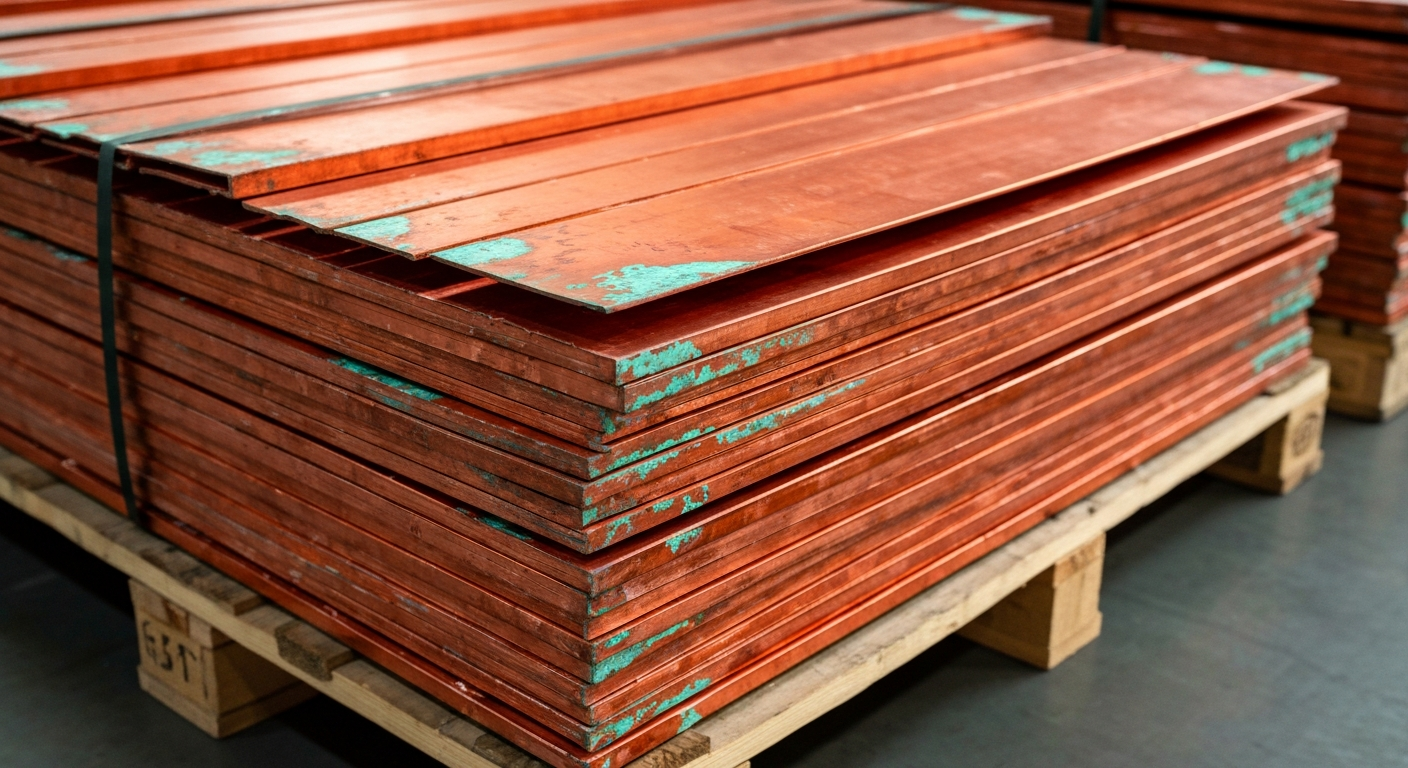
Copper is a heavily industrial metal with no obvious substitute in electrical applications. Solar installations, wind turbines, and charging infrastructure all consume significant quantities of it, and an electric vehicle contains three to four times as much copper as a conventional one, depending on the model. The energy transition also requires reliable power sources to run the new infrastructure being built around it.
The supply side is moving in the opposite direction. Discovery rates for large copper deposits have been falling since the 1990s. Known mines are aging, ore grades are declining, and new large-scale projects routinely take ten to fifteen years from discovery to production. Because demand is growing while known reserves stagnate, early-stage explorers — including small, listed companies — get traded as potential links in a future supply chain.
How capital rotation re-rates an entire sector
When institutional and retail investors begin directing capital into a sector, it changes the valuation basis for all participants, including those that have not yet sold a single product.
It begins with attention. A narrative takes shape, trading volumes in junior explorers rise, and this often happens well before any concrete news from the projects themselves.
From there, the valuation logic shifts. An explorer with an early drill sample in a historically known copper belt receives more scrutiny than it would in quieter conditions, not because the geology has changed, but because the market is willing to pay for the possibility of a future discovery.
Eventually, selection sets in. Projects with readable geology, a clean capital structure, and experienced management hold their ground. Those carried along purely by the general tailwind lose investors’ interest as soon as the initial enthusiasm fades.
The lithium run of 2021 to 2022 on the ASX played out in much the same way: explorers saw their market capitalizations multiply while the industry had barely grown operationally. After the correction, it was the companies with a solid resource base and realistic timelines that held up.
| Valuation phase | Driver | Relevance for small-cap investors |
|---|---|---|
| Attention phase | Thematic rotation, media coverage | High volatility, often without new data |
| Re-rating phase | Option-value logic, industry reports | Valuation methods shift; comparisons become difficult |
| Selection phase | Fundamentals, management quality | Quality differences become visible |
Energy as a related theme
Copper and energy are closely linked in an investment context because both are pulled by the same forces: the decarbonization of the energy sector and the buildout of new power grids. Anyone valuing a copper explorer will almost inevitably arrive at questions about energy infrastructure. How energy-intensive is the mining operation? What energy source is available at the project site? Is the operation compatible with national climate targets?
In Australia there is an additional layer: the government actively intervenes in the commodities sector, pursuing a deliberate industrial policy aimed at processing critical minerals domestically rather than exporting them as raw material. This creates a regulatory environment that can work in an explorer’s favour, through grant programs or faster permitting for instance, but can also become complicated when environmental and land rights issues arise.
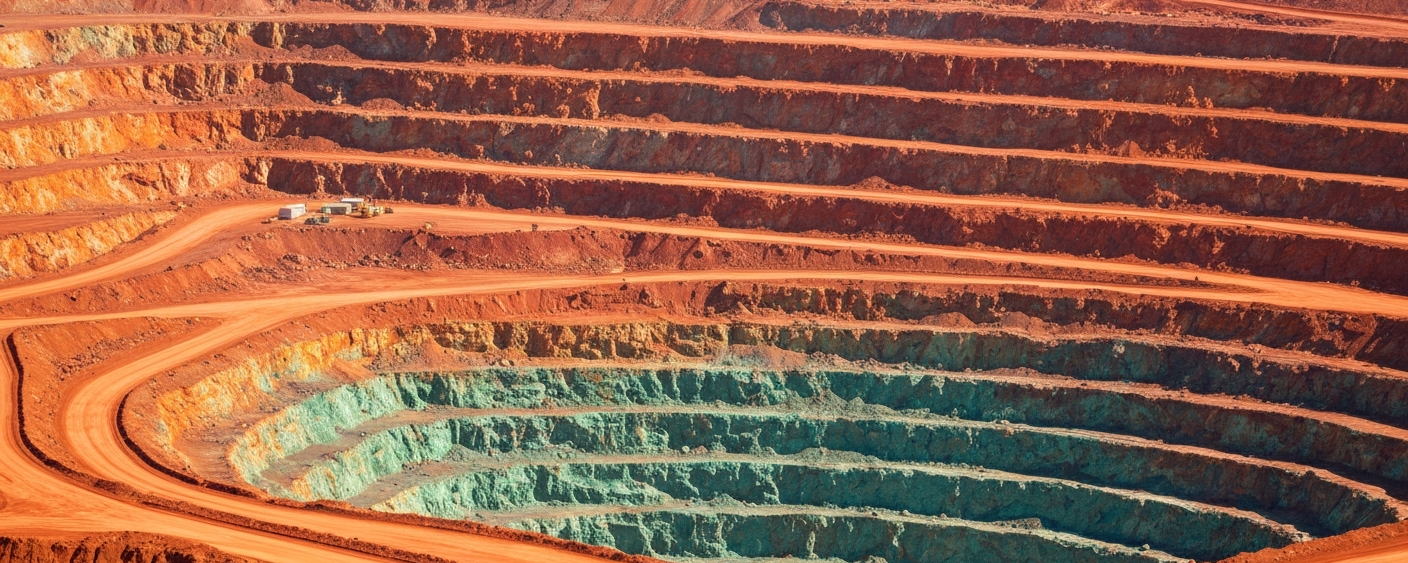
A concrete example: an explorer with a copper project in the Australian outback may benefit from government infrastructure investment, but must simultaneously negotiate with indigenous land title holders and environmental authorities. Such processes can push a project timeline back by years.
Reading an attention-driven phase without being swept up by it
Heightened sector visibility does not guarantee value creation. The demand case for copper is real enough: electrification does require more of it, supply is genuinely tight, and Western economies are actively seeking alternatives to concentrated supply chains. But most junior explorers sit at early project stages where even positive drilling results fall short of a technically compliant resource estimate.
Early-stage explorers can have a place in a diversified portfolio. The investment logic, though, differs from that of established producers. The gap between a promising drill sample and an economically mineable reserve is large, and that distinction is easy to lose sight of when a sector is moving fast. Investors who keep it in mind tend to make better decisions when sentiment eventually turns.
Key terms for getting started
- Capital rotation
- The reallocation of investment capital from one sector or asset class to another, often driven by changing growth expectations or valuation differentials.
- ASX (Australian Securities Exchange)
- Australia’s stock exchange, headquartered in Sydney. It is a global hub for listed commodity explorers, particularly in the small-cap segment.
- Early-stage explorer
- A company in the exploration phase, meaning it does not yet have confirmed resources or production plans. The risk profile is high, as is the potential option value.
- Resource vs. reserve
- A resource (Inferred, Indicated, or Measured) describes estimated quantities of minerals in the ground; a reserve (Probable or Proven) is the economically mineable portion that meets stricter technical criteria. The two terms are not interchangeable.
- Option value
- In commodity valuation: the market value assigned to a possible but not yet confirmed future discovery or production outcome. During sentiment-driven phases, this value often rises well beyond what the underlying data supports.
- Electrification trend
- The global transition away from fossil fuels toward electric systems in transportation, industry, and heating. It drives demand for copper, lithium, and other metals.
- Market capitalisation
- The total value of all outstanding shares of a company at the current market price. For small caps, this is frequently below A$300 million, which enables rapid price moves but also means elevated volatility.
⚠️ Important notice: This article is for informational and educational purposes only. It does not constitute investment advice, a recommendation, or a solicitation to buy or sell any security. Investments in small-cap exploration and mining companies carry a high risk, including the potential total loss of capital. Before making any investment decision, consult a registered financial advisor and conduct your own analysis. Boersen Post Team is not responsible for decisions taken based on the content published here.