Hybrid Project Generators: How Copper-Gold Explorers Spread Risk
August 16, 2026
Copper Junior Project Phases: Where Does Share Price Potential Emerge?
August 17, 2026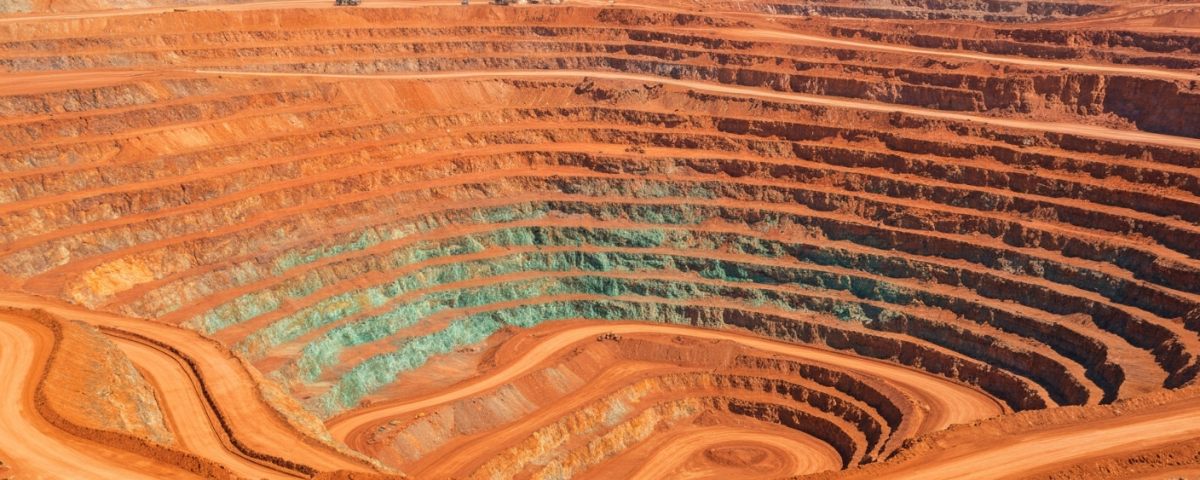
Why Africa could be the next major copper stage
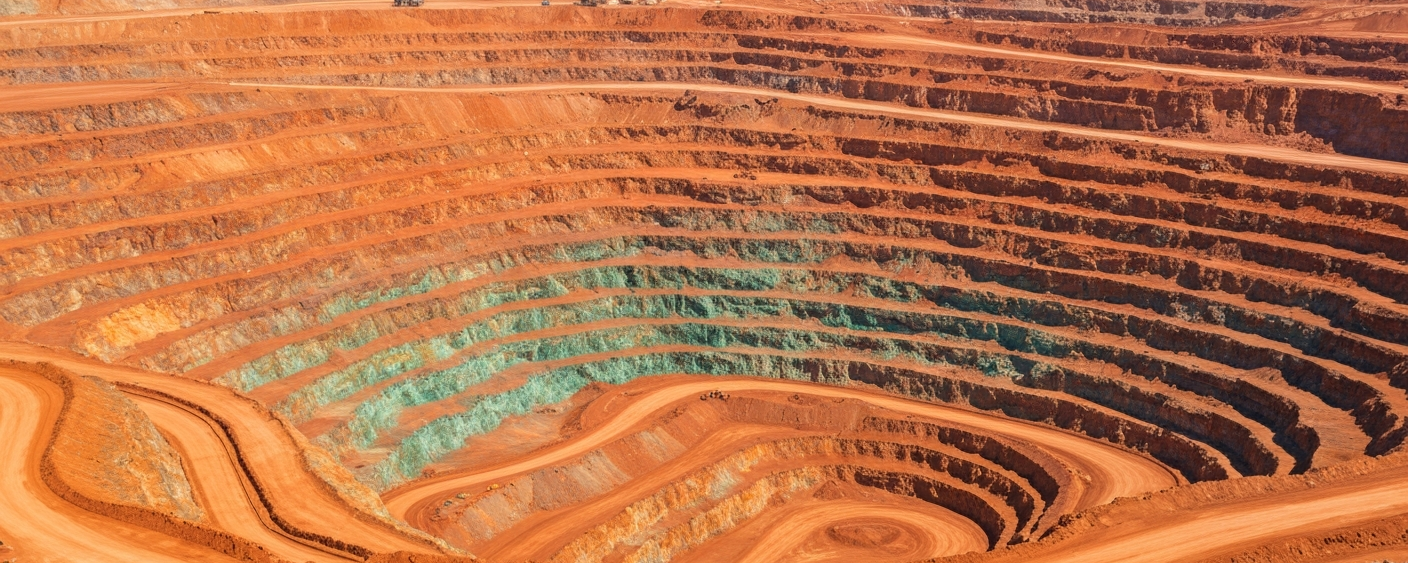
Copper is the metal of the energy transition. Electric vehicles and wind turbines need more of it every year, and the mining industry is running out of places to look. Chile and Peru have decades of built-out infrastructure behind them. Africa — southern Africa in particular — has something else: large deposits that have barely seen a drill bit. For junior explorers, the small companies that finance their own drilling and carry all the exploration risk, this is a real opening. It also comes with real problems.
Large deposits, scarce roads
Many African copper regions have never been systematically drilled. That alone makes them geologically interesting, but geology is only part of the story.
Namibia is a useful example. The country has a comparatively stable political environment and a mining code that is at least legible — which is more than can be said for several higher-risk jurisdictions on the continent. It also holds some of the largest undeveloped copper deposits in Africa. Many of these are sediment-hosted or stratiform deposits: copper minerals spread across wide, horizontal zones rather than concentrated in steeply dipping veins. That geometry suits high-volume mining, but it also demands heavy upfront spending on infrastructure before a single tonne of ore moves.
That is the problem for junior miners. Remote locations, absent roads, and limited water access push capital requirements far above what a comparable project in Chile would need — a country where port access and existing mining infrastructure are often already in place. For investors looking at African juniors, this infrastructure gap frequently matters more than the tonnage figure in a resource estimate.

What drilling actually does — and what can still go wrong
A junior explorer launching a drilling campaign in Africa has one practical objective: replacing guesswork with data. Each drill hole, rock sample, and geochemical analysis narrows the range of uncertainty about whether a mineralization is what the surface geology suggests it might be.
Technically, a project moves through defined phases. Drilling first produces resource estimates under international standards, and the terminology here is worth getting right. Resources — split into Inferred, Indicated, and Measured categories — describe quantities that geology supports with varying degrees of confidence. Reserves, either Probable or Proven, require demonstrated economic extractability and sit at a much later stage of development. A company reporting “1 billion tonnes of resources” is near the beginning of a long road, not near the end.
Share price reactions to drill results make more sense once you know where a project actually sits in that sequence. Early results from a large porphyry or sediment-hosted copper target can move markets even when production is decades away, because a positive intercept that confirms a broader mineralization zone changes what the market thinks the project might eventually be worth. Investors are buying a revised probability, not a confirmed outcome.
Several risks are specific to African exploration:
- Permitting risk: Even in stable jurisdictions, mining permits can be delayed — due to regulatory changes, environmental requirements, or conflicts with local communities.
- Currency risk: Projects in countries with volatile local currencies are exposed to exchange rate swings that can significantly affect cost models.
- Financing risk: Large copper projects often require billions in investment. Junior miners can usually only fund the exploration phase themselves. Getting to production requires a partner, a lender, or an acquirer.
| Factor | Advantage (Africa) | Challenge (Africa) |
|---|---|---|
| Geology | Large, underexplored deposits | Often complex mineral types |
| Jurisdiction | Some countries with stable mining laws | Political risk varies significantly |
| Infrastructure | Catch-up potential through investment | Higher upfront capital intensity |
| Competition | Less competition than in mature regions | Lower liquidity, less analyst coverage |
What to check before buying African copper juniors
Junior explorers are increasingly looking to Africa for a straightforward reason: the known deposits in established mining regions are mostly taken. Majors have either put them into production or locked them up. Finding something new means going further out.
Before buying into that story, investors need to understand how a deposit is classified, because tonnage and extraction costs depend directly on geology. The resource category tells you more about a project’s actual stage than any press release. So does the question of whether a company has workable answers to infrastructure and community relations — two things that can stop a project cold regardless of what the drill holes say.
Deposits that majors once passed over as too remote or technically awkward have moved into economic reach before, as metal prices rose or processing technology improved. Konkola Deep in Zambia is one case; several Namibian targets have followed a similar arc. Whether that happens with the current generation of African juniors depends on factors — copper price, financing conditions, permitting timelines — that no resource estimate can capture.
Key terms for getting started in copper exploration
- Porphyry copper deposit
- A deposit type in which copper (often alongside molybdenum or gold) is distributed throughout a large, low-grade body. Porphyry deposits are the world’s most important source of primary copper.
- Sediment-hosted copper deposit
- A deposit in which copper sits within horizontal sedimentary layers, common across central and southern Africa. Often large in volume but with specific processing requirements that add cost.
- Inferred resource
- The least certain resource category, based on few drill points and limited geological continuity. There is no demonstration of economic extractability; confidence is low.
- Indicated resource
- A higher confidence level than Inferred, based on a denser drilling program. Allows for preliminary economic estimates but does not yet qualify for reserve classification.
- Proven / Probable reserve
- Reserves require a demonstration that an ore body can be economically mined under realistic market conditions. They form the basis for feasibility studies and financing decisions.
- Infrastructure gap
- The distance, in practical and financial terms, between a deposit and the infrastructure it needs — roads, power, water, port access. A wide gap pushes up upfront capital and can make an otherwise attractive project unbankable.
- Jurisdiction risk
- The risk that political or regulatory changes in a country impede or prevent a mining project from operating. Across Africa this varies considerably by country and is one of the first things a serious investor should assess.
⚠️ Important notice: This article is for informational and educational purposes only. It does not constitute investment advice, a recommendation, or a solicitation to buy or sell any security. Investments in small-cap exploration and mining companies carry a high risk, including the potential total loss of capital. Before making any investment decision, consult a registered financial advisor and conduct your own analysis. Boersen Post Team is not responsible for decisions taken based on the content published here.