Major Stakes in Copper Juniors: What’s Really Going On?
June 26, 2026
Mines Act Permit: What Permits Mean for Silver Junior Miners
June 26, 2026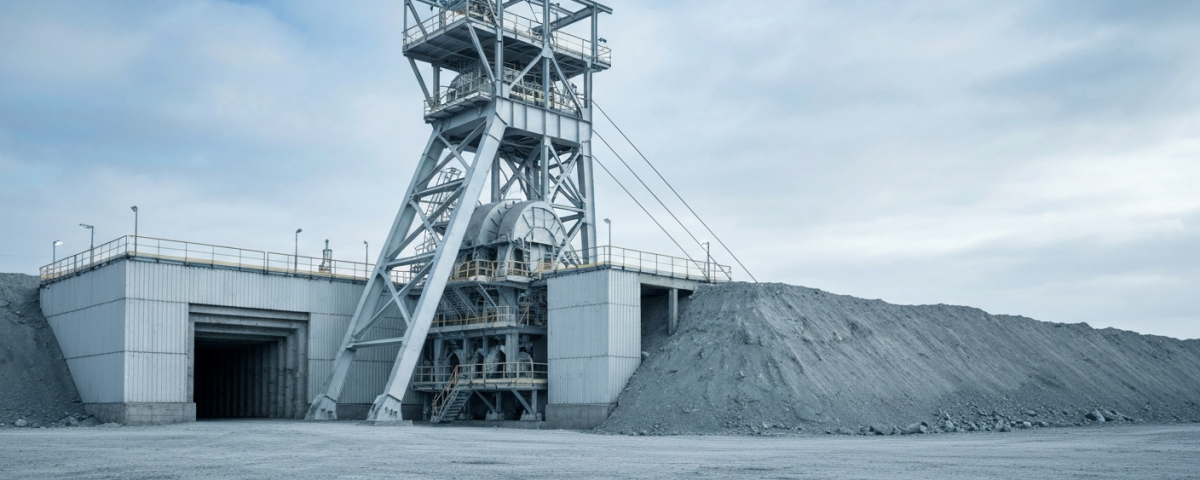
The permit gap: why good grades aren’t enough
Solid grades, confirmed resources, a committed operator, and still nothing moves. This situation is more common in mining than most investors expect. The problem usually isn’t underground; it’s sitting in a government office. Missing construction permits can stop even well-advanced projects before a single meter of development tunnel gets driven. Until the relevant authorities sign off, the ground stays untouched.
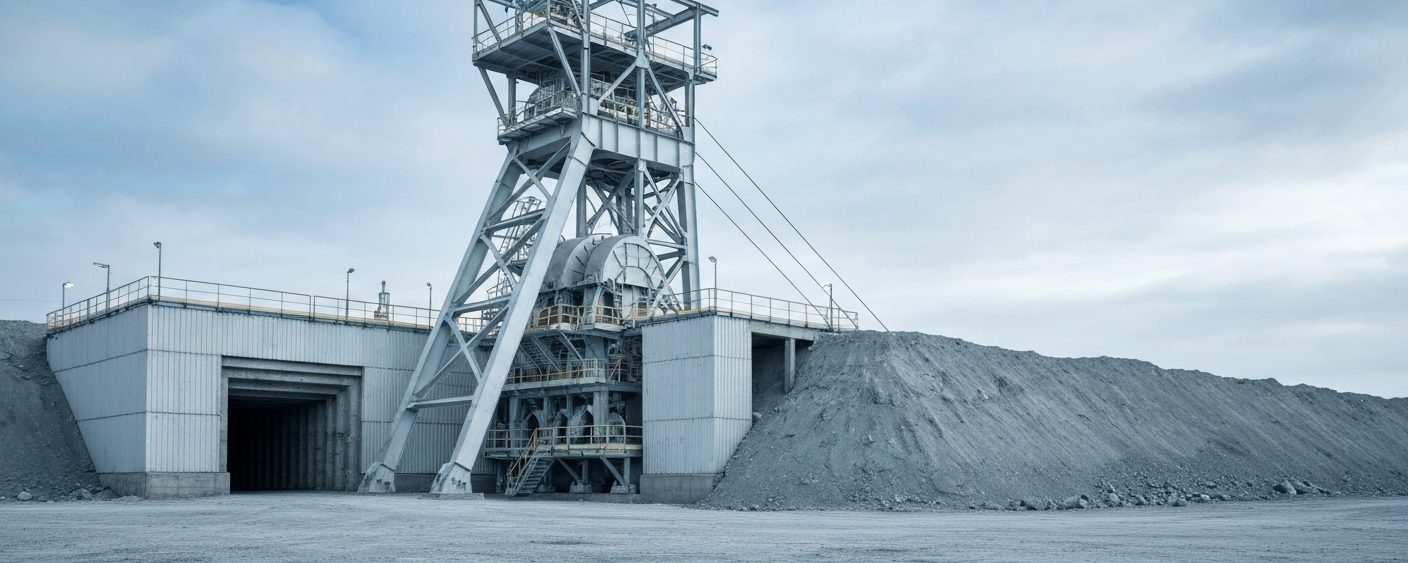
One example from Mexico puts this in plain terms: a silver company has received construction permits for two underground sub-projects within an established mining district. That approval formally moves the work into the construction phase and has triggered roughly US$12 million in additional spending for 2026. The episode illustrates how permitting actually shapes project timelines — more bluntly than most project presentations let on.
Mexico’s regulatory layers and why they slow things down
A mining project moves from exploration through resource estimation and feasibility work to construction and eventual production. Between a completed feasibility study and breaking ground, though, permitting sets the pace. Not engineering, not finance.
In Mexico, that process runs through several separate agencies. Environmental clearance requires an MIA (Manifestación de Impacto Ambiental). Beyond that, a company needs land-use rights, water-use authorizations, and mining-specific approvals from the Secretaría de Economía. Any one of these can take months or years. Community opposition, shifts in national resource policy, or plain bureaucratic backlog can push those timelines out further.
The practical consequence for investors: a project without a full permit stack is a permitting project, not a construction project. That distinction determines when an explorer can realistically start producing, which is why capital markets reprice a company once key approvals land.

Infill drilling and resource categories: the technical background
Alongside permitting, mature projects typically run infill drilling programs, and these differ in purpose from conventional exploration drilling. Exploration drilling looks for new zones. Infill drilling tightens hole spacing inside an already-defined resource area to move tonnes from the “Inferred” category into “Indicated” or “Measured.”
Under Canada’s NI 43-101 standard, that distinction has direct financial consequences. Only Indicated and Measured resources can, after further evaluation, be converted into official reserves (Proven or Probable), and only reserves underpin a bankable feasibility study. A higher resource category opens more financing doors.
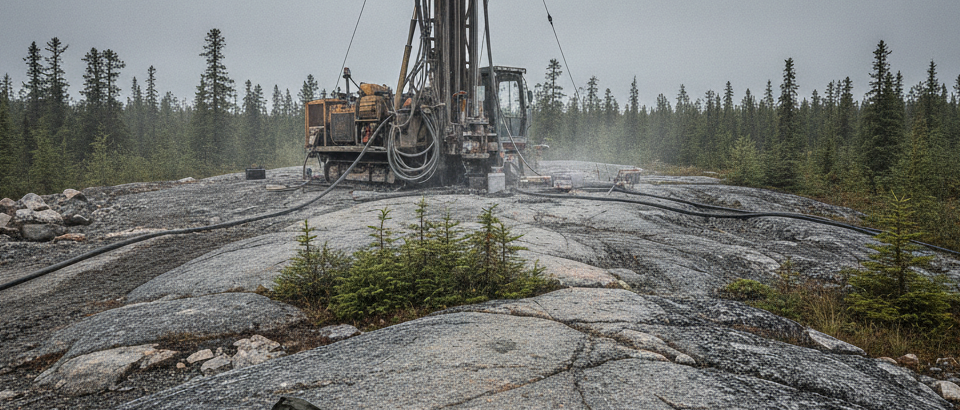
At the two underground targets in the Mexican silver district, infill drilling has returned high-grade silver-gold intercepts. The results are meant to firm up mine plan economics before construction starts. That’s standard practice for brownfield projects: the deposit is already known in outline, but the specific mine plan needs tighter spatial control to hold up under scrutiny.
| Resource Category | Data Requirement | Use in Project |
|---|---|---|
| Inferred | Low drill density, geological extrapolation | Preliminary economic estimates |
| Indicated | Moderate drill density, statistical reliability | Preliminary feasibility study (PEA/PFS) |
| Measured | High drill density, direct sampling | Definitive feasibility study (DFS) |
| Proven/Probable Reserve | Technical and economic evaluation complete | Bank financing, production planning |
What a permit announcement actually signals
Construction permits carry technical weight, but they also send a message to capital markets. When a company announces that portal construction and underground access have been approved, several things become true. The authorities have reviewed the project’s environmental, safety, and community compliance and found it acceptable. The next spending cycle is no longer contingent; it can be planned and budgeted. And the company has shown it can navigate a complex approval process to completion, which junior miners don’t always manage.
For small-cap investors, one specific risk has dropped out of the picture. Commodity price exposure and financing gaps remain, as they always do. But permitting risk for this phase is resolved.
Reading milestones: what to look for when evaluating junior miners
Progress in mining doesn’t happen in a smooth line. It moves in defined steps, each of which eliminates some risks while increasing the capital needed for the phase that follows. Investors who can read those steps will assess a project more accurately than those who focus only on resource tonnes and grades.
When analyzing a junior or producer, the useful questions are specific: Which permits are in hand? Which have been applied for, and which haven’t been filed yet? What share of the resource sits in categories bankable enough to support project finance? Is there a current technical study that reflects the actual permit status? Does the projected spending for the next phase bear a reasonable relationship to the company’s cash position?
A company that announces permits alongside concrete capital figures for the year ahead is giving investors something to verify. Permitting announcements are not just administrative updates; they directly affect when a project can generate cash, which is the only thing that ultimately matters to a mining valuation. Investors who ignore them are missing a good part of how junior mining stocks actually move.
Key terms
- Construction permit
- A regulatory authorization allowing physical construction of infrastructure such as tunnels, portals, or processing facilities. Without it, no legal construction can begin.
- Infill drilling
- Drilling within an already-delineated resource area to increase data density, which can support an upgrade in resource category from Inferred to Indicated or Measured.
- NI 43-101
- A Canadian regulatory standard governing the disclosure of mineral resources and reserves. All figures reported under NI 43-101 must be certified by a Qualified Person (QP).
- Resource vs. reserve
- Mineral resources (Inferred, Indicated, Measured) describe the geological quantity of a deposit. Mineral reserves (Proven, Probable) are established only after a complete technical and economic evaluation, and form the basis for production decisions.
- Portal construction
- The entry point of an underground tunnel, through which personnel, equipment, and materials access the mine. Building the portal is typically the first visible physical step in developing an underground operation.
- Brownfield project
- A mining project in an area with existing infrastructure or prior mining history. Because data and physical assets already exist, brownfield developments generally carry less uncertainty than greenfield projects.
- Permit risk
- The risk that regulatory approvals are delayed, denied, or attached to conditions that cannot be met. This risk is more acute in jurisdictions with complex regulatory frameworks or political instability.
⚠️ Important notice: This article is for informational and educational purposes only. It does not constitute investment advice, a recommendation, or a solicitation to buy or sell any security. Investments in small-cap exploration and mining companies carry a high risk, including the potential total loss of capital. Before making any investment decision, consult a registered financial advisor and conduct your own analysis. Boersen Post Team is not responsible for decisions taken based on the content published here.