District-Scale Relevance: How REE Juniors Stake Their Territory
June 8, 2026
Frontier Jurisdiction Malawi: What ASX Investors Need to Know
June 8, 2026
When concentration matters more than mass
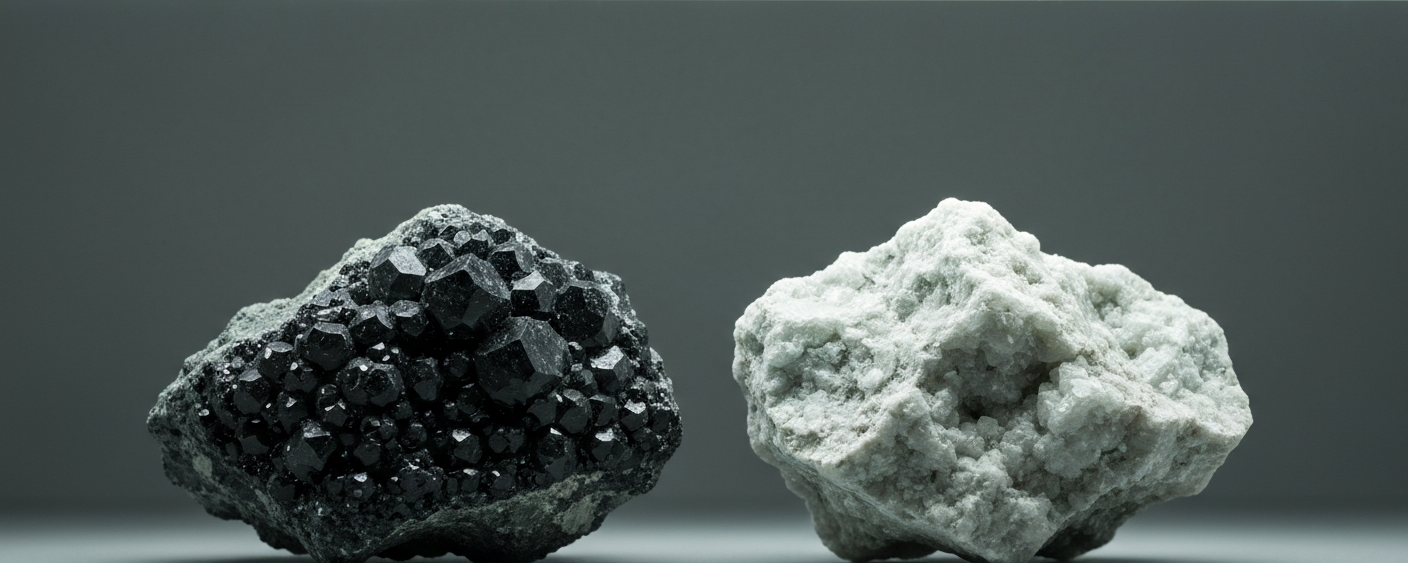
A rule of thumb separates experienced exploration analysts from newcomers: a smaller project with superior grades often beats a massive one on economics alone. This is the essence of what the industry calls high-gradeness. In rare earths, where processing costs are steep and capital requirements substantial, a modest tonnage with rich ore can be far more profitable than a sprawling but dilute deposit.
In summer 2026, a rare earth project in northern Saskatchewan began preparing a new drilling program. The deposit ranks among North America’s highest-grade REE sources. For investors evaluating such announcements, the baseline question is straightforward: what does “high-grade” mean for rare earths, and why does it shift project economics?
Element composition drives value more than total grade
The 17 rare earth elements differ sharply in market demand, processing difficulty, and price. A deposit’s worth depends less on total grade alone than on which elements it contains. Heavy Rare Earth Elements (HREEs)—dysprosium and terbium among them—command premium prices because they are essential for high-performance magnets in electric motors and wind turbines. Light Rare Earth Elements (LREEs) such as lanthanum and cerium face a softer market and lower prices.
Geography reinforces this divide. China processes roughly 60–70% of the world’s HREEs. Western governments from the EU to Canada actively pursue alternatives. A high-grade project in stable jurisdictions like Saskatchewan gains structural value independent of commodity price swings.
Low grade means high total cost
Compare two gold mines: one yields 10 grams per tonne, the other 1 gram per tonne but holds 10 times the material. The second sounds larger. The first mines cheaper. Less rock needs moving, crushing, and processing per unit of output. Operational leverage belongs to grade.
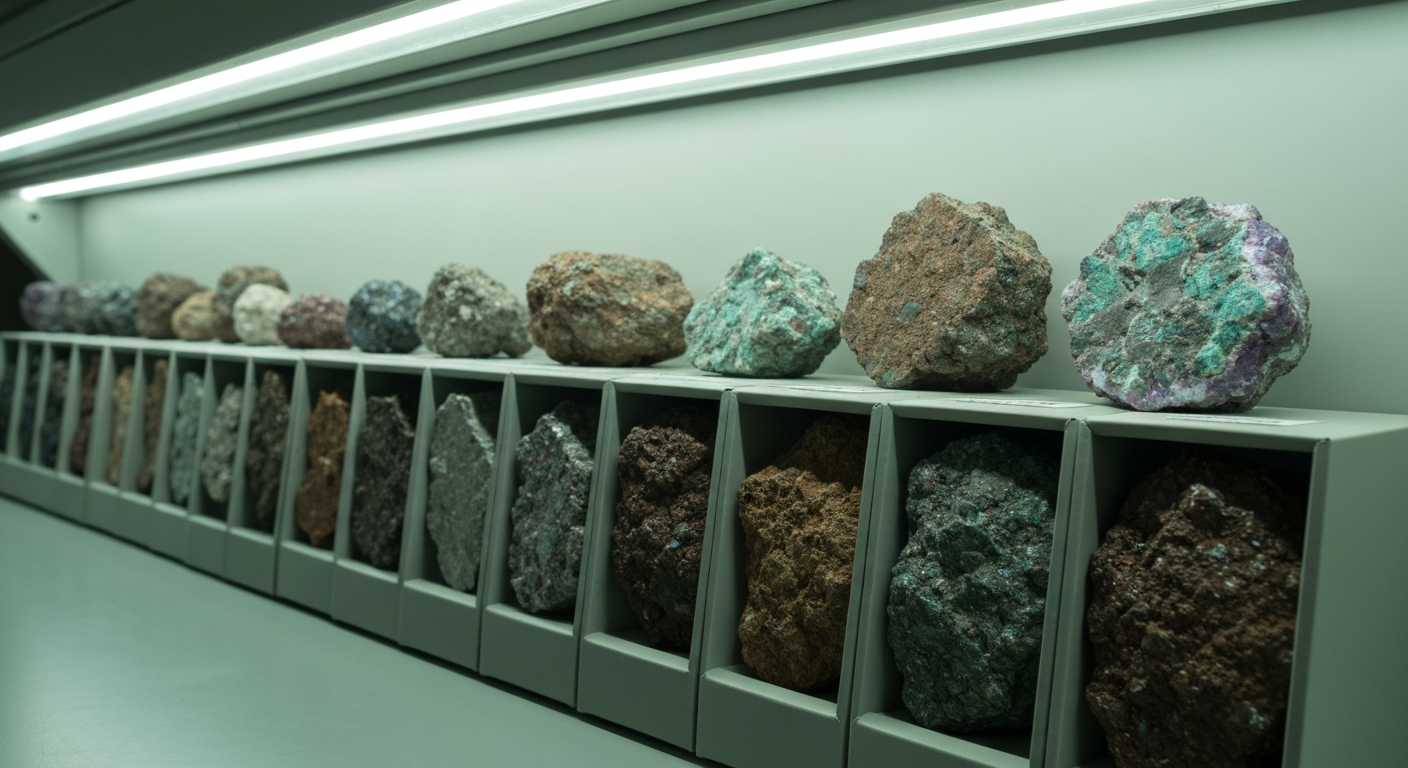
Rare earths add a wrinkle. The chemistry is brutal. Separating rare earth oxides from each other requires elaborate refining. High-grade ore runs through this gauntlet more efficiently. Lower throughput means lower processing costs per kilogram of finished product. The math favors concentration twofold: less mining cost per unit plus leaner processing expense. When commodity prices fall, high-grade deposits retain margin. Low-grade ones collapse.
| Characteristic | High-grade project | Large-volume project |
|---|---|---|
| Grade (TREO) | Above 1% | Below 0.5% |
| Tonnage | Low to moderate | Very high |
| Mining cost per tonne of metal | Lower | Higher |
| Initial capital requirement | Modest | Substantial |
| Margin resilience | Survives price declines | Vulnerable to downturns |
| Typical form | Concentrated ore bodies | Disseminated deposits |
Drilling announcements move markets, but results move slowly
Stock markets often react to drilling announcements before a single hole breaks ground. The reaction prices in expected new information, not actual results. A program of 3,300 meters across nine holes serves multiple purposes. It extends known zones at depth, potentially upgrading an “Inferred” resource to “Indicated” status. It tests new targets identified by geophysical work. It yields ore samples for metallurgical testing.
What it does not do is prove economic viability. Drill results show grades and thicknesses at specific locations. A bankable feasibility study—the step required for financing—typically takes years and demands substantial additional spending. A positive early result resembles a Phase I drug trial success: real news, but the runway to commercialization remains long.
What this means for your investment
High-grade projects carry lower economic risk during price downturns. They also tend to be smaller and may require novel metallurgical solutions. Large-volume projects generate outsized profits in bull markets but bleed cash in slumps and demand enormous upfront capital.
For junior explorers, drilling results are the primary share price driver. Understanding this helps investors separate real progress from momentum. The question worth asking is not “How high is the grade?” but rather “Where is this project in the progression from geological estimate to economic development, and what comes next?”
Key terms for rare earth investors
- TREO (Total Rare Earth Oxides)
- The combined content of all rare earth elements expressed as oxide equivalent, typically shown as percent or grams per tonne. The standard metric for comparing projects.
- HREE and LREE
- Heavy and Light Rare Earth Elements. HREEs like dysprosium and terbium are scarcer, pricier, and essential for premium magnets. LREEs like lanthanum and cerium are cheaper and more abundant.
- Inferred Resource
- The lowest resource category under NI 43-101. Based on sparse data and carries high geological uncertainty. Not equivalent to a reserve.
- Indicated Resource
- Intermediate resource category with denser data than Inferred. Sufficient for preliminary economic studies, but not yet a reserve.
- Diamond drilling
- A core drilling method using a diamond-tipped bit to extract continuous rock samples. Provides detailed geochemical sequences.
- Metallurgical testing
- Chemical processing to separate and purify rare earths from ore. Particularly demanding and expensive for REEs. A critical cost variable in project economics.
- Jurisdiction risk
- Political stability, regulatory clarity, and infrastructure. Projects in stable regions like Canada often command higher valuations.
⚠️ Important notice: This article is for informational and educational purposes only. It does not constitute investment advice, a recommendation, or a solicitation to buy or sell any security. Investments in small-cap exploration and mining companies carry a high risk, including the potential total loss of capital. Before making any investment decision, consult a registered financial advisor and conduct your own analysis. Boersen Post Team is not responsible for decisions taken based on the content published here.