Metallurgy Decides: When Ore Is Not Yet a Commodity
June 8, 2026Joint Ventures in Mining: How Small Caps Share Risk and Capital
June 8, 2026
Declared Dead, Still Alive — The Lithium Market in Transition
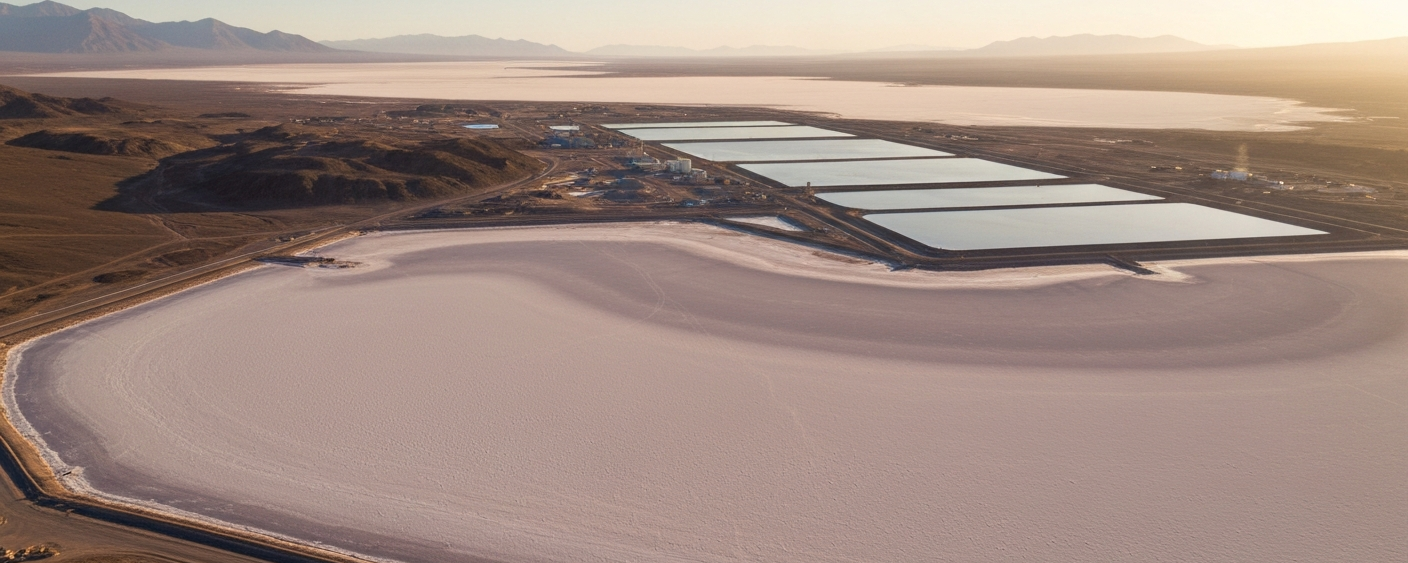
Few commodity markets teach as much as lithium. Just a few years ago, this lightweight metal seemed like the obvious winner in the energy transition. Electric vehicles, battery storage, mobile devices — lithium appeared essential. Prices rocketed to record highs, lifting the valuations of exploration companies on the Australian Securities Exchange (ASX) along with them. Then the market reversed. Oversupply, weakening Chinese demand, and disappointing EV sales figures pushed lithium prices sharply down.
Today, sentiment is shifting. Interest in lithium small caps on the ASX is returning. For newer investors, this offers a useful lesson: it shows how the same pattern repeats across commodity markets regardless of whether it is lithium, copper, or another metal in focus.
The commodity cycle: supply and demand in practice
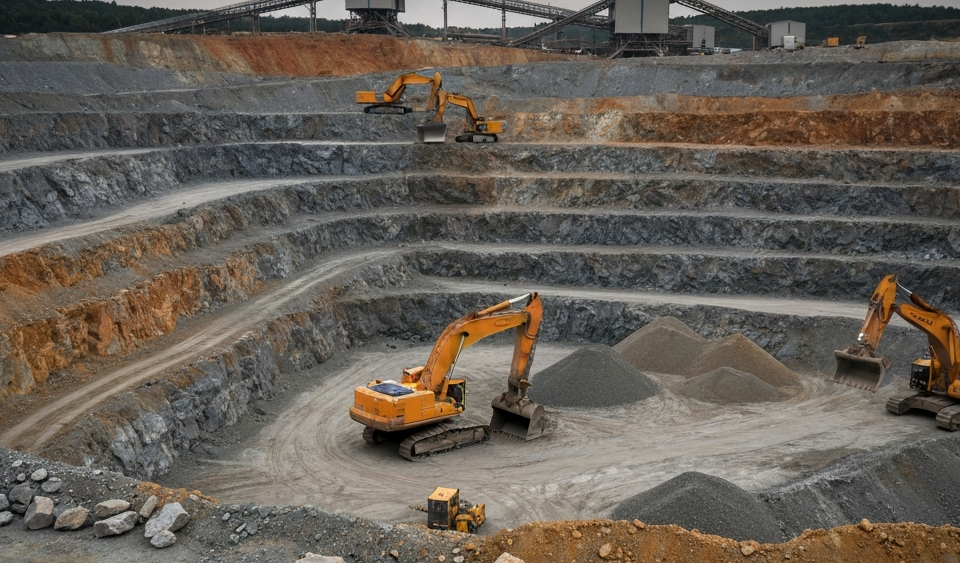
Commodity markets follow a basic logic. When prices rise, companies invest heavily in new production. That capacity takes years to reach the market though, because discovering ore, developing a mine, and starting production typically takes five to fifteen years. By the time new supply arrives, demand has often cooled. Prices fall when oversupply meets softer appetite.
Lithium went through exactly this sequence. The 2020–2022 boom drew enormous investment into new projects worldwide. As those mines gradually began operating, their output collided with weaker demand than expected, and prices dropped sharply. Many junior explorers on the ASX lost most of their market value.
With prices low, contrarian investors are now hunting for companies that survived the downturn and could gain significantly if lithium recovers. The ASX is where this strategy often plays out, because the exchange hosts a large number of junior explorers working in lithium.
Why the ASX dominates lithium small caps
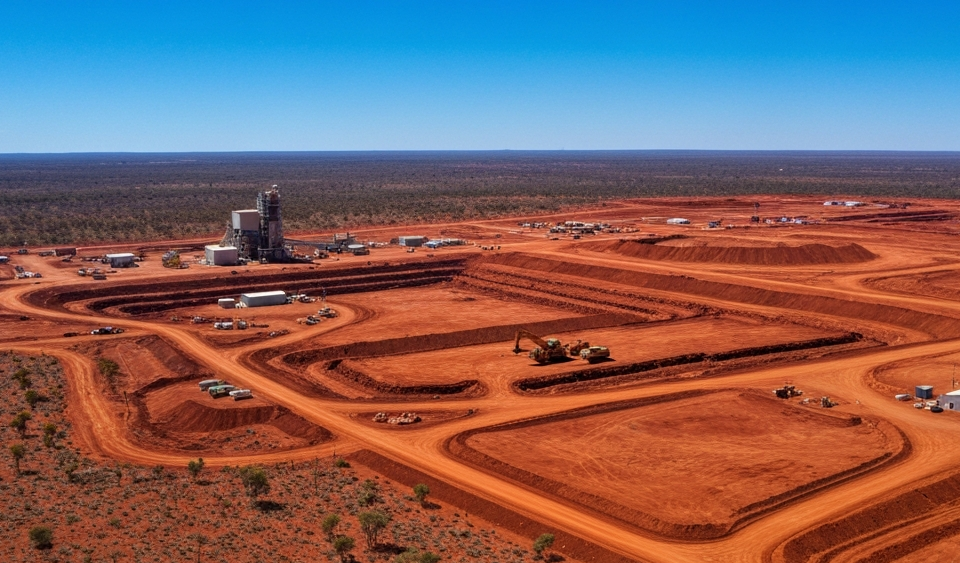
The Australian Securities Exchange has become the world center for commodity small caps over many decades. This reflects several structural facts: Australia holds some of the world’s largest lithium deposits, it has deep expertise among geologists and mining engineers, and its regulations allow small exploration firms to go public more easily than many other countries permit.
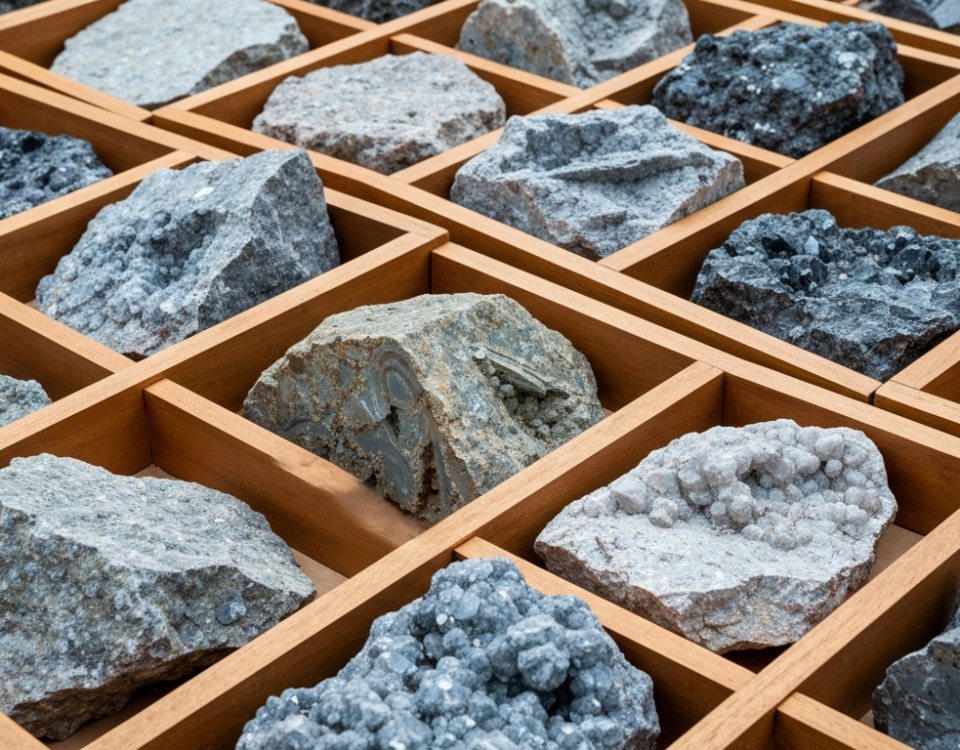
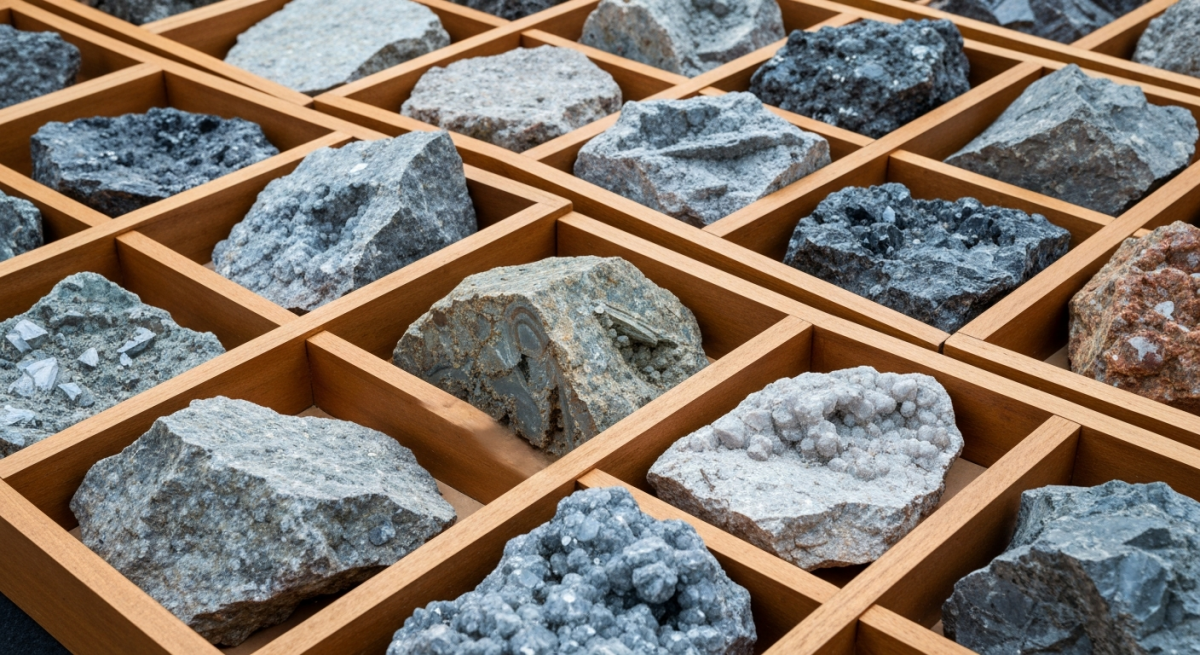
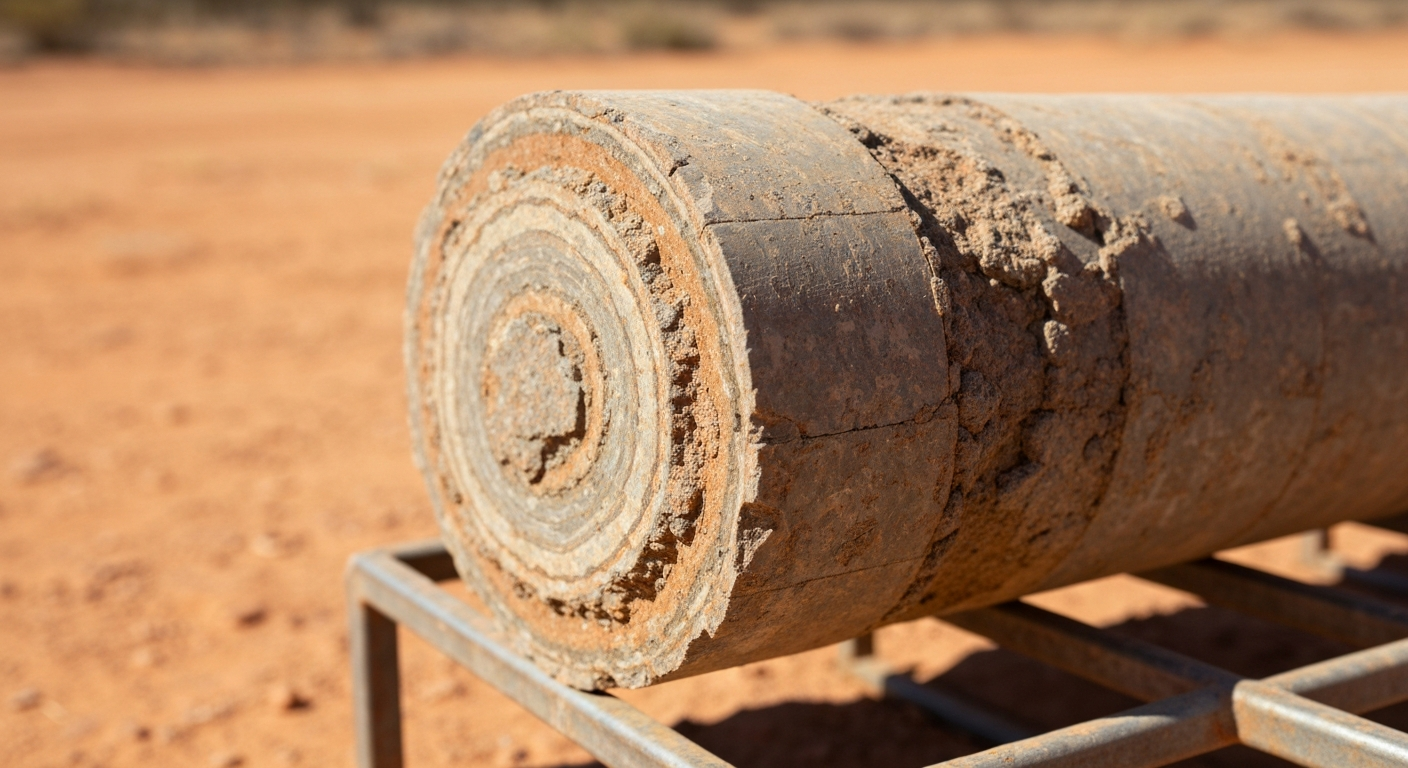
A typical ASX lithium junior is not a mining company producing ore. It owns exploration licenses, drills holes, tests rock, and tries to prove that economically worthwhile lithium exists in its project area. Value is not built through sales revenue but through the gradual strengthening of resource confidence. A company progresses from early indications to a certified resource estimate that meets international standards.
This business model has one crucial consequence: valuations depend far more on what investors expect lithium to be worth in the future than on the current price. If the market believes lithium will recover in three to five years, explorer shares rise today, well before any lithium has actually been produced.
| Characteristic | Junior explorer on ASX | Established producer |
|---|---|---|
| Revenue | Little to none | Regular sales revenue |
| Risk | Very high | Moderate to high |
| Price sensitivity | Reacts to expectations | Reacts to spot prices |
| Share price potential | Very large in both directions | Limited but more stable |
| Financing | Capital raises, dilution | Cash flow, debt |
Early signals and the timing problem
What is happening right now? ASX trading data shows higher volumes in lithium small caps. Media coverage is increasing. Some analysts are suggesting the lithium price has bottomed. These are soft signals: not firm facts, but early signs that sentiment might be turning.
Consider an analogy. Fields have been dry for months. Farmers are pessimistic. Then weather forecasters announce rain before any drops fall. Grain futures begin to rise. Commodity markets work this way. Expectations move prices before reality arrives.
This creates a timing problem for small cap investors. Enter too early and you may wait years for a recovery that never comes or arrives much later. Enter too late and you pay already-high valuations. Diversification and gradual position building can reduce this risk, but they cannot eliminate it.
Another comparison is apt: a junior explorer resembles a lottery ticket with an expiration date. A successful discovery can multiply a share price many times over. Most exploration projects fail, and drilling capital is largely lost. The difference from an actual lottery: experienced investors can examine management quality, geology, and the project region to make sharper choices.
What lithium teaches right now
The lithium situation unfolding today is not unique. It is a real-world lesson in how commodity markets work.
Commodity cycles last. Years pass from peak excitement to price bottom. Small cap investors need patience and sober expectations. Big quick gains happen but stay the exception.
Sentiment moves before fundamentals. In junior explorers, share prices often reflect future expectations rather than what is true today. This makes these stocks volatile and hard to evaluate, even for experienced analysts.
The ASX operates by its own rules. It is not an exotic niche but a global commodity exchange. Understanding capital raises, dilution risk, and reporting requirements helps investors spot real opportunities.
When lithium recovers, the gains will not spread evenly. Companies with better geology, stronger management, and sounder balance sheets will outperform. Those carried only by sentiment will fall again. That distinction matters most for anyone serious about investing in this part of the market.
Key terms for getting started
- Commodity cycle
- The recurring pattern of rising prices, heavy investment, oversupply, and price decline that characterizes nearly all commodity markets.
- Junior explorer
- A small mining company without its own production operation. Its goal is discovering and developing raw material deposits. Usually listed on the ASX or TSX-V.
- Resource estimate
- An official calculation of how much of a commodity is believed to exist in the ground, prepared under international standards such as JORC in Australia. Significantly boosts project credibility.
- Capital raise (dilution)
- The issuance of new shares to fund drilling or operations. This reduces existing shareholders’ percentage ownership and is a key risk in junior explorers.
- Soft signals
- Early, non-quantifiable indicators of a market sentiment shift, such as increased media attention or rising trading volumes. These are not yet hard fundamental data.
- Contrarian investing
- An investment strategy in which investors buy when sentiment is worst and sell when excitement peaks. Simple in theory; psychologically difficult in practice.
- ASX (Australian Securities Exchange)
- Australia’s main stock exchange, based in Sydney. It is globally recognized as a major trading venue for commodity small caps and exploration companies in lithium, gold, and copper.
⚠️ Important notice: This article is for informational and educational purposes only. It does not constitute investment advice, a recommendation, or a solicitation to buy or sell any security. Investments in small-cap exploration and mining companies carry a high risk, including the potential total loss of capital. Before making any investment decision, consult a registered financial advisor and conduct your own analysis. Boersen Post Team is not responsible for decisions taken based on the content published here.