Platinum Group Metals & Chromium: Niche Markets in Focus
June 8, 2026
Australia’s CGT Reform: What It Means for ASX Junior Miners
June 8, 2026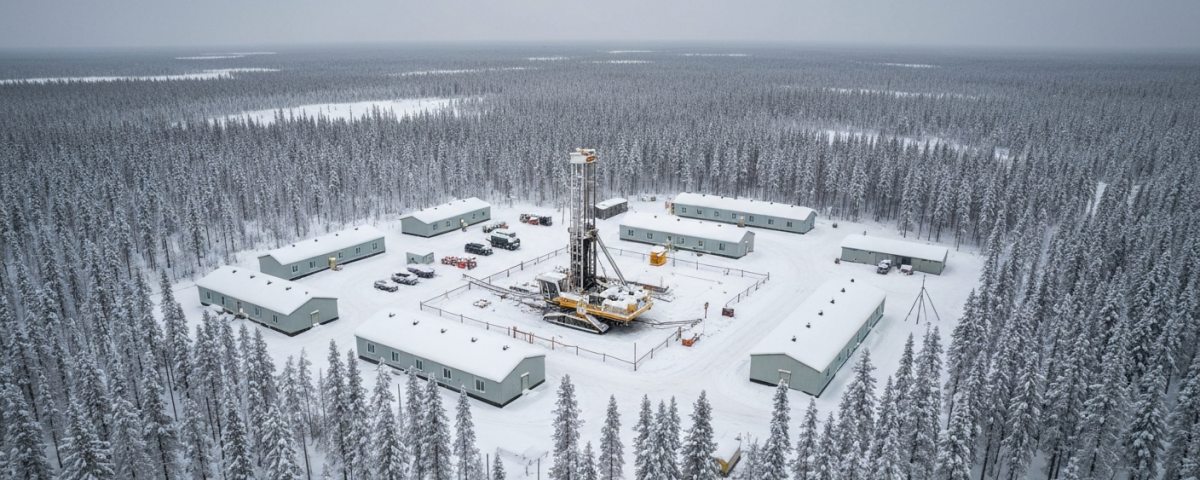
Why the Second Round Often Matters More Than the First
Investors who follow uranium projects know to watch for one particular moment: when a company moves from Phase I drilling into Phase II. Phase I programs test a geological hypothesis. Phase II campaigns have a different job. They expand confirmed anomalies, define strike lengths, and probe depths. Phase II is where a promising indication becomes concrete data.
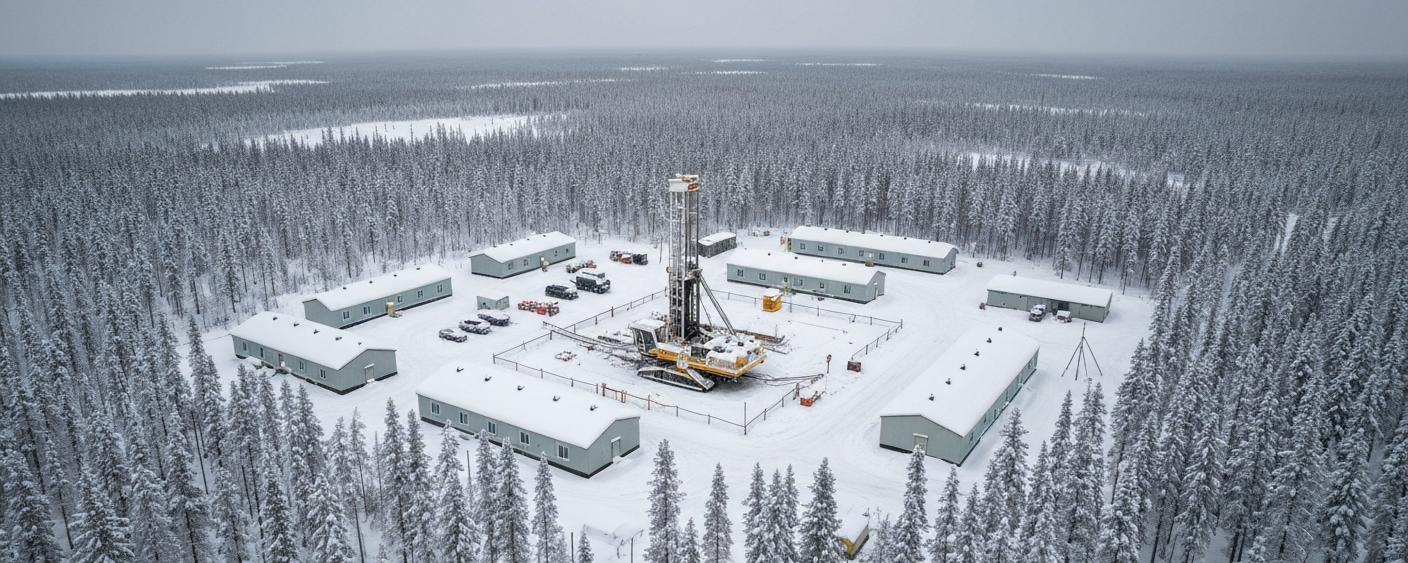
Several companies are launching Phase II programs in Saskatchewan during 2026. The Canadian province remains one of the world’s most active uranium exploration regions, and understanding what these second-phase announcements signal can help small-cap investors evaluate where a project stands.
Saskatchewan as a Benchmark for Uranium Jurisdictions Worldwide
Drilling regions differ markedly in what they offer. Saskatchewan, especially the Athabasca Basin, has been a reference point in global uranium exploration for decades. Geology here allows high-grade deposits at shallow depths. The province also provides stable regulation, an experienced workforce, and existing mining infrastructure.
For junior explorers, this matters. Political risk, unclear property rights, and regulatory shifts elsewhere force investors to demand a higher return. In Saskatchewan, that discount applies less steeply. Financing becomes easier to secure.
Consider two identical uranium anomalies: one in Saskatchewan, one in a region with unstable politics and opaque permitting. Same geology, different risk. The capital markets will value the Saskatchewan project higher because fewer institutional hurdles stand between discovery and potential production.
A company operating in a hostile jurisdiction pays for that burden through higher required returns and slower capital access. Saskatchewan projects start without that handicap.

The Logic Behind Two-Phase Drilling Programs
Phase II announcements matter because drilling costs money. In remote Canadian terrain, the expense per meter climbs past several hundred dollars once helicopters, camps, and lab work are included. A junior explorer with modest capital doesn’t launch a second phase without reason.
Here is how the decision typically unfolds:
- Phase I produces drill cores and assay results. The geology team assesses whether grade, thickness, and spatial distribution warrant further work.
- Management weighs the results against available cash and investor appetite. Do the numbers clear the bar for Phase II?
- Phase II launches only when that hurdle is passed. The market reads this as a signal that early results were solid.
The comparison to pharmaceutical trials offers clarity here. When a company moves a drug from Phase I to Phase II, it signals that early safety data looked promising. Geology is not pharmacology, but the signal works similarly: Phase II exists because Phase I passed an internal test.
| Characteristic | Phase I | Phase II |
|---|---|---|
| Objective | Test anomaly, collect initial data | Define extent, confirm grade |
| Meters drilled | Lower (often 2,000–5,000 m) | Higher (often 5,000–15,000+ m) |
| Market signal | Curiosity, hypothesis stage | Confirmation, capital commitment |
| Budget requirement | Exploratory, higher uncertainty | Targeted, more capital-intensive |
| Follow-on potential | Dependent on results | Resource estimate becomes feasible |
How the Uranium Market in 2026 Is Driving This Cycle
Phase II programs do not happen by chance. Their appearance across Saskatchewan reflects several converging conditions.
The uranium outlook has brightened. Global energy policy now favors nuclear power as a response to decarbonization and supply security. Governments have extended operating licenses for existing reactors. Small modular reactors are moving from concept to planning stage. This long-term demand picture supports uranium price expectations, even as spot market prices swing daily.
Companies that finished Phase I drilling in 2024 and 2025 now hold results. Strong data makes capital-raising simpler. Private placements (the standard financing method for small explorers on the TSX-V or ASX) close more readily when geology looks promising.
Timing also follows the seasons. Saskatchewan drilling happens during winter months when frozen ground supports heavy equipment, and in early summer. A cluster of Phase II announcements in early 2026 reflects this calendar partly, which investors should keep in mind: not every announcement is driven by strategy alone.
What Investors Can — and Cannot — Conclude from a Phase II Signal
Phase II does not equal Phase III, and Phase III does not equal production. Mineral exploration has a high failure rate. Strong projects stall due to processing problems, insufficient ore grades overall, or exhausted capital.
What Phase II does offer is a way to measure project maturity. A company running Phase I is fundamentally different from one already executing follow-up work based on confirmed results. For small-cap analysis, where information is often scarce, this distinction helps.
Context matters too. Were Phase I assay results published? What grades and thicknesses came back? Is there a technical report prepared under NI 43-101 standards? A Phase II announcement without these basics carries little weight on its own.
Key Terms for Beginners at a Glance
- Phase II Drilling Program
- A follow-up campaign after Phase I drilling. The goal is to expand and spatially define geologically interesting zones identified in the earlier phase.
- Assay
- Laboratory analysis of drill core samples to determine metal content. Results are reported in ppm (parts per million) or percentage, and form the basis for resource estimates.
- Jurisdiction Risk
- The risk from a region’s political, legal, and regulatory environment. Stable countries such as Canada or Australia carry lower jurisdiction risk than others.
- Private Placement
- A capital raise outside public markets in which shares go directly to a limited group of investors. This is the standard financing method for junior explorers.
- TSX-V
- The TSX Venture Exchange, a Canadian stock exchange for smaller and early-stage companies, including junior mining explorers.
- NI 43-101
- A Canadian regulatory standard for disclosure of mineral resources and reserves. Reports must be written by an independent Qualified Person (QP).
- Athabasca Basin
- A geological formation in Saskatchewan known for some of the world’s highest-grade uranium deposits. It is the benchmark region for uranium exploration.
- Spot Market (Uranium)
- The market for near-term uranium deliveries, as opposed to long-term contracts. Spot prices fluctuate sharply and influence sentiment in the exploration sector.
⚠️ Important notice: This article is for informational and educational purposes only. It does not constitute investment advice, a recommendation, or a solicitation to buy or sell any security. Investments in small-cap exploration and mining companies carry a high risk, including the potential total loss of capital. Before making any investment decision, consult a registered financial advisor and conduct your own analysis. Boersen Post Team is not responsible for decisions taken based on the content published here.