Algorithms in the Field: How AI Saves Junior Miners Capital
June 8, 2026
Greenland, Rare Earths & Offtake: The New Deal Model
June 8, 2026

A continent in focus — but why now?
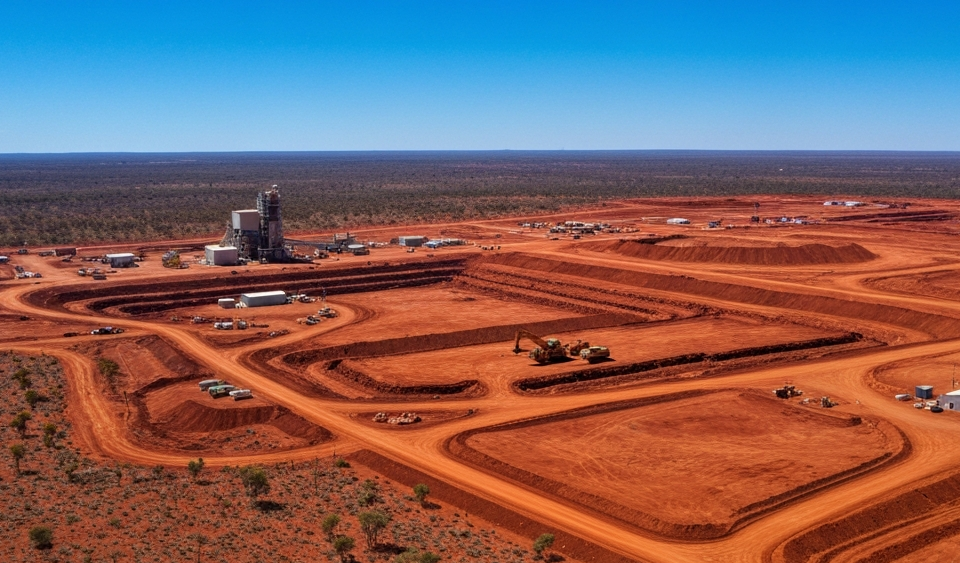
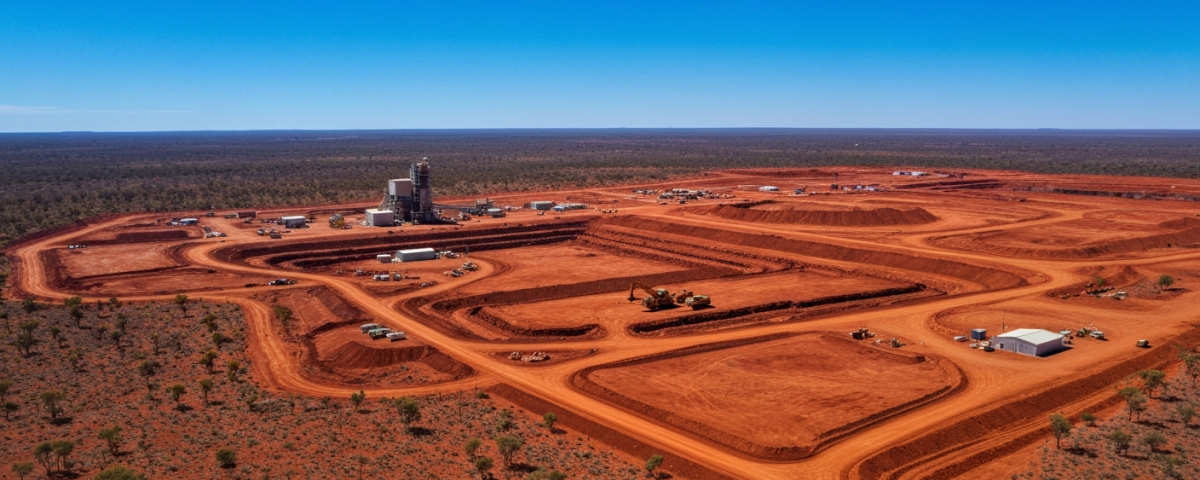
Exploration maps do not shift quickly. For decades, Australian junior miners stuck to familiar ground: their home continent, parts of Latin America, or established African mining countries. Yet in just a few quarters, a clear pattern has taken hold. More ASX-listed exploration companies are moving into Namibia — a southwestern African country that was, until recently, treated as peripheral to their strategic thinking.
The move follows basic commercial logic. Namibia offers junior explorers several practical advantages: a stable legal system, a mining code that aligns with international standards, well-documented geology with copper and gold potential, and — importantly — ground that has not been exhausted by prior exploration. For small-cap explorers, that last point often matters more than access to a busy but already-picked-over area.
This article examines why a shift into new jurisdictions is a calculated business decision, not a whim. Understanding the reasoning behind these moves helps investors assess small caps working in unfamiliar regions.
Commodity cycles and the appeal of unexplored terrain
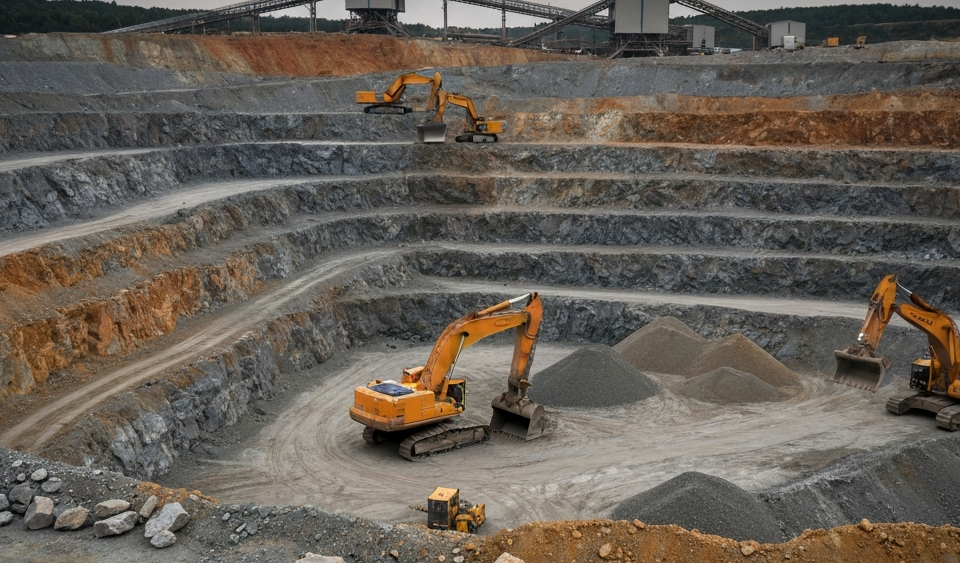
How do junior explorers make money? Not by mining metals directly, but by finding them. The model depends on identifying mineral deposits, outlining their extent, and then either developing them or selling them to larger operators.
This business is tethered to commodity cycles. When copper or gold prices climb, major mining companies start buying assets, and capital flows toward exploration projects. Two things happen at the same time: first, the most accessible and well-known exploration zones attract more competitors, which reduces returns on each new find. Second, operators begin looking at less-developed regions, where the odds of discovering an unknown system are better.
Consider a city where treasure hunters all search the same town square. The chances of finding something truly undiscovered drop with each hour. A hunter willing to travel to a quieter neighborhood faces more effort but statistically better odds of a genuine discovery. The same principle drives companies to move into new jurisdictions.
Namibia fits this profile. The Damara Belt geology is favorable for copper and gold. Yet much of the country has been explored only with old methods or at a broad regional scale. For junior miners seeking exploration rights on affordable terms, this matters.
How moving to a new jurisdiction reshapes risk
Entering a new jurisdiction is not just a geographic choice. It rewires the risk profile of an exploration company in several ways.
Political risk and discovery risk flip. In established regions like Australia or Canada, political risk stays low, but the ground is already heavily licensed and worked. In Namibia, the trade goes the opposite direction: discovery potential rises, but questions about political stability, permitting timelines, and infrastructure become real concerns.
Running operations becomes more complicated. A Perth-based junior running a Namibian project must build local partnerships, handle equipment logistics, train local staff, and comply with an unfamiliar legal system. These costs exist and are often underestimated early on.
The stock market reads the move differently depending on context. Some investors see a jurisdiction shift as a sign of growth and adaptability. Others interpret it as evidence that good projects are hard to find at home — a potential warning. Valuation swings accordingly.
| Characteristic | Established jurisdiction | Emerging jurisdiction (e.g., Namibia) |
|---|---|---|
| Political risk | Low | Moderate to elevated |
| Exploration competition | High | Low to moderate |
| Discovery potential | Limited (saturated market) | Higher (limited prior work) |
| Operational costs | Predictable, infrastructure in place | Variable, high setup costs |
| Regulatory transparency | High | Medium — still developing |
Portfolio diversification also matters. Many junior explorers hold several projects across different regions or metals, not just one. This spreads risk: if one project fails due to permitting delays or poor drill results, the company still has other operations running. A Namibia position can serve as a targeted, higher-risk allocation within that portfolio.
What the Namibia shift means for investors
The Namibia trend is part of a larger pattern. Whenever commodity prices rise, capital enters the sector, and established regions become crowded and expensive, new jurisdictions come into play. History shows similar cycles with West Africa, Central Asia, and other regions — with mixed results for early-stage projects.
For investors tracking small caps in these regions, a few practical questions help assess the risk. Does the company have local staff or trusted in-country partners? Is the mining law transparent and are foreign licenses reliably protected? Does the cash position cover at least two to three years of work without issuing new shares? What percentage of the company’s portfolio does this new project represent?
These questions do not yield yes-or-no investment signals. Together, though, they paint a clearer picture of what a jurisdiction shift actually entails. The move to Namibia is neither inherently a sign of quality nor a red flag. It is one data point that must be read alongside business model, management depth, geology, capital structure, and where we stand in the commodity cycle.
Investors who learn to read jurisdiction shifts this way — not as headlines, but as windows into a company’s strategy — gain a useful skill for evaluating small caps in whatever region becomes attractive next.
Key terms for beginners
- Jurisdiction
- The legal territory where a mining project operates. Includes local mining law, permitting rules, taxes, and political stability. One of the most important factors in valuing junior miners.
- Exploration potential
- The likelihood of finding an economically viable mineral deposit in a given area. Depends on geology, historical data, and how many competitors are already active there.
- Saturated market
- A region that has been heavily explored for commodities, with most attractive areas already licensed or assessed. Lower chances of new finds, but more predictable outcomes.
- Operational complexity
- The logistical, regulatory, and personnel challenges of running an exploration program in areas without established mining infrastructure.
- Portfolio diversification (mining)
- A strategy in which an exploration company holds multiple projects across different regions or metals to spread risk and maintain operations if one project stalls.
- Damara Belt
- A geological zone in Namibia favorable for copper and gold deposits, and thus a focus of current exploration efforts.
- Dilution
- The issuance of new shares to raise capital, which reduces the ownership percentage of existing shareholders. Common during capital-intensive exploration phases in new jurisdictions.
⚠️ Important notice: This article is for informational and educational purposes only. It does not constitute investment advice, a recommendation, or a solicitation to buy or sell any security. Investments in small-cap exploration and mining companies carry a high risk, including the potential total loss of capital. Before making any investment decision, consult a registered financial advisor and conduct your own analysis. Boersen Post Team is not responsible for decisions taken based on the content published here.