TSX Listing as a Signal: What Tungsten IPOs Mean for Supply Chains
June 8, 2026
Strategic Partnerships: What Joint Ventures Signal in Uranium Juniors
June 8, 2026
An unknown metal steps into the spotlight
Lithium, cobalt, and rare earths dominate conversations about critical raw materials. Antimony has operated mostly out of view, despite its importance in military explosive initiators, infrared optics, and flame retardants for defense systems. That dynamic is shifting. Both the United States and the European Union have classified antimony as a critical defense commodity. The complication: China controls more than 80 percent of global production, creating a supply vulnerability for Western nations.
Against this backdrop, a Canadian junior explorer released sampling results that grabbed attention. The company reported antimony grades of up to 53.7% Sb from surface samples taken from a pre-strip stockpile, plus fourteen additional samples each grading above 2% Sb. For investors new to this space, those numbers raise immediate questions: What do these values mean in practice? How do they fit into real-world supply chains? What should investors make of such announcements when evaluating small-cap explorers?
Antimony in the Western supply chain: structural shortage
Antimony (chemical symbol: Sb, from Latin stibium) is a silvery-white metalloid that rarely occurs in pure form. It is most commonly found as a sulfide mineral, primarily as stibnite (Sb₂S₃). Economically relevant deposits exist in China, Russia, Tajikistan, with smaller quantities in the United States and Australia.
Its strategic value comes from what it does: antimony trioxide functions as a flame retardant in military equipment, while antimony compounds are used in ignition systems and infrared optics. This is not a generic industrial metal but a specialist material with few alternatives.
Western domestic production barely exists. When China announced antimony export restrictions at the end of 2023 and expanded them in 2024, markets responded quickly. The antimony price climbed sharply in months. U.S. and European governments moved to treat the dependency as a security issue. In that environment, junior explorers with early discoveries suddenly become potential partners for institutional and strategic investors.
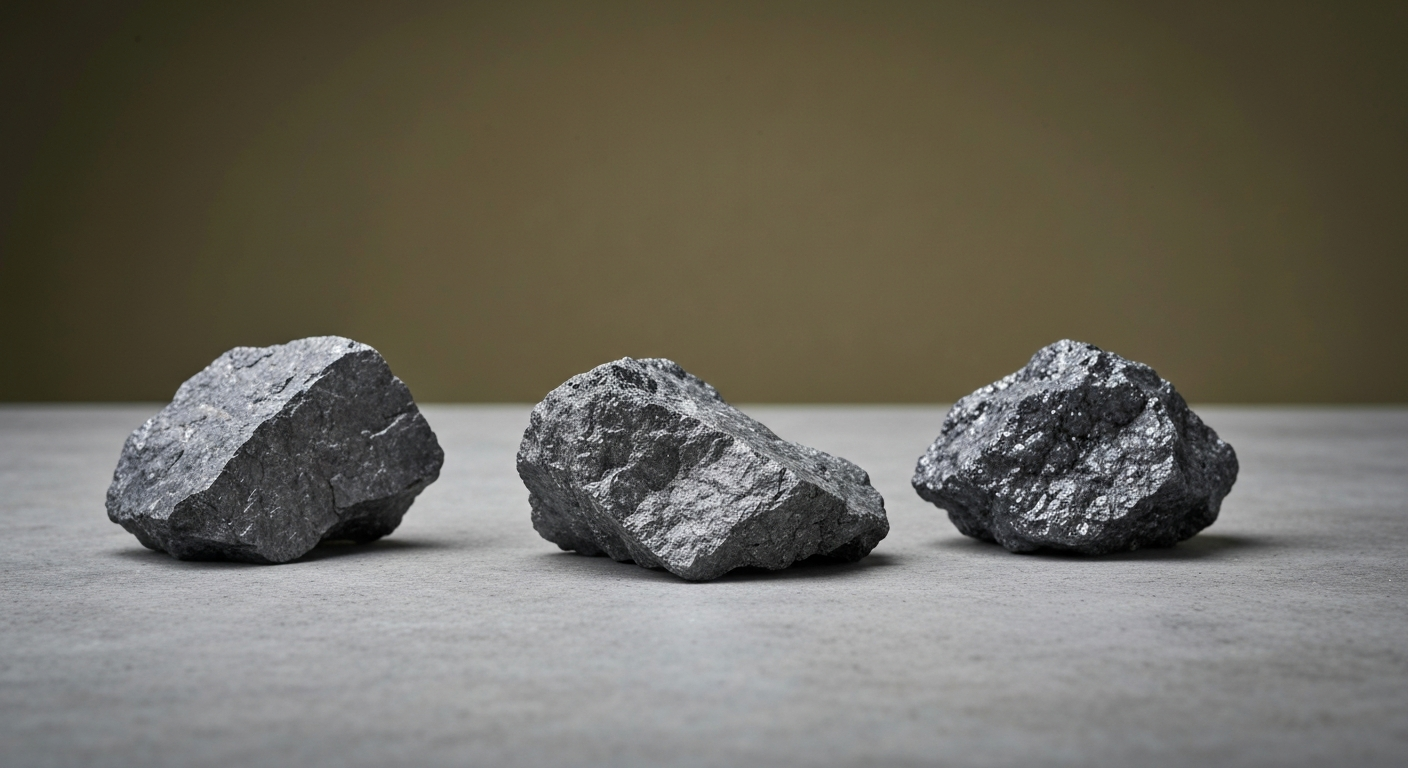
Surface samples, stockpiles, and grades: what the numbers mean
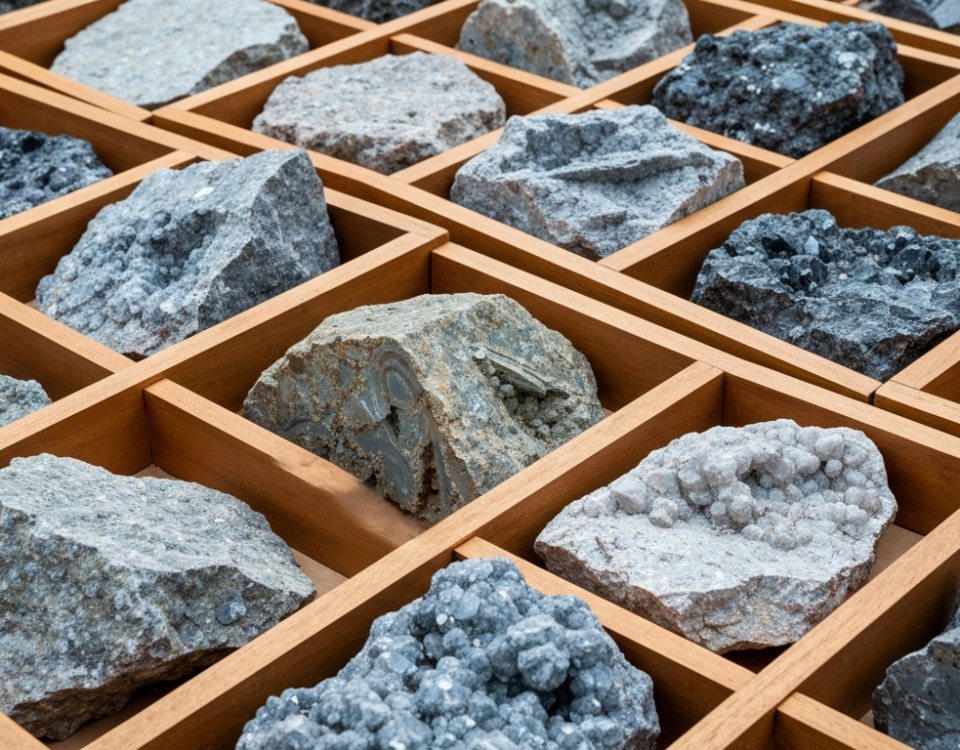
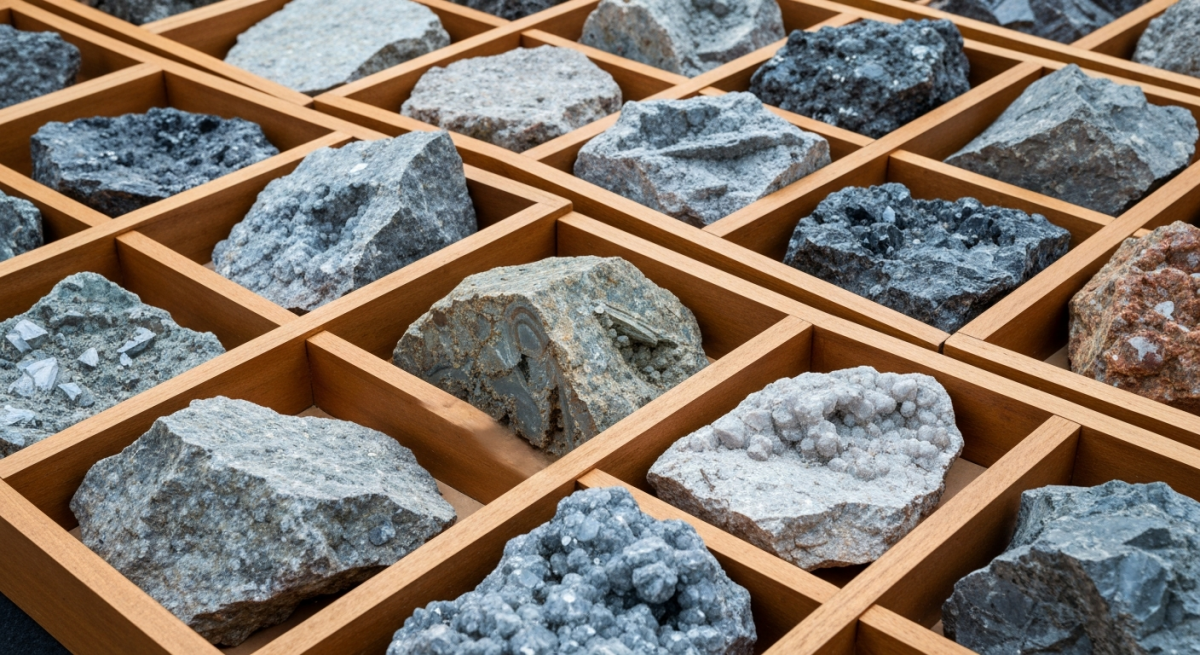
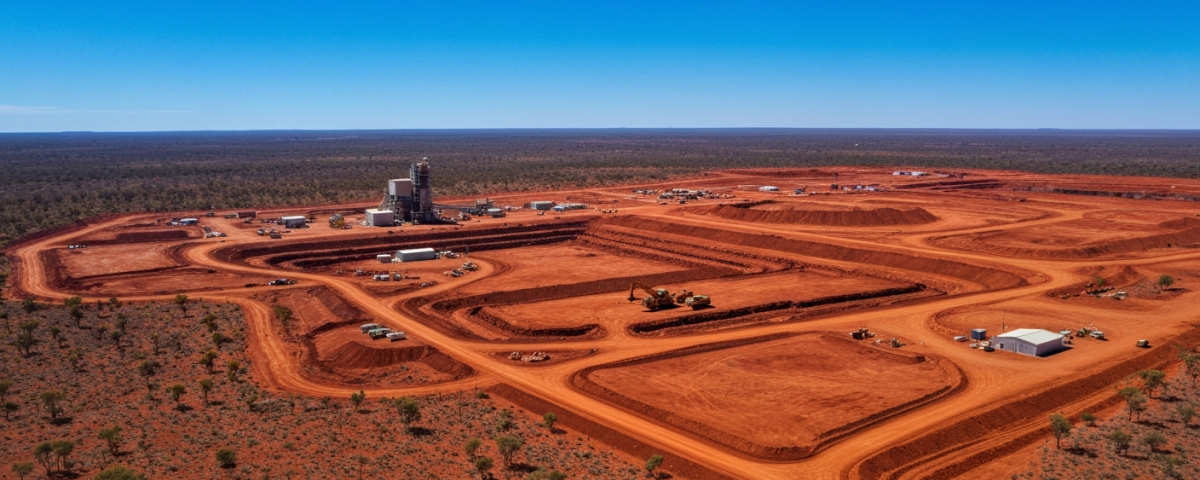
The samples in question are surface samples from a pre-strip stockpile—material generated during overburden removal that was temporarily stored on site. This material had not been put to economic use before and had not been systematically sampled.
A grade of 53.7% Sb sounds striking. Typical antimony deposits mined at industrial scale carry average grades of 1% to 5% Sb. Values well above that indicate high-grade enrichment, often called bonanza zones.
Analytical caution applies here. A prospector finding a single rich gold vein at 100 g/t does not mean the entire mine grades that way. What matters economically is area-weighted average grade, determined through systematic drilling and subsurface sampling rather than individual surface finds.
Such discoveries do have value. They reveal something about how the mineralization formed, guide where drilling programs should focus, and suggest that deeper zones merit exploration. For a junior explorer, this type of announcement amounts to an exploration signal. It does not yet establish whether production is feasible.
| Sample type | Informational value | Next step |
|---|---|---|
| Surface sample / stockpile material | Indicates local enrichment; selective, not representative | Systematic mapping, geochemistry |
| Rock samples (outcrop) | Qualitative indication of mineralization type | Drilling program for subsurface exploration |
| Drill core samples (systematic) | Basis for resource estimation under NI 43-101 | Resource calculation (Inferred → Indicated) |
| Bulk sample / pilot test | Metallurgical recoverability | PEA / PFS study |
What early-stage exploration means for small-cap investors
Junior explorers typically operate in the earliest phases of the mining life cycle. That means high risk paired with large revaluation potential if a discovery works out. With antimony, a structural element adds appeal: geopolitical demand shifts. When Western governments are building alternative supply chains and defense budgets are drafting procurement strategies, early-stage exploration projects can attract strategic partners or offtake agreements long before a formal resource (an Inferred Resource under NI 43-101) exists.
Early lithium exploration in South America during the 2000s offers a useful comparison. Many projects appeared marginal until the electric vehicle boom transformed demand. Projects positioned early in favorable jurisdictions benefited disproportionately. Whether antimony follows a similar path depends on whether Western demand actually diversifies away from China durably. That is a political question, not a geological one.
Investors assessing early exploration announcements should examine two separate questions. First, the geological level: what do the samples actually indicate? Second, the macroeconomic level: is the demand structure shifting lastingly? Both need to point in the same direction for an early-stage investment to pay off.
Early signals, sober assessment
Spectacular sample grades are routine in junior mining announcements. What has changed: the macroeconomic backdrop. A metal treated as a niche critical material for decades now appears on Western defense procurement lists. That shifts the valuation logic but does not eliminate the need for geological due diligence. High-grade surface samples count as valid exploration signals. They represent the start of a long path from initial discovery through resource definition to potential feasibility study. Understanding that progression as a whole matters more than any single press release for evaluating whether a project is advancing substantively.
The window for following such antimony developments opens early. How many of these early-stage projects will eventually reach production remains uncertain. Historically, very few do.
Key technical terms at a glance
- Surface sample
- A rock or material sample collected at the surface or from stockpiles. Provides initial indication of mineralization but is not representative of overall deposit grade.
- Pre-strip stockpile
- Material generated during overburden removal before mining begins, stored temporarily on site. May contain mineral-rich components not originally classified as valuable.
- Bonanza zone
- An extremely rich mineralization zone with grades well above average. Bonanza zones are rarely representative of the broader area and can skew statistical averages.
- Inferred resource (NI 43-101)
- The lowest recognized resource category under Canadian standards. Based on limited geological evidence; continuity of mineralization is assumed but not thoroughly demonstrated. Not to be confused with a reserve.
- Stibnite (Sb₂S₃)
- The principal antimony ore mineral, an antimony sulfide with characteristic metallic luster. The basis for industrial antimony mining worldwide.
- Critical mineral
- A commodity classified as economically and security-politically essential, while subject to high supply risk, often due to geographic concentration of production.
- Mining life cycle
- A phased model of a mining project: exploration and resource definition, feasibility studies (PEA, PFS, FS), permitting, construction, production, and closure. Junior explorers typically work in the first few phases.
⚠️ Important notice: This article is for informational and educational purposes only. It does not constitute investment advice, a recommendation, or a solicitation to buy or sell any security. Investments in small-cap exploration and mining companies carry a high risk, including the potential total loss of capital. Before making any investment decision, consult a registered financial advisor and conduct your own analysis. Boersen Post Team is not responsible for decisions taken based on the content published here.