Joint Ventures in Mining: How Small Caps Share Risk and Capital
June 8, 2026
Airborne Surveys: How Uranium Explorers Reduce Risk Before Drilling
June 8, 2026

Tungsten returns to focus
Some commodities escape investor attention for years, even when they matter strategically. Tungsten is one. It has the highest melting point of any metal at over 3,400 degrees Celsius, which makes it impossible to replace in many high-performance applications. Yet the broader investment world has given it little notice. That appears to be shifting.
Junior explorers have announced new tungsten projects and discoveries in recent weeks across North America and Australia. Many of these sites sit on or near old mines that operated in the mid-twentieth century and then shut down. The path from a press release to an operating mine takes years, but the momentum is real: tungsten has moved onto investors’ radar.
Where tungsten comes from and why that matters geopolitically
To understand why junior miners are now pursuing tungsten, the global supply structure tells the story. More than 80 percent of world tungsten production comes from China. This concentration makes tungsten a “critical mineral” in Western policy terms, a raw material whose supply is treated as a strategic risk.
The comparison to rare earths or gallium is apt. When prices stay stable and supply chains work, few people notice. Geopolitical friction or export controls change that immediately. That scenario is now unfolding across several industrial metals.
Tungsten goes primarily into cemented carbides: cutting tool edges, drill bits, and milling cutters that manufacturing cannot do without. It also matters in defense, especially armor-piercing ammunition. This split between civilian and military use gives the metal steady demand regardless of economic cycles.
How share prices react to tungsten news
When a junior explorer announces a tungsten discovery or acquires a former mining complex, the stock reaction tends to follow a pattern: initial attention, a burst in trading volume, then normalization. This happens repeatedly.
The tungsten market itself is very tight. Compared to gold or copper, few tungsten equities trade with any liquidity. Small announcements can move prices sharply in either direction. Early investors in the right project can win substantially. Those who mistime or enter late lose accordingly.
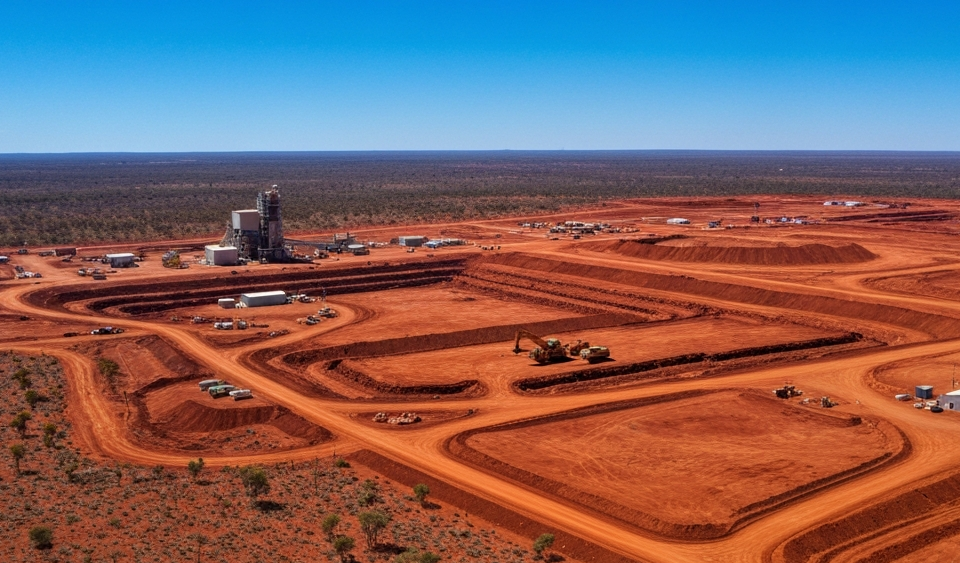
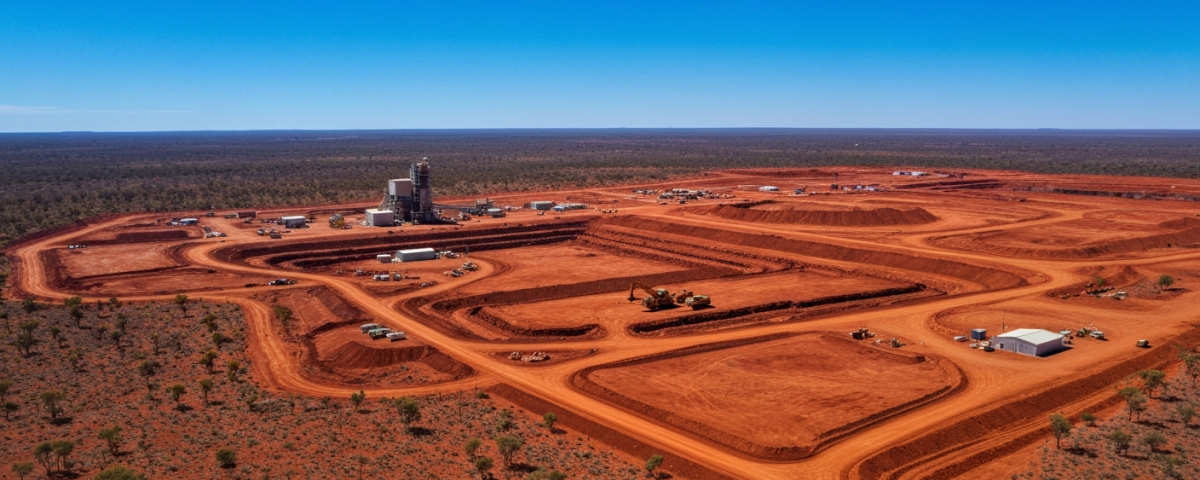
Old mining sites carry special weight. Many tungsten deposits in Nevada, Australia, or Portugal operated in past decades, then closed not from depletion but from price crashes or Chinese market flooding. These properties have become attractive again. Exploration costs have fallen, and Western governments now treat supply security as a priority.
Most junior explorers initially have no bankable resource estimates (NI 43-101 or JORC), no feasibility studies, and no infrastructure. The journey from initial discovery to production typically spans seven to fifteen years. Investors are funding an information process: each drilling campaign, each metallurgical test reduces uncertainty and shifts company value.
| Development Stage | Typical Characteristic | Risk Level |
|---|---|---|
| Grassroots Exploration | Initial geochemistry, no resource | Very high |
| Resource Definition | Drilling programs, initial estimates | High |
| Preliminary Economic Assessment (PEA) | Initial cost estimates | Medium–high |
| Feasibility Study | Bankable project evaluation | Medium |
| Construction and Production | Capital-intensive, regulatory complexity | Medium–low |
What to look for in a tungsten project
Investors new to tungsten junior explorers should understand several practical points.
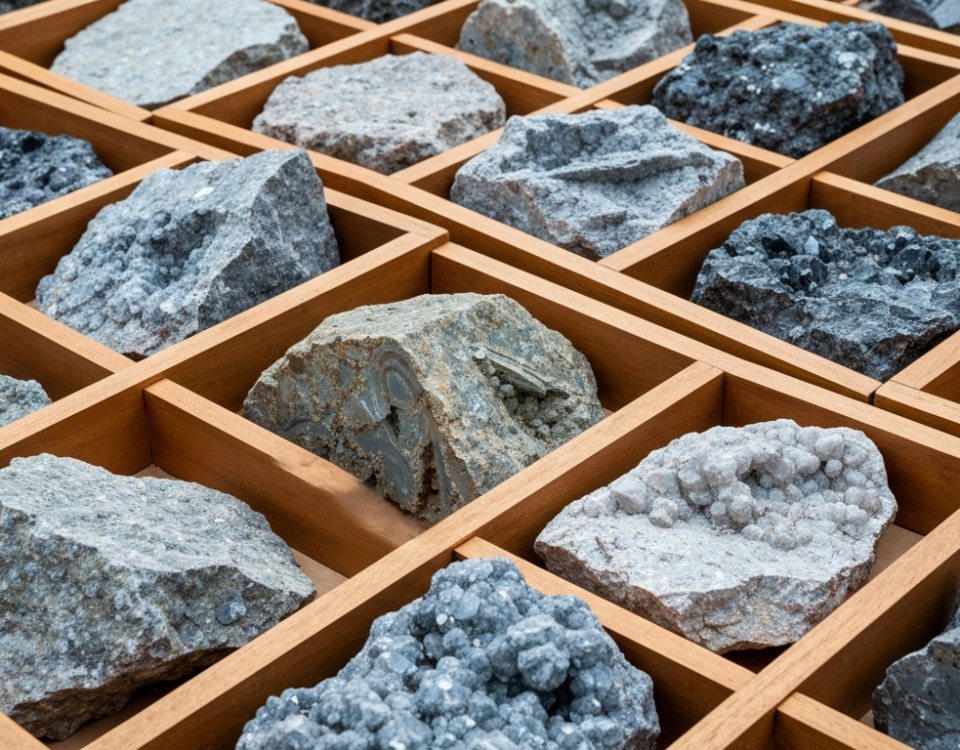
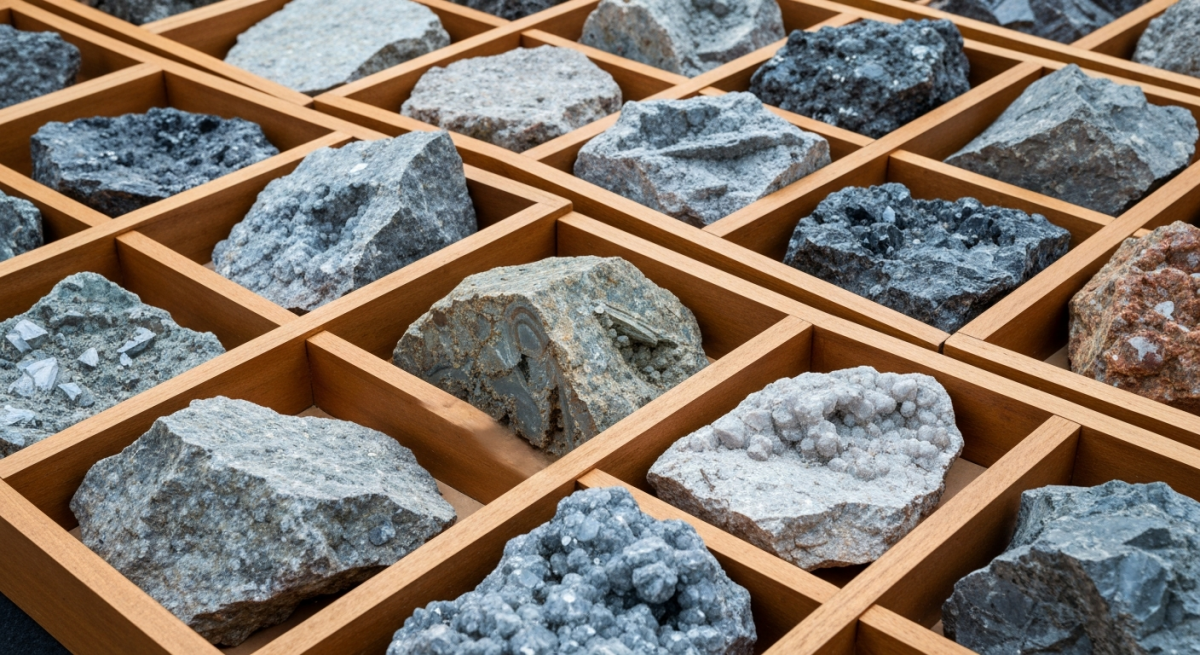
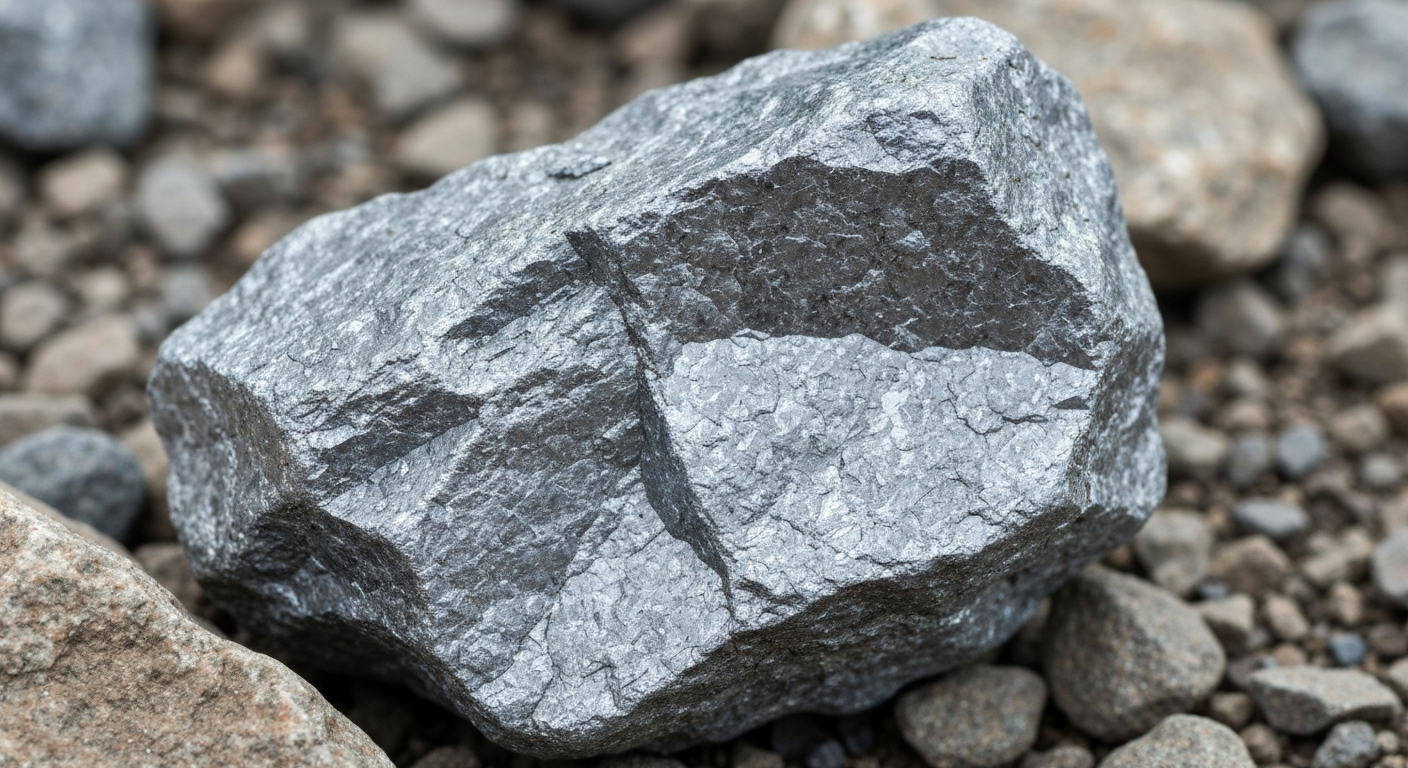
Metallurgy matters. Tungsten occurs as scheelite (a calcium tungstate) or wolframite (an iron-manganese tungstate). Each requires different processing. A high tungsten grade in the ore body does not automatically mean efficient recovery. The metallurgy determines what is actually recoverable.
Co-products change the economics. Some tungsten deposits sit alongside gold, molybdenum, or tin. These metals can improve project returns significantly if they are present, but they also add price dependency. A tungsten find in Australia with adjacent gold mineralization offers double leverage and double risk.
End markets are concentrated. Only a handful of major tungsten buyers exist globally, mostly cemented carbide manufacturers in Germany, Japan, the United States, and South Korea. Any new producer will need long-term offtake agreements with these buyers. For a junior explorer still in exploration, such agreements are future work, but early talks with potential customers matter.
Why tungsten is attracting interest now
Recent tungsten exploration activity stems from concrete factors: Western governments are diversifying supply sources, industrial demand from tooling and defense remains steady, and junior explorers face lower barriers to entry in an early-stage market.
For investors watching small-cap commodities stocks, tungsten shows how niche markets work: low public awareness means less competition from large institutions and less research coverage, but also thin liquidity. Investors who learn the geology, metallurgy, and market structure of a project gain an advantage, though not a guarantee of success.
Tungsten’s properties make it irreplaceable in its applications. Whether the current interest sustains a real production cycle depends on factors that remain uncertain. That uncertainty is precisely what mining exploration involves: a race against the unknown, backed by capital providers willing to take that chance.
Tungsten glossary for beginners
- Scheelite
- A calcium tungstate mineral (CaWO₄) commonly found in hydrothermal deposits. Scheelite fluoresces blue-white under UV light, which helps with field identification.
- Wolframite
- An iron-manganese tungstate and the second major tungsten mineral. It typically occurs in quartz veins and requires different processing than scheelite.
- Cemented carbide
- A composite material made from tungsten carbide and a binder, usually cobalt. Used for wear-resistant cutting tools, drill bits, and milling cutters.
- Critical mineral
- A raw material considered economically and strategically essential whose supply is deemed at risk. Tungsten appears on critical minerals lists from the EU, United States, and Australia.
- Offtake agreement
- A contract between a mining project and a buyer that secures future delivery of a specified quantity of commodity at agreed terms.
- NI 43-101 / JORC
- International standards for reporting mineral resources. NI 43-101 applies in Canada; JORC applies in Australia. Both require independent qualified persons and define resource categories (Inferred, Indicated, Measured).
- Co-product
- A by-product metal mined alongside the primary commodity that contributes to project economics, such as gold found with tungsten in a mixed deposit.
- Grassroots exploration
- The earliest exploration stage in which an area is examined for the first time, typically using geochemical sampling or geophysical surveys, with no confirmed resource.
⚠️ Important notice: This article is for informational and educational purposes only. It does not constitute investment advice, a recommendation, or a solicitation to buy or sell any security. Investments in small-cap exploration and mining companies carry a high risk, including the potential total loss of capital. Before making any investment decision, consult a registered financial advisor and conduct your own analysis. Boersen Post Team is not responsible for decisions taken based on the content published here.