Chile as a Copper Jurisdiction: Regulation, Water Rights, and Social License
July 26, 2026
Drill Permits for Uranium Juniors: What a Permit Really Means
July 29, 2026
The first concentrate shipment and what it triggers
In the life of a junior mining company, there are moments that read as routine in a press release yet move capital markets more than a resource estimate ever did. The first concentrate shipment is one of them: the company stops spending money exclusively and begins generating actual revenue. For small-cap investors, few events in the entire mine life cycle produce a more concrete shift in valuation.
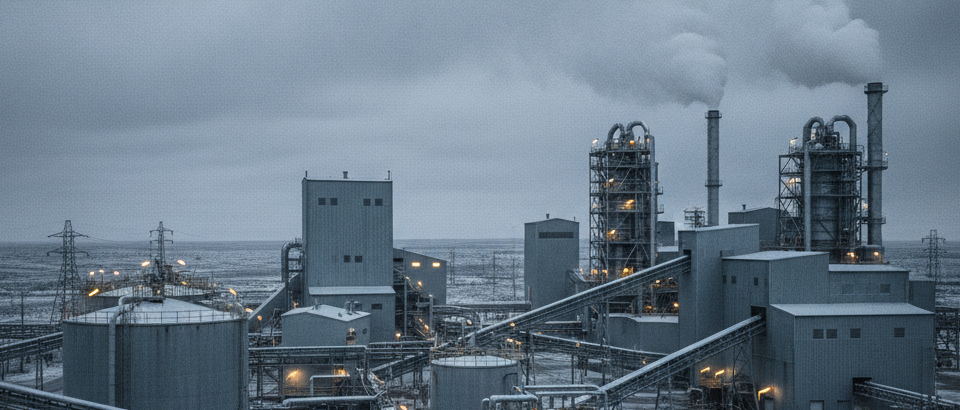
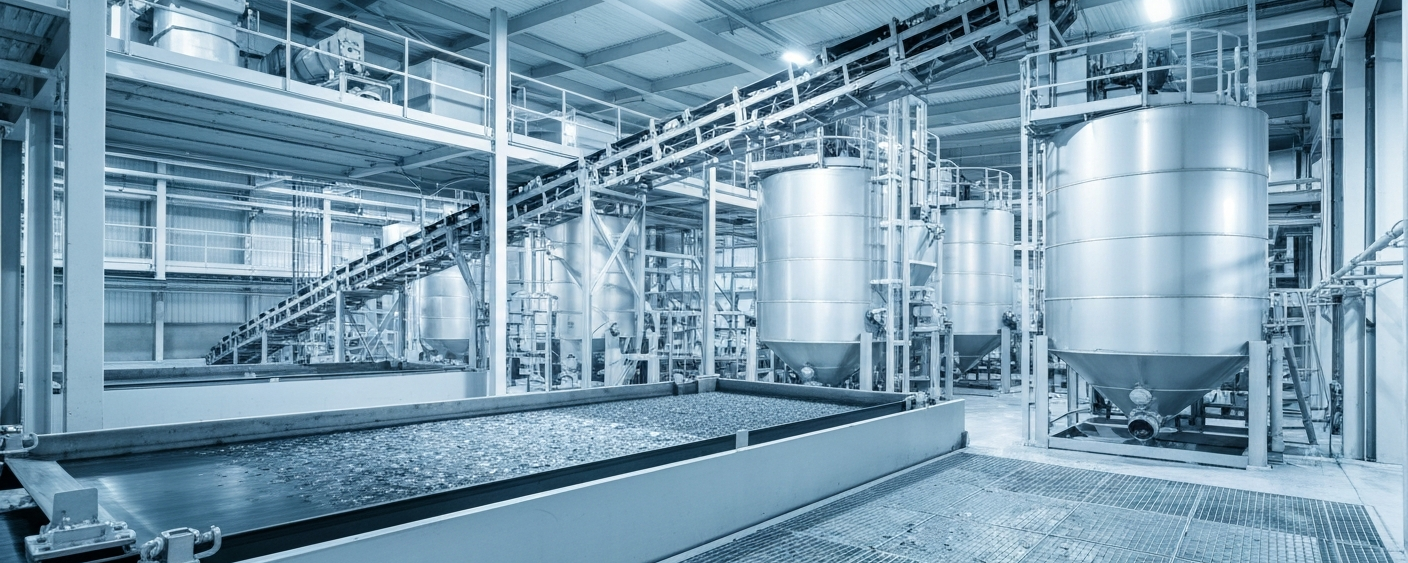
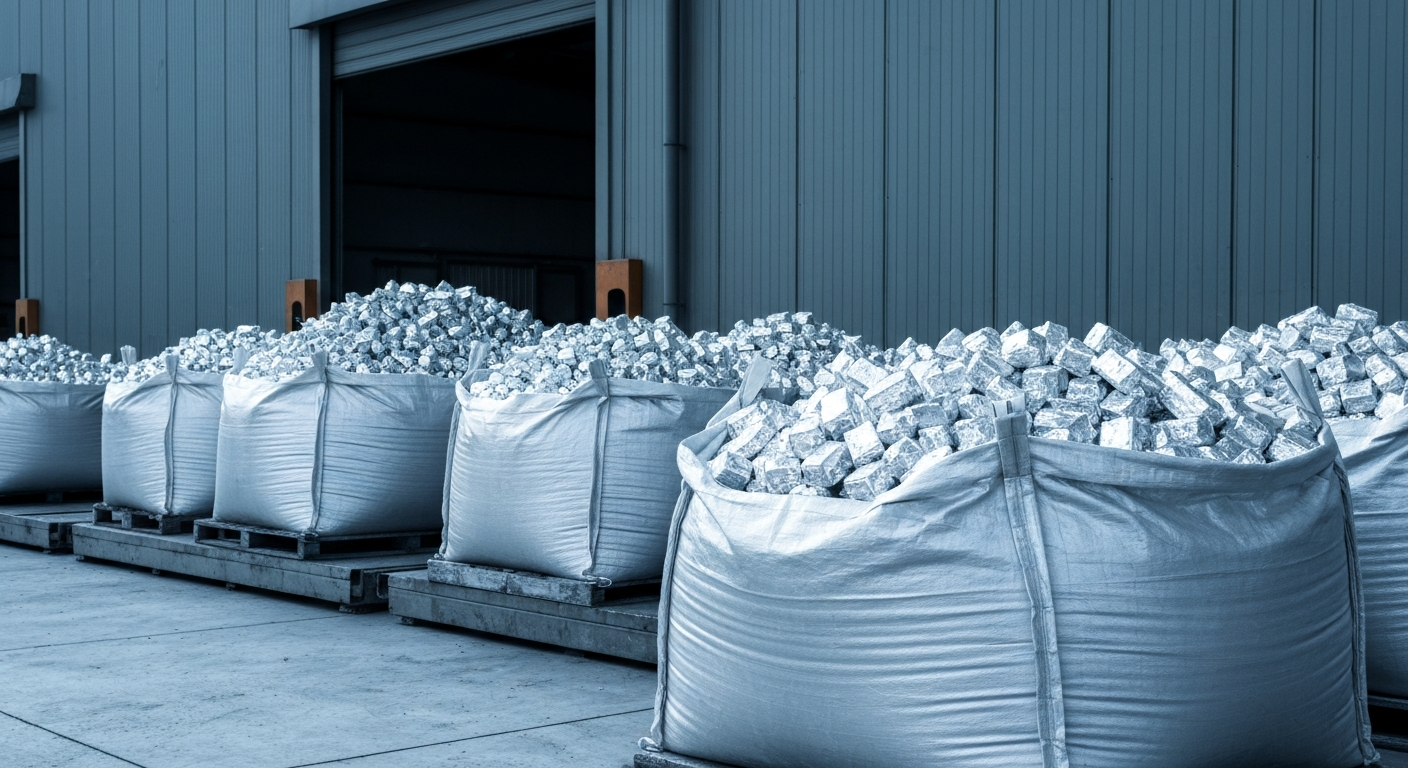
Silver concentrate comes out of a multi-stage processing sequence: ore is mined, reduced to a fine slurry, floated to separate the silver-bearing particles, and dewatered until a silver-rich powder is ready for delivery to a smelter, where it is refined into fine silver. Only when that concentrate finds a buyer and cash flows back does a company qualify as a producer. Credit facilities that were previously unavailable open up, and the pool of investors eligible to hold the stock expands.
How markets reassess a mine once it starts producing
Before production, junior miners move through two broad market phases: exploration and development. Each attracts a different class of investor and is judged by different standards. In the exploration phase, everything revolves around geological potential — resource estimates, drill results, geological models. Valuations are often anchored to speculative value per ounce in the ground. With the first sale, operational metrics take over.
For the silver sector, one additional factor matters: most silver is produced as a by-product of lead, zinc, and copper mines. A pure silver producer is rare, and the market tends to price that scarcity in.
Cash costs and AISC: metrics that only exist once ore is being sold
Before a company mines ore, its operating costs remain theoretical. With the first sale, two metrics become real:
- Cash costs: The direct costs per ounce of silver produced, quoted in U.S. dollars per troy ounce. These cover mining, processing, transport, and smelter fees (Treatment Charges / Refining Charges, TC/RC).
- AISC (All-In Sustaining Costs): A wider figure that adds general and administrative costs, sustaining exploration, environmental costs, and sustaining capital investment. The World Gold Council developed the standard for gold; it is now widely used in silver as well.
Only with actual production data can the operating margin be calculated — the gap between the realized silver price and AISC. When the silver price sits well above AISC, the mine generates cash. When it falls below, every ounce produced costs more than it earns.
| Company stage | Valuation approach | Key metric |
|---|---|---|
| Explorer (pre-resource) | Geological potential, comparable transactions | EV per hectare of concession |
| Explorer (resource defined) | $/oz in the ground, resource multipliers | EV/oz (inferred/indicated) |
| Developer (PEA/PFS/FS) | NPV discount, project risk | EV/NPV ratio |
| Producer (first shipment) | Cash-flow-based, operating margin | EV/EBITDA, AISC, cash costs |
Where production ramp-ups go wrong
The transition to production does not automatically create value. Many junior mines run into problems during start-up that never appeared in the feasibility studies.
Metallurgical surprises: Ore can prove significantly harder to process than anticipated. A lower-than-planned silver recovery rate pushes the effective cost per ounce up considerably, and that gap rarely closes quickly.
Ramp-up losses: Almost no mine hits its planned throughput in the first quarter. Equipment is broken in, personnel are trained, and logistics have to be worked out in practice rather than on paper. Costs per ounce during this period typically run well above what the company projects at steady state — which looks like underperformance but is a normal part of any start-up.
TC/RC deductions: Silver concentrate is not sold at the spot price. Treatment Charges and Refining Charges — the fees smelters levy for further processing — sit between the sale price and the spot price. Depending on market conditions and concentrate quality, these deductions can push the realized price per ounce well below spot.
How the capital structure changes
Before production, a junior miner relies almost entirely on equity. Dilutive capital raises are normal during the exploration phase. Once cash flow exists, that changes.
Streaming and royalty agreements — structures in which a financial investor provides upfront capital in exchange for future metal deliveries at a discount to market — require an operating mine. Secured working-capital facilities follow the same logic: a company with revenues on its books borrows on terms that pre-revenue companies are simply not offered, which reduces dilution for existing shareholders.
The mandate barrier matters too. Once first production is confirmed, funds that were previously restricted from holding the stock can take positions. That has nothing to do with the silver price — it follows directly from the company’s new status.
Key terms around the production start
- Concentrate
- The intermediate product of ore processing, created after crushing, grinding, and flotation. It contains silver, lead, zinc, or other metals in enriched form and is sold to smelters for final refining.
- Cash costs
- The direct operating costs per unit produced (e.g., per ounce of silver). They include mining, processing, and transportation costs as well as smelter fees, but exclude capital expenditures and general and administrative costs.
- AISC (All-In Sustaining Costs)
- A cost metric that, beyond cash costs, includes general and administrative expenses, sustaining capital investment, and sustaining exploration expenditure. The standard benchmark for comparison in the precious metals sector.
- Treatment Charges / Refining Charges (TC/RC)
- Fees charged by smelters for processing concentrates. They reduce the producer’s realized price relative to spot and are a central variable in project economics.
- Recovery rate
- The proportion of metal contained in the ore that actually ends up in the concentrate. A recovery rate of 85% means 15% of the silver stays in the tailings and is not recovered.
- Ramp-up phase
- The start-up period following the commencement of production, during which a mine works toward its planned throughput capacity. Costs during this phase are typically above steady-state levels and volumes below them.
- Streaming agreement
- A financing instrument in which an investor provides upfront capital in exchange for the right to purchase a portion of future metal production at a predetermined price below market level.
- EV/EBITDA
- A valuation metric: enterprise value divided by earnings before interest, taxes, depreciation, and amortization. It only becomes meaningful after production starts and the company reports actual revenues and operating results.
⚠️ Important notice: This article is for informational and educational purposes only. It does not constitute investment advice, a recommendation, or a solicitation to buy or sell any security. Investments in small-cap exploration and mining companies carry a high risk, including the potential total loss of capital. Before making any investment decision, consult a registered financial advisor and conduct your own analysis. Boersen Post Team is not responsible for decisions taken based on the content published here.