ISR Method in Uranium: Why Capital Efficiency Shapes the District
June 15, 2026
E-Waste as a Raw Material Source: What Dysprosium Recovery Reveals
June 15, 2026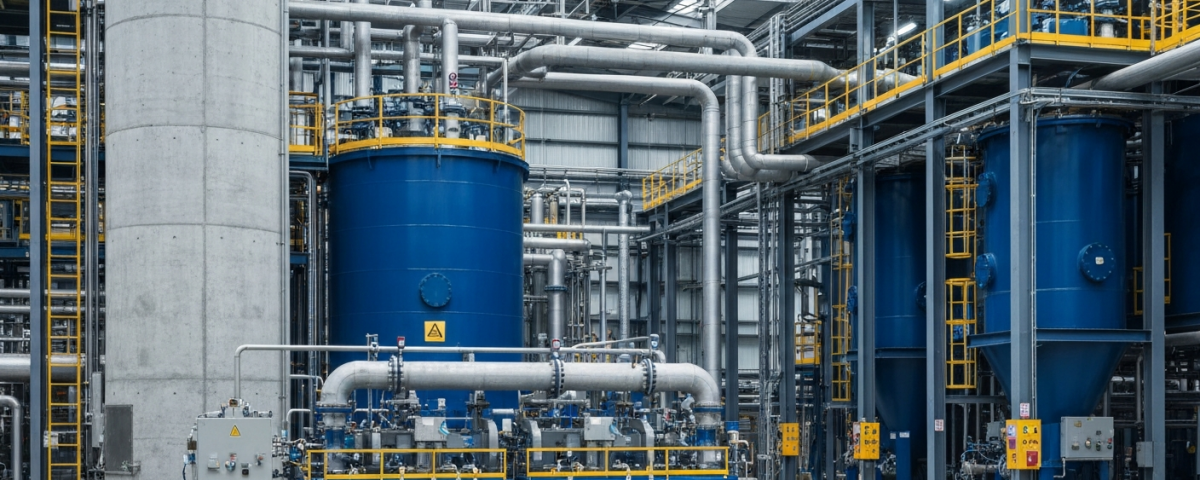

From rock to battery: a long road with real margin
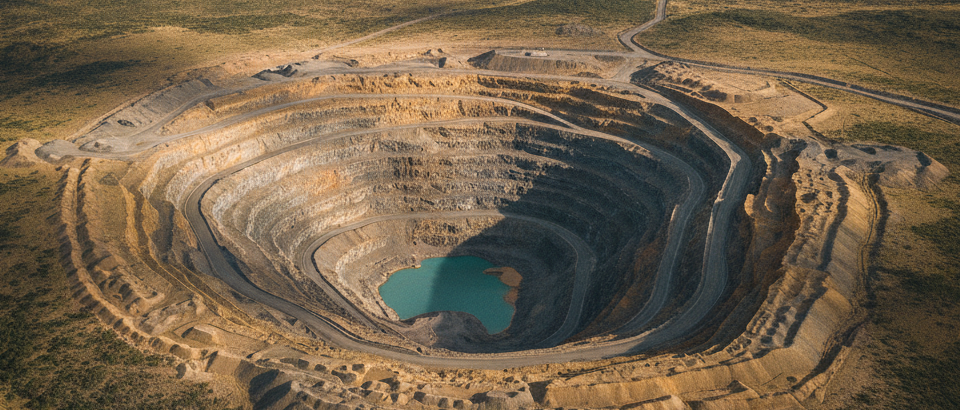
In lithium junior mining, work traditionally ends at a specific point: ore out of the ground, or brine pumped from the salar. The finished product, lithium carbonate or lithium hydroxide in battery grade, comes from refineries in China, South Korea, or Japan. That arrangement is now under pressure. Western governments, automakers, and battery cell manufacturers are actively looking for alternatives to Asian processing infrastructure. For junior miners, a practical question follows: is a good deposit enough, or does a company also need to map out the processing path all the way to a saleable end product?
So-called concept studies address exactly this. They guarantee nothing, but they are a useful tool for working through the step from raw material extraction to value-added processing in a structured way. A Canadian junior recently published such a study for its lithium hard-rock project, laying out a possible refining route to battery grade, and the episode illustrates how these studies can change how the market reads a project.
Processing as bottleneck: why refinery access has become the key question
The lithium supply chain breaks into four broad stages: exploration and resource delineation, mining, processing into an intermediate product such as concentrate or spodumene pellets, and refining into a battery-grade end product. Western junior miners have historically operated in the first two. The refining stage barely exists in North America or Europe.
That is not an accident. Refineries require heavy capital, chemical process knowledge, and years of operational experience. China built that advantage over decades. The International Energy Agency put more than 60 percent of global lithium refining capacity inside China in its most recent annual update — worth checking directly, since the figure shifts year to year. That concentration leaves Western supply chains exposed.
For junior miners willing to examine their own processing pathway early, there is a practical opening: a company that can show not only a resource but also a production route through to battery grade addresses a gap that industrial buyers and governments are actively trying to fill.
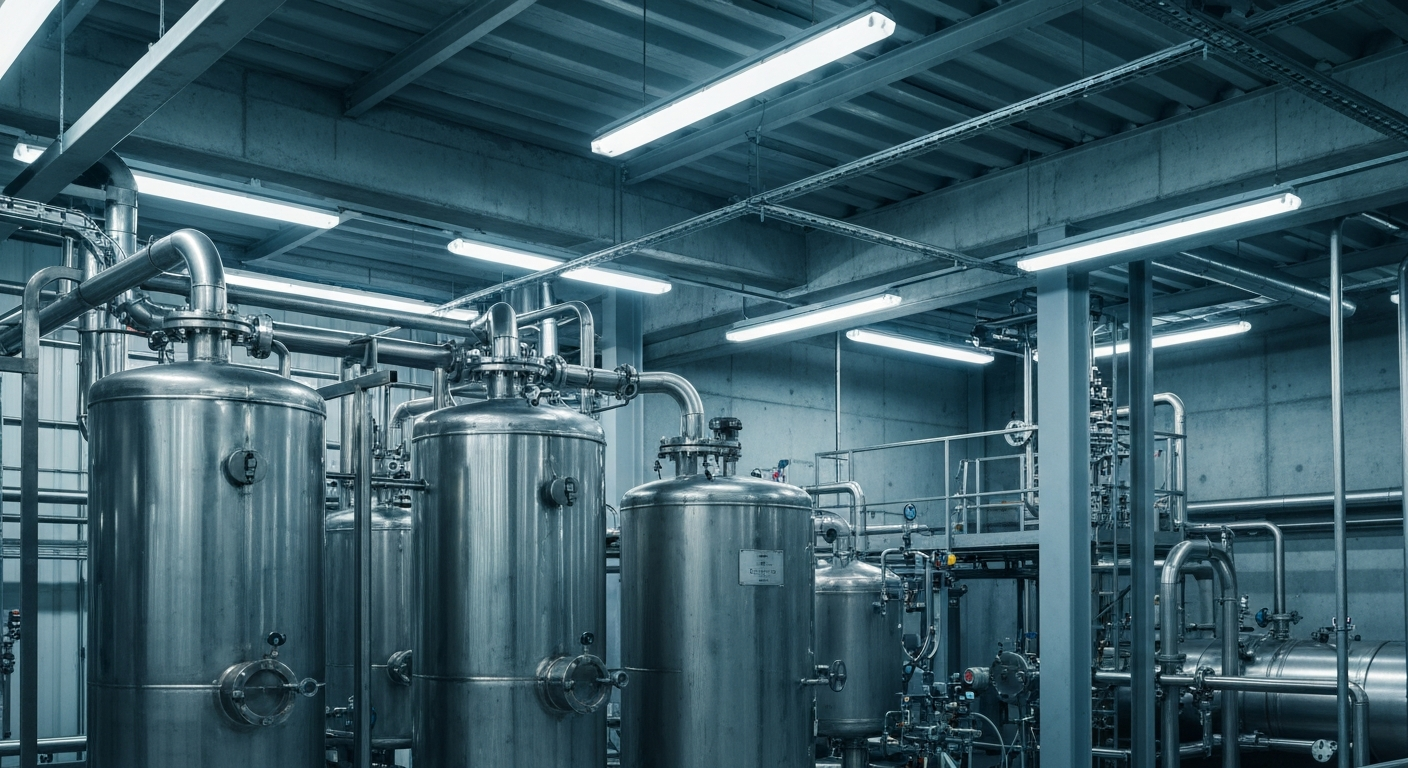
What a concept study delivers, and what it does not
A concept study is the earliest formalized economic assessment for a specific processing pathway. It is less detailed than a scoping study or a Preliminary Economic Assessment (PEA), but it gives an initial engineering read on whether a process route is feasible and roughly plausible on costs — with a margin of error around ±40–50%.
If project maturity stages are imagined as a staircase, the concept study sits on the bottom step. At the top, just before a production decision, sits the Bankable Feasibility Study. The PEA and the Pre-Feasibility Study stand in between, each adding more engineering depth, higher study costs, and a tighter error margin.
| Study type | Level of detail | Typical cost accuracy |
|---|---|---|
| Concept study | Very early stage | ±40–50% |
| Scoping study / PEA | Early stage | ±25–35% |
| Pre-feasibility study (PFS) | Intermediate | ±15–25% |
| Feasibility study (FS) | Advanced | ±10–15% |
That classification matters for investors. A concept study is not a production commitment. It tests whether a pathway is technically plausible and economically defensible at a rough level — nowhere near the precision needed for a billion-dollar investment decision. Its value is in strategic communication and early identification of process risks.
In practice: when a junior publishes a concept study showing that its concentrate can in principle be refined to battery grade, that is a signal to industrial buyers and capital markets. It says the company is thinking past the mine gate. That can open conversations with potential offtake partners or government funding bodies.
Why downstream capacity matters for junior miners
The market responds to these studies for reasons that are fairly concrete.
One tonne of spodumene concentrate (SC6) fetches a fraction of what one tonne of battery-grade lithium carbonate does. A company that produces the end product captures value much further up the margin curve, which raises the calculated net value of the project under a positive study scenario.
Battery cell manufacturers and automakers want suppliers who can deliver processed materials. A company that can show a processing pathway is taken more seriously as a potential supplier, even if production is still years away. And funding programs such as Canada’s Critical Minerals Infrastructure Fund or the U.S. DOE Loan Program tend to favour projects that build domestic processing capacity — a plausible refining pathway improves a project’s chances of qualifying.
Put simply, a company that can deliver battery-grade material sits closer to the battery plant than a pure ore producer, and that proximity matters for margins and offtake relationships alike.
What investors can actually read from concept studies
The existence of such a study says something about management priorities. A pure exploration company that talks only about drill programs is operating on a different timeline than one already working through its processing options. That is not inherently better or worse, but it is a real difference in business model.
The deposit’s chemistry also matters. Not every lithium resource suits every refining process. Hard-rock deposits such as spodumene or lepidolite need different processing steps than brine projects. A concept study should state clearly what feedstock was assumed and which process route — acid leaching, alkaline conversion, or something else — was tested.
The main risk stays constant: building processing capacity typically costs a multiple of what a mine alone requires. A junior planning both will need substantially more capital, and that usually means more dilution through future financing rounds. The study maps a route. It does not remove the obstacles on it.
Key terms in refining and project studies
- Concept study
- The earliest formalized feasibility assessment for a technical process route. Cost accuracy runs to ±40–50%. Not proof of investment readiness, but a structured first assessment.
- Battery-grade quality
- The purity standard for lithium products — carbonate or hydroxide — required by battery cell manufacturers, typically ≥99.5% purity. Achieving it requires complex chemical processing.
- Downstream
- In the commodities sector: all processing and value-added stages after actual mining. These include concentrate processing, chemical treatment, and refining into a finished product.
- Spodumene concentrate (SC6)
- A standardized intermediate product from lithium hard-rock mining with approximately 6% Li₂O content. Traded as a commodity and used as feedstock for lithium chemicals in refineries.
- Value chain
- The full sequence of process stages that transforms ore into a finished end product. Stages further along the chain generally carry higher margins but also higher capital costs.
- Lithium carbonate (Li₂CO₃)
- A common lithium end product for battery and industrial use. Alongside lithium hydroxide, one of the two main outputs of lithium refining.
- Dilution
- The reduction in existing shareholders’ percentage ownership when a company issues new shares to raise capital. Particularly relevant for juniors with capital-heavy downstream plans, where multiple financing rounds are common.
⚠️ Important notice: This article is for informational and educational purposes only. It does not constitute investment advice, a recommendation, or a solicitation to buy or sell any security. Investments in small-cap exploration and mining companies carry a high risk, including the potential total loss of capital. Before making any investment decision, consult a registered financial advisor and conduct your own analysis. Boersen Post Team is not responsible for decisions taken based on the content published here.