From Feasibility Study to First Shovel: How Multi-Metal Projects Reach Construction
June 8, 2026
M&A Wave in Gold: What Mergers Mean for Small-Cap Investors
June 8, 2026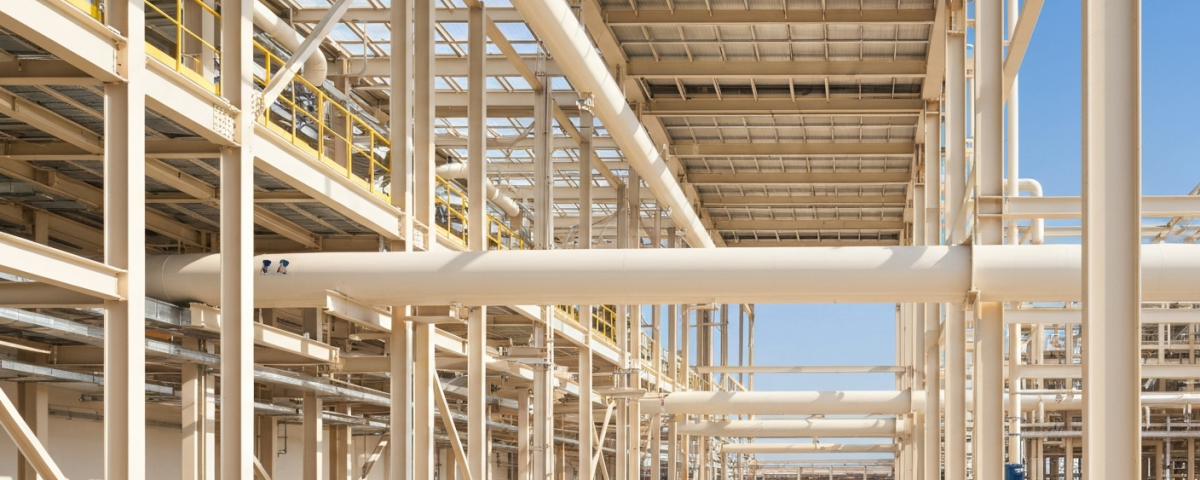
The Long Road Between Feasibility Study and Breaking Ground
In the commodities sector, a moment rarely arrives that distinguishes genuine progress from paper wins: when a small development company actually begins constructing a processing facility. For most junior projects, construction remains years away. Studies get published. Permits are applied for. Capital is raised. But awarding actual construction contracts is different. It commits real money to real equipment in real time.
Cobalt offers a useful case study. The metal is essential to lithium-ion batteries, particularly in the cathodes of high-energy cells for electric vehicles. Yet global cobalt refining is heavily concentrated in China, which leaves Western battery makers dependent on a single region. This creates an obvious gap: North America has almost no processing capacity, which matters strategically.
What Sets Downstream Projects Apart from Exploration Projects
Many investors treat exploration and development companies the same way. They shouldn’t. The two operate on entirely different timelines and use different yardsticks for success.
An exploration company lives or dies by geology: drill results, grades, resource estimates. A downstream project—a processing or refining facility—measures itself against engineering contracts, industrial permits, vendor selection, equipment orders, and regulatory compliance. The work is more complex and less flexible once decisions are made.
Think of it this way: an exploration company draws blueprints. A downstream developer pours foundations and orders steel. Both matter, but the second binds a company to far larger costs and tighter schedules. You cannot easily cancel a steel delivery once it has been fabricated and shipped.

Why Refinery Projects Carry Their Own Risk Dimension
Moving from planning to construction in a downstream project opens up a different set of risks than those faced by exploration miners:
| Dimension | Exploration Company | Downstream Refinery Project |
|---|---|---|
| Primary Risk | Geology, resource uncertainty | Engineering, cost overruns, supply chain delays |
| Key Milestones | Drilling, resource estimates | Construction contracts, equipment arrival, commissioning |
| Capital Required | Moderate | Very high |
| Timeline to Production | Often 5–10 years or more | Generally faster, but with tight dependencies |
| Main Regulatory Hurdle | Exploration licenses | Industrial facility permits, environmental approvals |
Construction cost overruns happen constantly in industrial projects. Awarding an SMP contract reduces uncertainty about what needs to be built, but it introduces new problems: construction delays, material shortages, labor availability, and coordination between contractors. Each can derail a schedule.
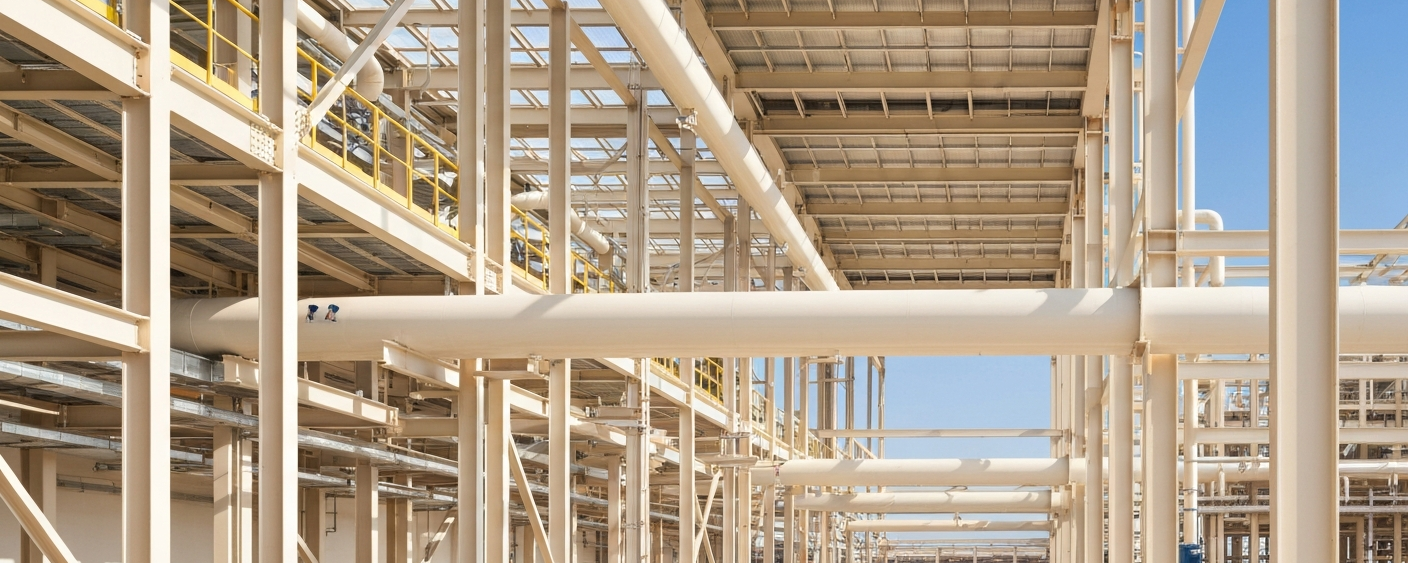
A cobalt refinery uses hydrometallurgical processing—wet chemical methods to extract metal from concentrate. The piping systems carry caustic and acidic solutions. Materials must be chosen carefully, and sequences must be precise. A design flaw in the leaching or solvent extraction stages can force expensive rebuilds or force the facility to sit idle while fixes are made.
The Battery Materials Gap in North America
The geopolitical context matters here. North American and European automakers face pressure to move away from Asian supply chains for batteries. The U.S. Inflation Reduction Act ties electric vehicle tax credits to requirements that a portion of battery minerals be processed or sourced in North America. This creates genuine demand for Western refining capacity in cobalt, lithium, nickel, and manganese.
Companies building such capacity—even while under construction—potentially become suppliers for battery makers trying to localize their chains. Offtake agreements, or purchase commitments, can sometimes be negotiated before a facility is fully operational if execution risks look acceptable. The buyer wants assurance the facility will work; the builder wants a committed customer.
For small-cap investors, this means value isn’t determined by current production—which is zero during construction—but by the credibility of the engineering team, the realism of the budget, and whether the company has orders or serious buyer interest.
What the Construction Phase Means for Investors
A construction contract is not a guarantee that a project will succeed. It means certain conditions have been met: the company raised capital, obtained permits, and finalized engineering. But it opens new doors for things to go wrong. Costs can escalate. Equipment delivery dates slip. Financing can falter before the job is done.
Investors looking at these projects need to dig past the announcement itself. What is the funding situation? Are there offtake partners signed, or at least serious interest from battery makers? Which engineering firms are involved, and do they have track records in similar facilities? These details separate a real project from a promotional story.
Downstream battery metals projects are uncommon among small-cap companies because they demand substantial capital and technical depth. For investors studying how battery supply chains actually work, these moments—when a company moves into construction—are worth close attention.
Key Terms
- Downstream Project
- A project that processes or refines extracted materials rather than mining them. A cobalt refinery that converts concentrate into battery-grade sulfate is a downstream operation.
- SMP Contract
- Structural, Mechanical & Piping contract. A standard construction package covering steel framework, equipment installation, and piping systems in industrial facilities.
- Hydrometallurgy
- Extraction of metals from ores or concentrates using aqueous chemical processes. Cobalt refining typically uses leaching and solvent extraction.
- Offtake Agreement
- A contract in which a buyer commits to purchase a defined quantity of product at agreed terms. These help fund projects by providing revenue certainty.
- Inflation Reduction Act
- Enacted in 2022, this U.S. law ties electric vehicle tax credits to sourcing and processing requirements for battery minerals, creating structural demand for North American refining capacity.
- Cost Overrun
- Actual construction costs exceeding the budget. Common in industrial projects and a material risk for investors in development-stage companies.
- Battery Supply Chain
- The sequence of steps from mineral exploration, mining, processing, and refining through to cell manufacturing and end-of-life recycling.
⚠️ Important notice: This article is for informational and educational purposes only. It does not constitute investment advice, a recommendation, or a solicitation to buy or sell any security. Investments in small-cap exploration and mining companies carry a high risk, including the potential total loss of capital. Before making any investment decision, consult a registered financial advisor and conduct your own analysis. Boersen Post Team is not responsible for decisions taken based on the content published here.