NI 43-101: When a Lithium Project Becomes Capital-Market Ready
June 8, 2026
From Planning to Construction: Cobalt Refineries and Their Supply Chain
June 8, 2026
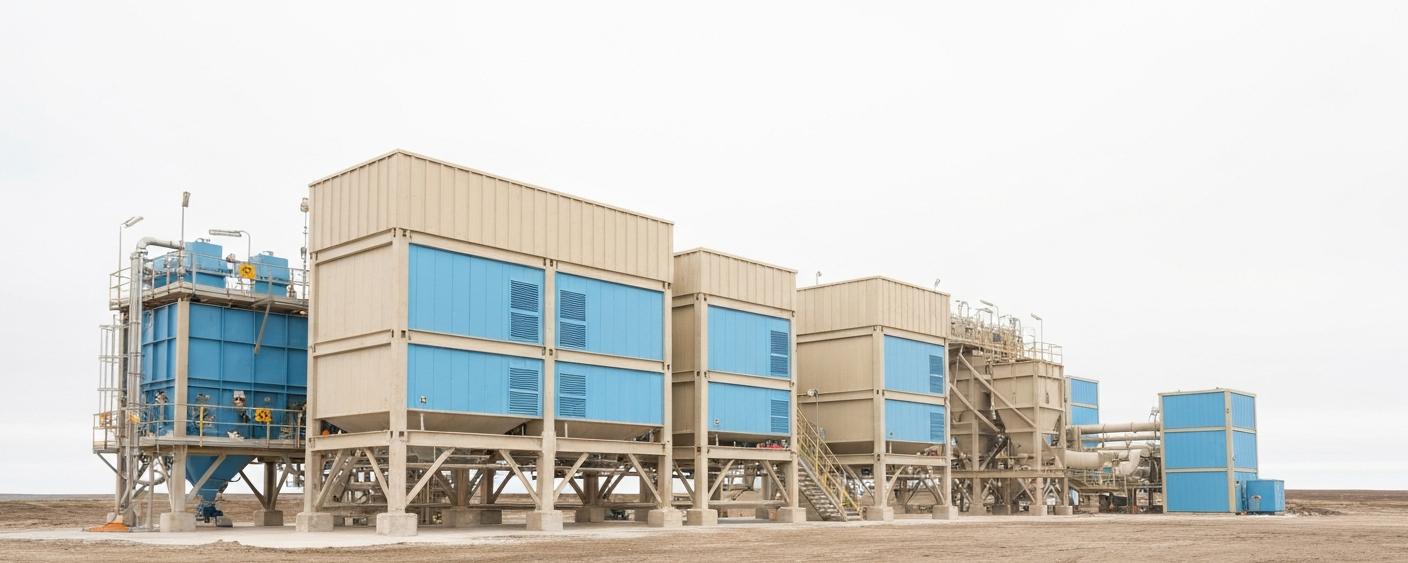
The longest mile: between paper and excavator
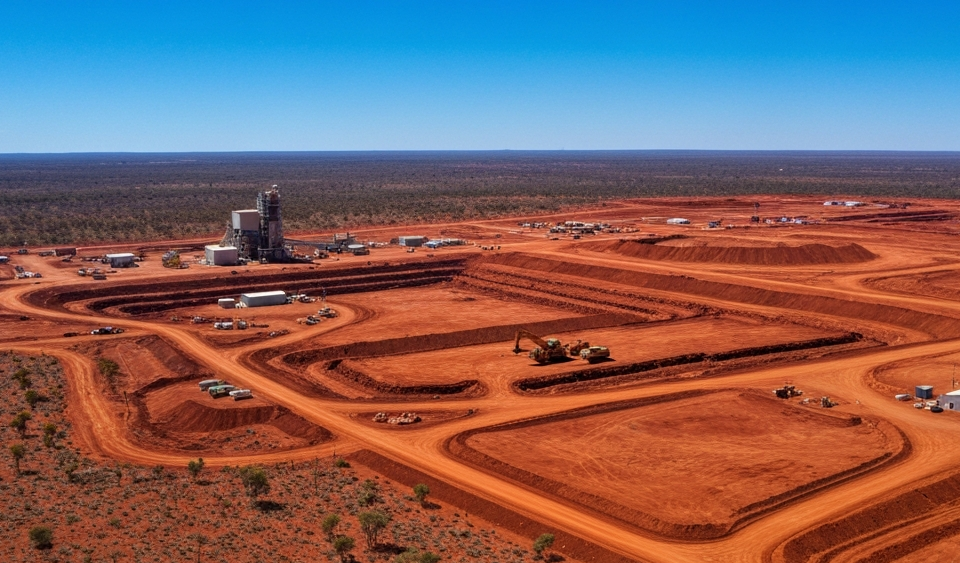
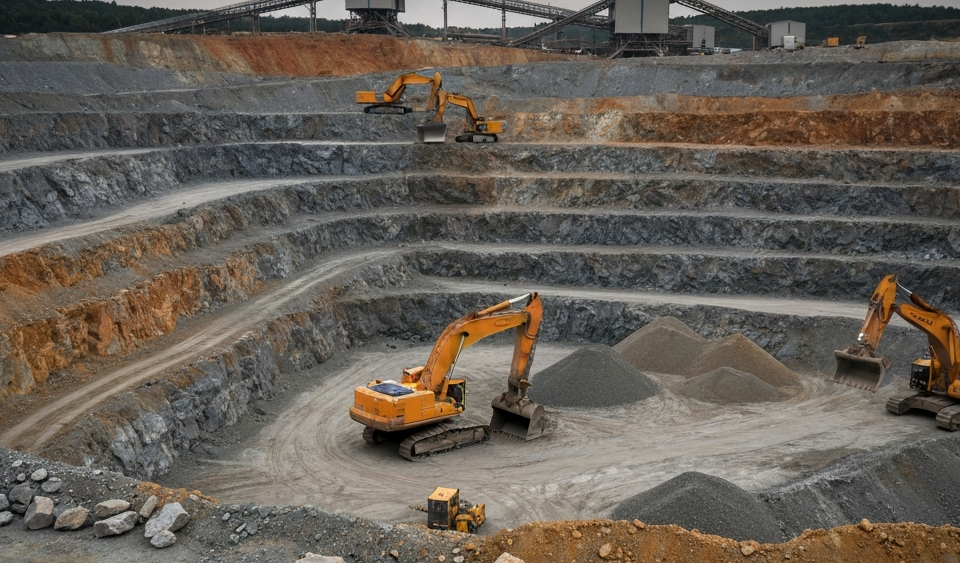
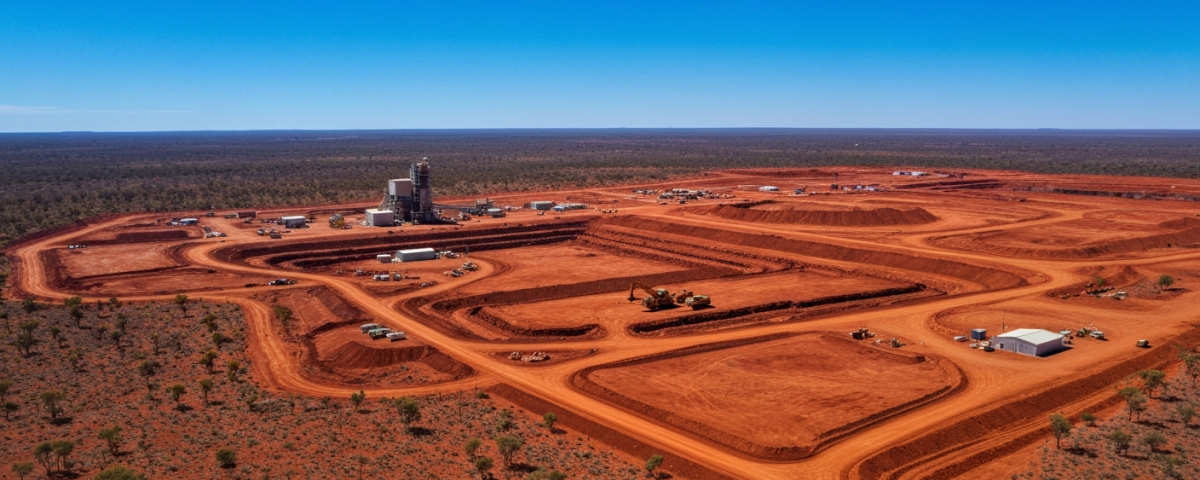
In commodities projects, one moment separates everything that came before from everything that follows: the day a company drives a shovel into the ground and starts building a mine. What outsiders see as a single step is actually the payoff of years, sometimes decades, of technical, regulatory, and financial work. For multi-commodity projects—ventures extracting several raw materials from one deposit at once—this journey is harder still.
A project producing cobalt, gold, and bismuth simultaneously shows just how complex the jump from exploration to production can be. For investors evaluating junior miners, understanding each stage matters before deciding whether a developer is actually on track.
Multi-commodity projects: a double-edged sword
Multiple metals sound good in theory. If cobalt prices sink, gold holds up the economics. If gold weakens, bismuth carries weight. That’s what engineers call natural hedging. But complexity costs money.
At the feasibility study stage, engineers must prove that each metal can be separated, processed, and sold separately. Cobalt processing looks nothing like gold or bismuth extraction. Every additional separation stage burns more capital, raises operating costs, and tangles the permitting process. A single-metal gold project needs one production pathway. A multi-metal plant must run several lines in parallel.
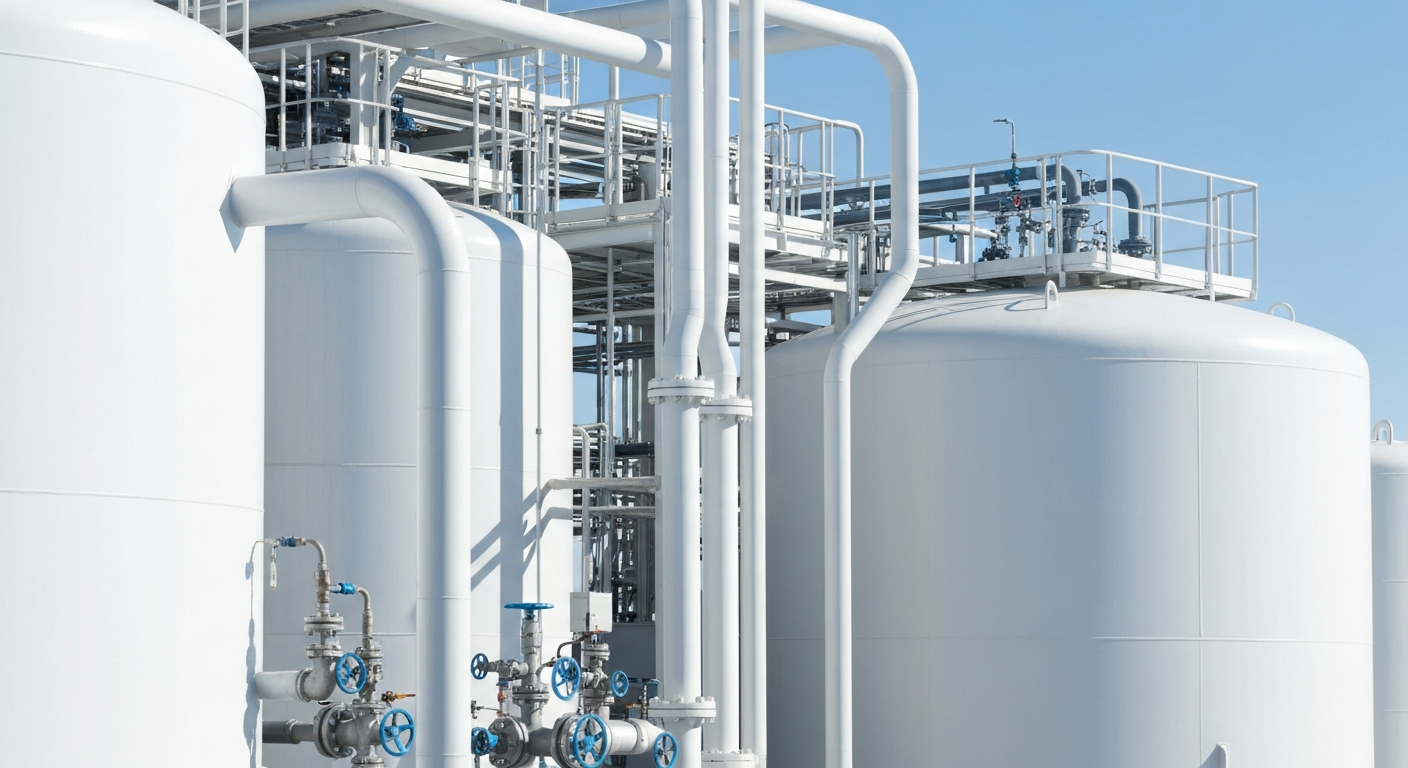
A processing plant for multiple metals works like a kitchen that bakes bread, makes chocolate, and ages cheese under one roof with one staff. Possible, but it demands tight logistics, clear procedures, and far more startup cash than any single operation would need.
The feasibility study as the key to capital
New investors often mix up the study phases that run through a commodities project. It helps to separate them clearly:
| Study phase | Cost accuracy | Typical purpose |
|---|---|---|
| Scoping study / PEA | ±35–50% | Initial economic assessment |
| Pre-feasibility study (PFS) | ±25% | Decision on further investment |
| Feasibility study (FS) | ±15% | Basis for project financing and construction permit |
Only a complete feasibility study lets banks and institutional investors make sound decisions. The study states how much capital builds the mine (CAPEX), what it costs to run annually (OPEX), and when returns cover the investment. As commodity prices, technology, or regulation change, a study update can flip the picture up or down.
That matters now more than ever. Cobalt prices track battery demand closely. Battery chemistries keep shifting, and some makers are cutting cobalt content. That means price assumptions in a study carry more risk than a decade ago. An updated study must address these shifts to hold any credibility.
Permits, capital, and the pressure of market timing
A positive feasibility study opens only two doors. Behind them lie the permitting process and capital raising.
Mining permits in countries like Canada involve environmental impact work, talks with indigenous groups, and federal and provincial reviews. The timeline often stretches years, and delays are common. A late permit eats into project returns because costs mount while the mine sits idle.
Capital is the second wall. Building a mine costs hundreds of millions of dollars, more than a junior can raise alone. Developers piece funding together from equity offerings, project bonds, streaming deals, or offtake contracts with processors who pay upfront for delivery rights. Each option trades off shareholder value differently.
Here sits the core trap for small miners: higher capital needs mean giving away more future cash, either through dilution of share ownership or through deals that hand value to lenders. An investor entering at this stage must weigh what returns are left after all these clawbacks.
What the transition to construction means for valuation
Before construction, a project trades on its resources and study results. Investors bet on potential. Once construction starts, the focus shifts. Progress reports, schedule adherence, and actual costs versus estimates become the scoreboard.
Mining construction delays are standard. Cost overruns of 20 to 30 percent from the original estimate happen routinely. Multi-metal projects with complex processing plants carry extra risk here. That does not make them bad bets, but it demands sober analysis.
Timing in the commodity cycle matters too. A project that breaks ground during strong cobalt prices looks different from one stuck in construction when prices dip. The sensitivity analysis in the feasibility study—how project returns change across various price levels—becomes essential reading for any serious investor.
Reading milestones, assessing risks
Following junior miners with multi-metal projects requires learning to spot key turning points. An updated feasibility study is one, but just one block in a long chain. What happens next is what counts: Do regulators grant permits? Does capital raise at reasonable terms? Does the schedule hold?
The sector rewards patience, but only when fundamentals stack up. Bismuth finds new uses in electronics and drugs. Cobalt remains core to some battery types, despite lower use in newer chemistries. Gold steadies returns when other prices slip. These three together can work—if operating costs stay low and the processing plant works as designed.
New investors should know this: the period between the feasibility study and construction start is usually when most information surfaces and investors can do their best analysis. Anyone who reads the documents, understands what CAPEX and OPEX mean, and can read a sensitivity analysis has a real edge in spotting both real opportunity and genuine risk.
Key terms at a glance
- Feasibility study (FS)
- A comprehensive technical and economic study of a mining project’s costs, revenues, and risks, with cost accuracy around ±15%. Banks need this before lending money.
- CAPEX (capital expenditure)
- Money spent to build the facility, from day one until the first ore is mined. For junior developers, CAPEX overruns are a central risk.
- OPEX (operating expenditure)
- Costs to run the mine per unit of output. The lower the OPEX compared to metal prices, the better the profit margin.
- Multi-commodity project
- A mine extracting several different metals from the same deposit. This spreads revenue risk but adds technical and regulatory work.
- Offtake contract
- A deal between the project owner and a buyer (refinery, manufacturer, etc.) to purchase production at set terms. Often used as collateral for project loans.
- Sensitivity analysis
- Part of the feasibility study showing how returns change when commodity prices, exchange rates, or operating costs shift. Essential for risk assessment.
- Dilution
- When a company issues new shares to raise money, existing shareholders own a smaller percentage. In capital-heavy construction projects, this is a serious threat to returns.
- Bismuth
- A heavy metal used in electronics, pharmaceuticals, and as a lead-free additive. Often a byproduct that improves the overall value of multi-metal mines.
⚠️ Important notice: This article is for informational and educational purposes only. It does not constitute investment advice, a recommendation, or a solicitation to buy or sell any security. Investments in small-cap exploration and mining companies carry a high risk, including the potential total loss of capital. Before making any investment decision, consult a registered financial advisor and conduct your own analysis. Boersen Post Team is not responsible for decisions taken based on the content published here.