Flow-Through Shares: How Lithium Juniors Raise Capital
June 8, 2026
Scandium: Niche Metal Between High-Tech Demand and ASX Opportunities
June 8, 2026
When the raw material is right on your doorstep — and still barely developed
Lithium is the critical battery metal for the energy transition. Without it, there are no electric vehicle batteries or smartphone cells. Yet when you ask where lithium for European manufacturers comes from, the answer is South America, Australia, and Chinese processing plants. European deposits remain largely unknown to the public, even though they are substantial.
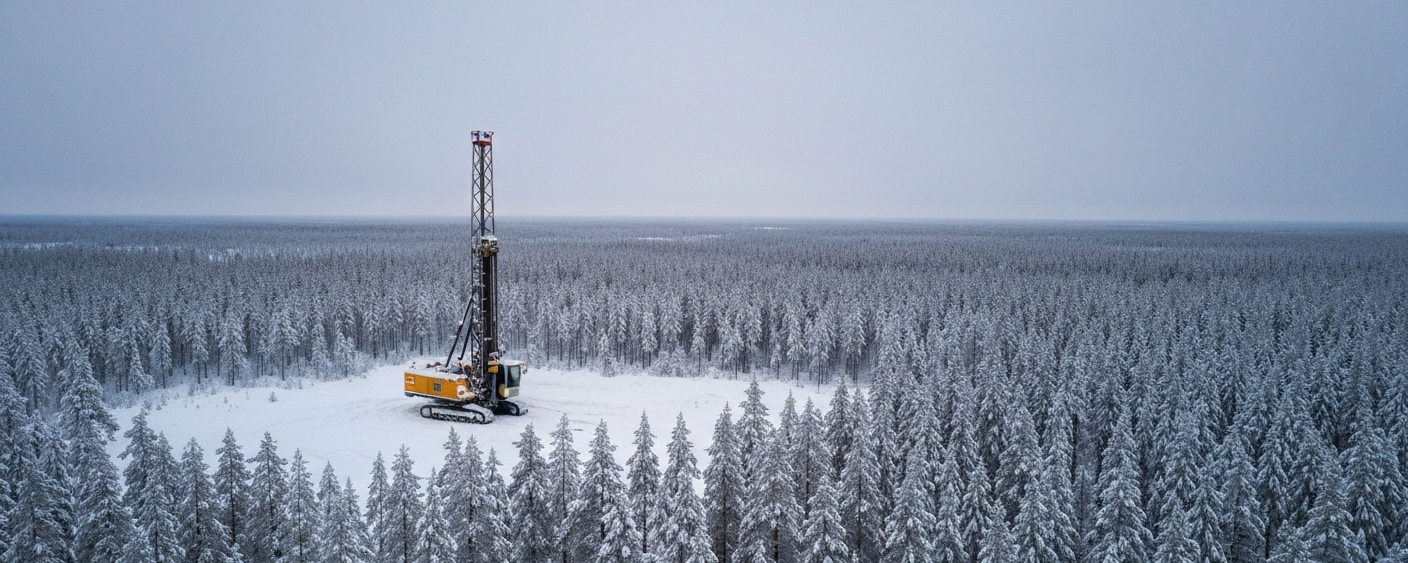
Junior explorers are now focusing on the geologically rich shield regions of northern Europe, particularly Finland and its Scandinavian neighbors. Initial drilling programs at barely explored targets signal the start of an exploration phase with specific implications for small-cap investors. The reason is not potential short-term share gains, but rather the regulatory and industrial environment taking shape: the EU’s push for domestic raw material supply is starting to affect capital allocation and project financing in measurable ways.
Europe’s geological heritage and the LCT pegmatite world
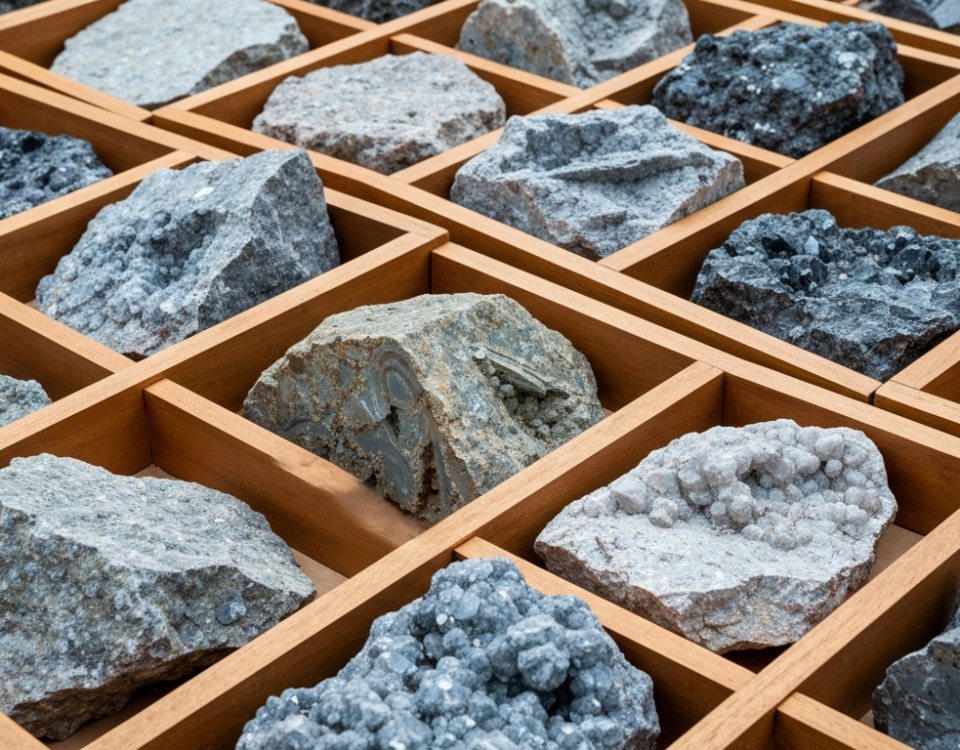
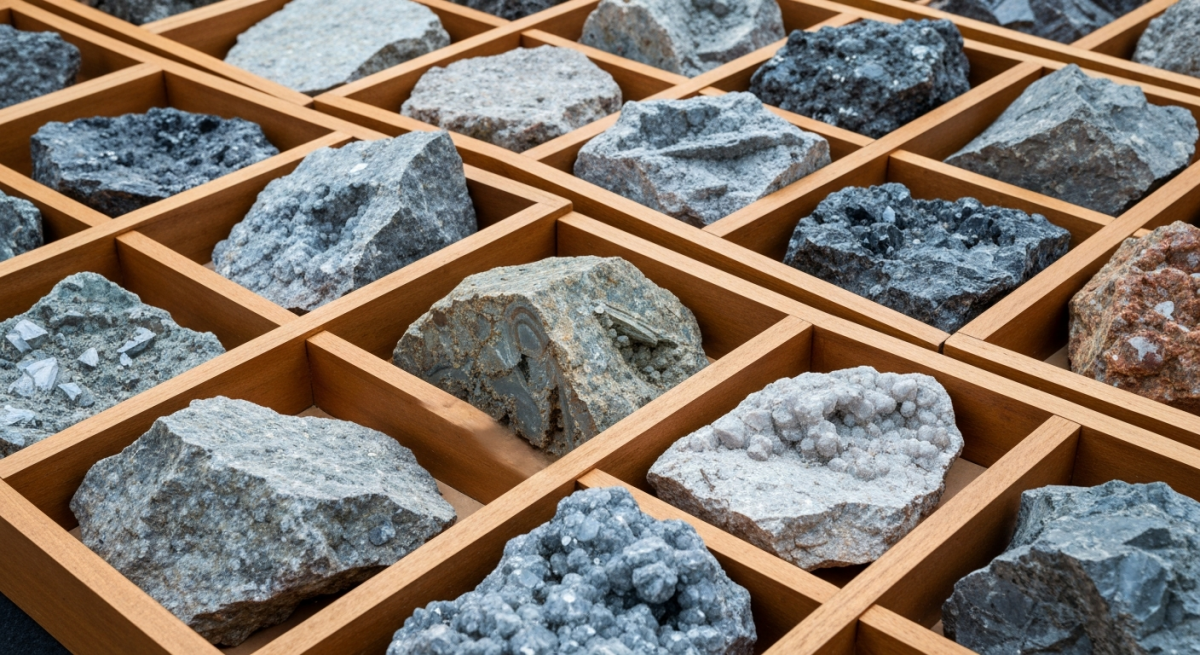
Finland is part of the Baltic Shield, one of the oldest and geologically most stable crustal blocks on Earth. These Precambrian rocks frequently host what are known as LCT pegmatites — an acronym for Lithium-Cesium-Tantalum. These igneous vein rocks form when magma cools very slowly, concentrating certain elements. LCT pegmatites are the world’s most important primary source of hard-rock lithium, which occurs as spodumene or lepidolite minerals.
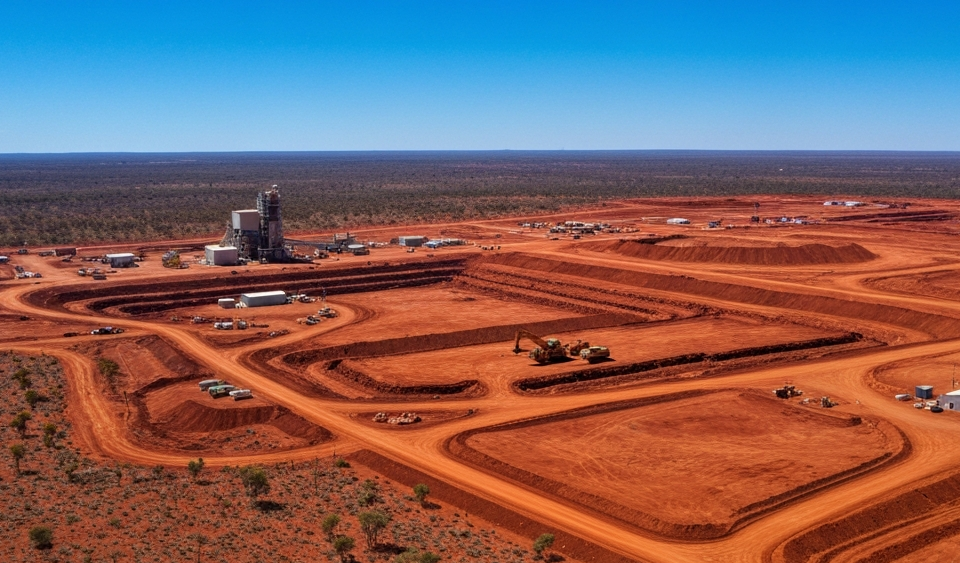
The “Lithium Triangle” in South America (Chile, Argentina, Bolivia) supplies lithium from salt lakes, or salars, which is an entirely different geological and processing environment. Scandinavian projects therefore do not directly compete with the salar model, but rather with Australian hard-rock projects like those in the Pilbara Basin. The key difference lies in geography: central Finland is several thousand kilometers closer to the European battery cell factories currently being built in Germany, Sweden, and Poland.
Why European lithium is gaining attention
Several factors are driving the growing interest in Scandinavian exploration. The European Union has classified lithium as a critical raw material and set a binding target under the Critical Raw Materials Act: by 2030, at least ten percent of EU demand should come from domestic production. This regulation is not symbolic. For junior explorers, it translates into streamlined permitting, government funding programs, and political support—reducing a major early-stage risk: permitting uncertainty.
Supply chain economics also matter. Automakers and battery producers face pressure to nearshore their sources. A lithium concentrate mined in Finland and processed in northern Germany carries a smaller CO₂ footprint than material shipped from Western Australia. Where ESG criteria influence industrial purchasing decisions, geographic proximity becomes a measurable advantage.
Capital market access plays a practical role as well. European funds and family offices tend to favor projects on European soil for regulatory, tax, and reputational reasons. A junior explorer listed on the TSX-V but developing a Finnish project can draw from both North American and European investors, reducing dependence on a single capital market.
| Characteristic | Salar Lithium (South America) | Hard-Rock Lithium (Scandinavia) |
|---|---|---|
| Geological type | Salt lake brine | LCT pegmatite |
| Primary product | Lithium carbonate (Li₂CO₃) | Lithium hydroxide (LiOH) |
| Processing route | Evaporation / chemical | Flotation / roasting |
| Proximity to EU gigafactories | Very distant | Short transport routes |
| Political environment | Variable | Stable, EU-regulated |
What early-stage drill results really tell you — and what they don’t
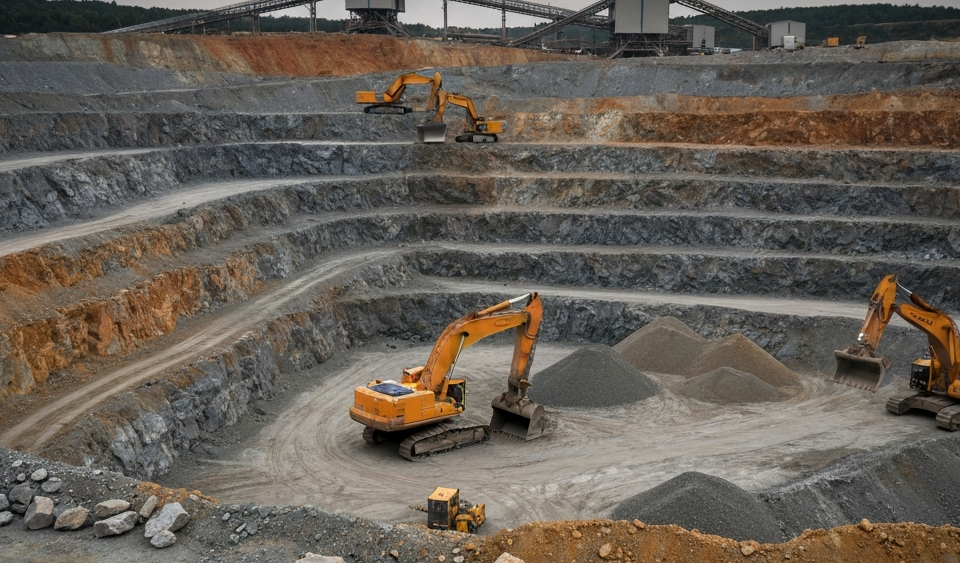
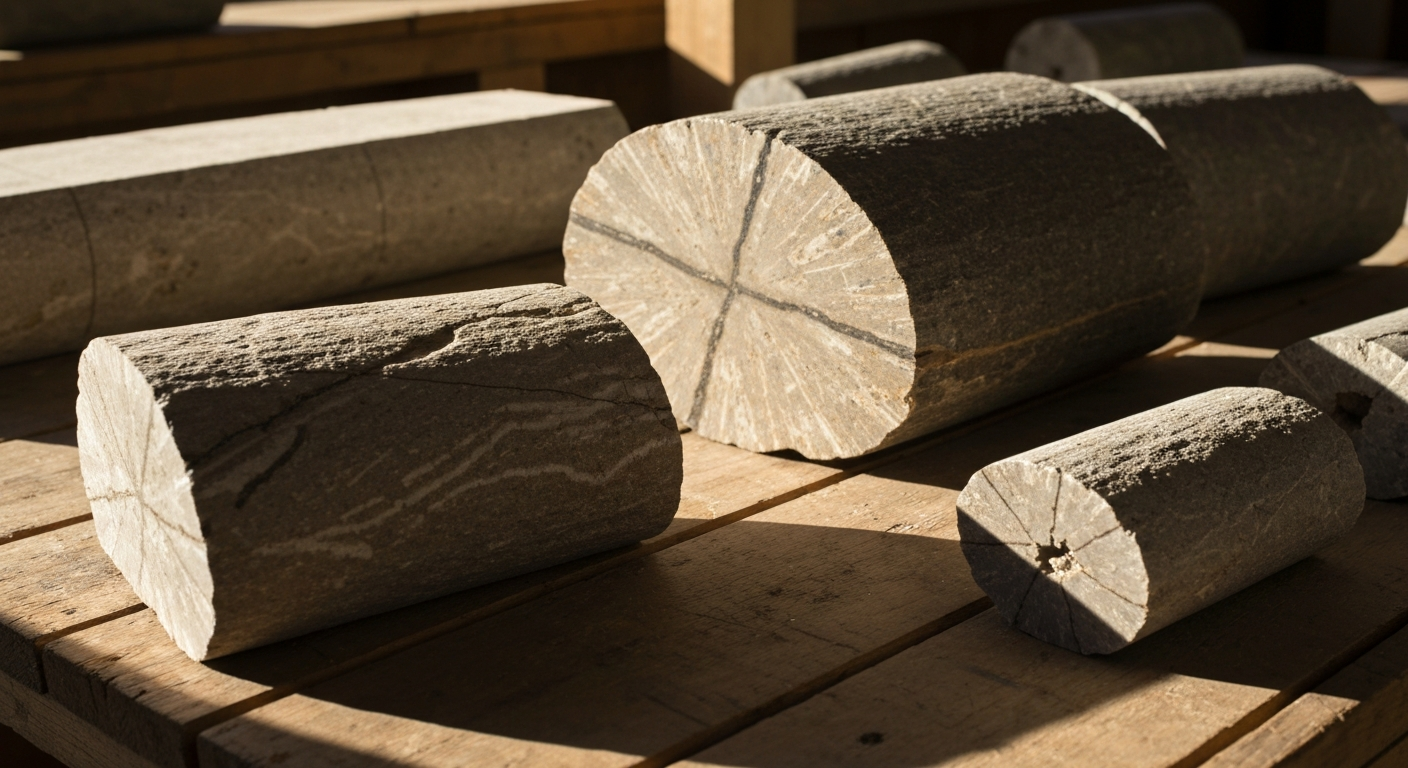
Maiden drilling programs are exploration work in the literal sense. If you picture the earth as a three-dimensional puzzle, the first drill holes provide individual pieces of information. A typical initial program with two to three thousand meters of core drilling across several target areas allows geologists to constrain the strike length and thickness of a pegmatitic body. It provides samples for geochemical analysis and helps clarify the spatial orientation of mineralization.
A maiden program does not deliver a certified resource estimate. Under the Canadian standard NI 43-101, a qualified person and sufficient data density are required before even an “Inferred Resource” (the lowest resource category) can be reported. Until that threshold is reached, all published drill results are geological data, not quantity statements about economically exploitable deposits.
Investors unfamiliar with this distinction often misinterpret drill announcements. A press release reporting “promising lithium grades in multiple drill holes” sounds encouraging, but without information about thickness, continuity, and comparison with similar projects, the economic value is hard to assess. Reference values come only from published technical reports prepared under a recognized standard.
Jurisdiction as a valuation factor
The European lithium trend illustrates a broader principle for small-cap investors: where a project is located is not a secondary concern, but a central valuation criterion. A project with moderate grades in a stable, mining-friendly country can be structurally superior to a high-grade project in a politically unstable environment, simply because of planning certainty and financeability.
Scandinavia, and Finland especially, is what industry participants call a Tier-1 jurisdiction: functioning legal systems, experienced mining authorities, established infrastructure. These factors reduce the “political risk premium” that investors apply for regulatory uncertainty. Projects in such countries are easier to finance, even if grades do not match Australian flagship projects on first glance.
When reading exploration news, ask where the project is located, what stage it is at, and which resource standard applies. These questions yield more analytical insight than any short-term share price movement.
- LCT Pegmatite
- An igneous vein rock formed by the slow cooling of magma, which concentrates the elements lithium (L), cesium (C), and tantalum (T). The most important primary lithium source in hard-rock mining.
- Maiden Drilling / Initial Drilling Program
- The very first systematic drilling program at an exploration area. Used for initial geological logging, but does not yet yield a certified resource estimate.
- NI 43-101
- Canadian regulatory standard for public disclosure of mineral projects. Requires that resource and reserve estimates be prepared and certified by a qualified person (QP).
- Inferred Resource
- The lowest resource category under NI 43-101. Based on limited data density; geological continuity is implied but not sufficiently confirmed. Not to be confused with a reserve.
- Qualified Person (QP)
- A technical expert (geologist or engineer) accredited under NI 43-101 who is professionally responsible for and signs off on resource estimates and technical reports.
- Critical Raw Materials Act (CRMA)
- EU regulation enacted in 2024 that defines strategic raw materials — including lithium — and sets targets for domestic extraction, processing, and recycling by 2030.
- Tier-1 Jurisdiction
- A political and legal environment considered particularly stable and mining-friendly. Canada, Australia, and Finland are examples. Projects in Tier-1 jurisdictions carry lower perceived regulatory risk.
- Nearshoring
- A strategy by industrial companies to bring suppliers geographically closer in order to reduce transport routes, dependencies, and supply risks. Increasingly relevant for European battery manufacturers.
⚠️ Important notice: This article is for informational and educational purposes only. It does not constitute investment advice, a recommendation, or a solicitation to buy or sell any security. Investments in small-cap exploration and mining companies carry a high risk, including the potential total loss of capital. Before making any investment decision, consult a registered financial advisor and conduct your own analysis. Boersen Post Team is not responsible for decisions taken based on the content published here.