Vanadium & Titanium: When Iron Ore Becomes a Semiconductor Raw Material
June 8, 2026
Ministerial Visits as Market Signals: What Government Proximity Means for Commodity Projects
June 8, 2026

The Invisible Metal Inside the Chip
When people think about semiconductors, they think first of silicon, germanium, or rare earths. Titanium rarely comes to mind, yet it is present in nearly every modern chip. In semiconductor manufacturing, titanium serves two key functions: as the material for sputter targets, which deposit thin metallic layers onto silicon wafers, and as a reactive component in etching processes that carve microscopic structures into the substrate. Without titanium, there are no conductive traces, no barrier layers, and no functioning transistors in today’s chip generation.
This dual role makes titanium one of the most overlooked critical raw materials. The Western semiconductor industry—from the United States through Europe to Japan—sources a large share of its high-purity titanium and titanium compounds from Asian supply chains dominated by China, Japan, and South Korea. This geographic concentration is bringing North American exploration projects with titanium potential into focus for strategically oriented investors and industry planners.
Supply Chains Under Pressure: Why Titanium Is Becoming Geopolitical
The term “critical raw material” gets applied loosely these days. Titanium, however, genuinely meets the criteria that governments and industry use. Approximately 90% of globally produced titanium dioxide pigments come from a handful of countries, and the purity grades needed for electronics are traded in an even tighter market. The United States and the EU have both placed titanium on their respective critical materials lists.
When geopolitical tensions disrupt these supply chains—through export restrictions, tariffs, or sanctions—chip fabrication plants in Phoenix, Dresden, or Osaka face real supply problems. The purity grades relevant to the electronics industry are traded in a particularly concentrated market.
North American junior explorers are positioning themselves to address this supply gap. Projects in Canada and the United States benefit from regulatory stability, existing mining infrastructure, and political alignment with Western reshoring efforts. Several Canadian juniors are expanding 2026 exploration programs targeting high-grade titanium and previously untested electromagnetic anomalies within their North American properties. These programs show how the market is responding to supply chain risks.

From EM Anomaly to Drill Target: The Exploration Mechanics
How does a junior explorer locate a potential titanium deposit? The process follows a standard sequence in the exploration industry.
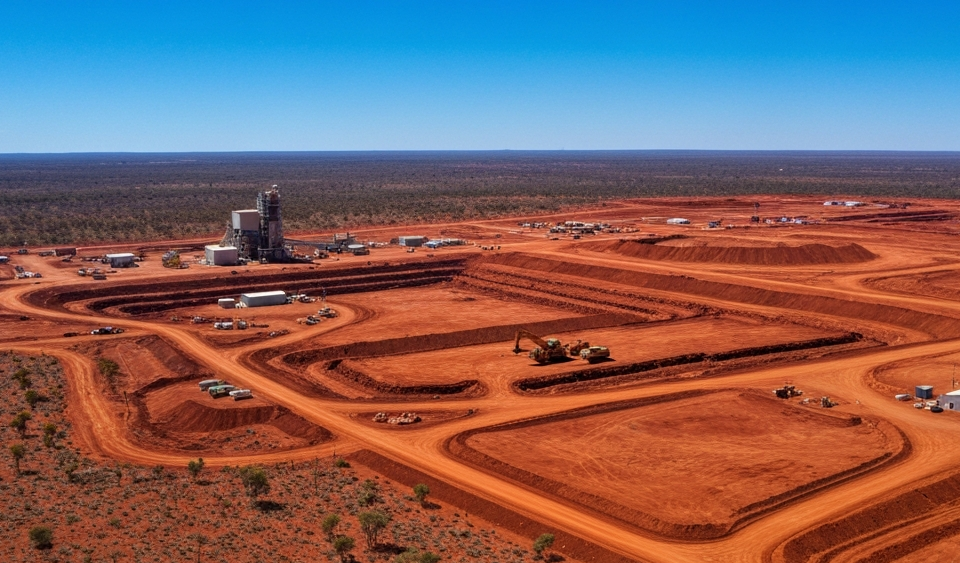
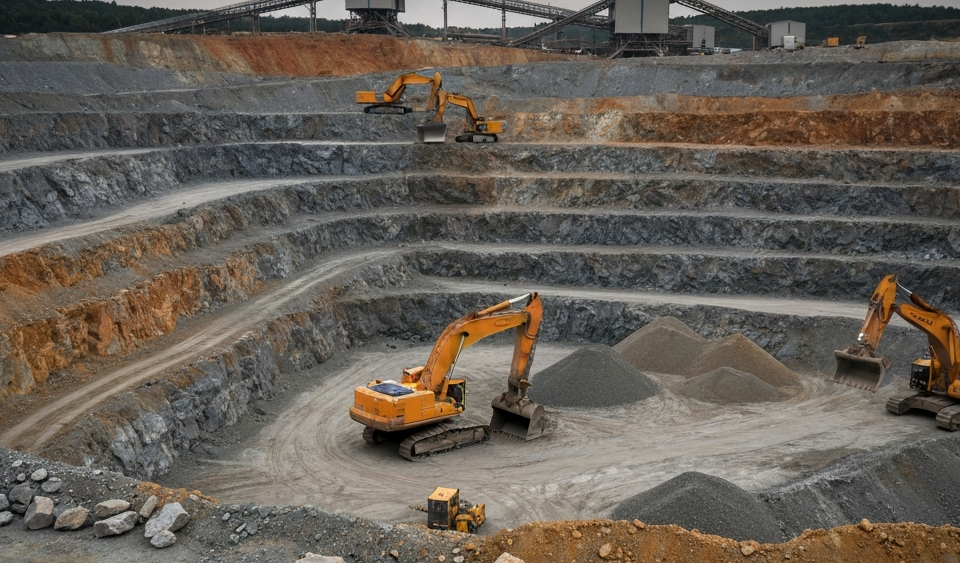
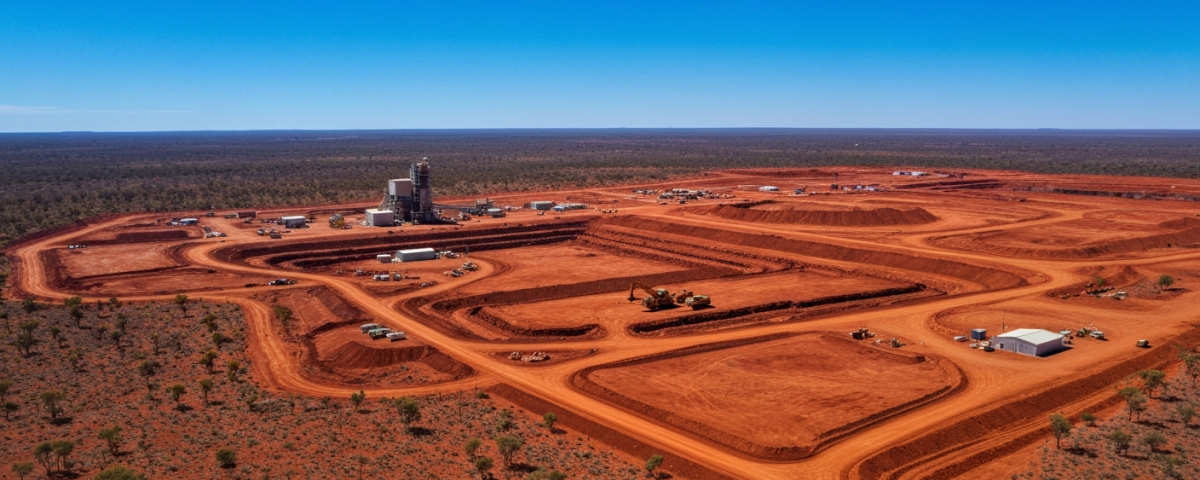
First, the terrain is surveyed using geophysical methods, including electromagnetic surveys (EM). This technique measures variations in the electrical conductivity of the subsurface. Titaniferous iron ore deposits containing ilmenite or magnetite produce characteristic EM signatures. Once such an anomaly is identified, it becomes a drill target: a core is drilled, analyzed in a laboratory (assay), and only then does it become clear whether the geophysical signature corresponds to an economically interesting mineralized body.
This multi-stage approach explains why exploration programs take time and why each drilling campaign answers only part of the open questions. An untested EM anomaly is like an unopened letter: the sender sounds promising, but the contents remain unknown until you read it. The structural risk is real, but this early stage is where the greatest information gaps exist, and where markets often price in significant uncertainty.
| Exploration Phase | Method | Outcome |
|---|---|---|
| Area Prospecting | Satellite imagery, historical data | Identification of anomaly zones |
| Geophysical Surveys | Electromagnetics (EM), magnetics | Definition of specific drill targets |
| Reconnaissance Drilling | Core drilling + assay | First confirmation of mineralization |
| Resource Definition | Infill drilling, NI 43-101 report | Inferred / Indicated Resources |
An important note for investors following Canadian projects: the NI 43-101 standard draws a strict distinction between Resources (geological estimates in the categories Inferred, Indicated, and Measured) and Reserves (economically extractable in the categories Proven and Probable). These terms are not synonyms. A project may hold substantial Resources without those ever becoming mineable Reserves.
What This Dynamic Means for Small-Cap Investors
The connection between titanium and semiconductor manufacturing creates a demand narrative that extends well beyond short-term commodity cycles. Titanium differs structurally from purely cyclical metals such as copper or nickel, whose prices track construction activity and industrial output.
For the small-cap space, this means titanium projects in politically stable jurisdictions like Canada can command investor attention when the market perceives supply risk as real. This advantage, however, is neither automatic nor permanent. It depends on the metallurgical quality of the deposit, progress within the exploration program, and broader market sentiment toward critical raw materials.
Consider a small bakery in a major city that is the only one in the region with access to a rare type of flour essential for a trending pastry. As long as demand holds and no alternative emerges, that bakery has structural negotiating power—regardless of whether it has sold a single roll. The same logic applies to junior explorers with strategically relevant raw materials in the ground.
The caveat remains important: between discovering an anomaly and opening a producing mine lie years of work, substantial capital, and numerous regulatory hurdles. An exploration project is not valued on the current titanium price, but on the probability that it will ever realize that price. This distinction matters far more than most investors recognize.
Titanium, Technology, and the New Strategic Resource Thinking
The debate around critical raw materials has shifted how governments, institutions, and industry think about supply security. It is no longer purely a trade policy issue, but increasingly a matter of national security. Titanium is a prime example: invisible in public discourse, yet foundational to modern electronics.
For investors in the small-cap exploration market, this creates a new analytical framework. It is increasingly not the size of a project that determines capital flows, but its strategic positioning within critical supply chains. North American titanium projects with geophysically defined targets and a clear metallurgical pathway toward semiconductor applications fit this model exactly, with all the opportunities and uncertainties that early-stage exploration entails.
Key Terms at a Glance
- Sputter Target
- A material used in semiconductor manufacturing that is vaporized by ion bombardment to deposit ultra-thin layers onto silicon wafers. Titanium sputter targets are used for barrier and adhesion layers.
- Electromagnetic Survey (EM)
- A geophysical method for measuring conductivity differences in the subsurface. Used to locate ore deposits with characteristic electrical properties before any drilling takes place.
- NI 43-101
- The Canadian regulatory standard for the disclosure of mineral resources and reserves. It governs how geological data may be classified and publicly reported—the defining standard for Canadian junior explorers.
- Inferred Resources
- The lowest confidence category for mineral resources under NI 43-101. Based on limited geological data; economic extractability has not yet been demonstrated.
- Ilmenite
- A titanium-iron oxide mineral (FeTiO₃) and the most common commercial titanium ore. The primary feedstock for titanium dioxide (TiO₂) and titanium metal; purity grade determines its suitability for use in the electronics industry.
- Critical Raw Material
- An officially defined category in both the EU and the United States for materials that are economically indispensable and simultaneously subject to supply risk. Titanium appears on both lists due to its concentration among a small number of supplier countries.
- Metallurgical Pathway
- The sequence of processing steps required to transform an ore into a marketable end product. For titanium destined for semiconductor applications, extremely high purity levels are required, making the metallurgical pathway complex.
⚠️ Important notice: This article is for informational and educational purposes only. It does not constitute investment advice, a recommendation, or a solicitation to buy or sell any security. Investments in small-cap exploration and mining companies carry a high risk, including the potential total loss of capital. Before making any investment decision, consult a registered financial advisor and conduct your own analysis. Boersen Post Team is not responsible for decisions taken based on the content published here.